
Plan a raised garden bed layout by keeping individual beds 3-4 feet wide (for comfortable reach from either side), leaving 18-24 inch paths between beds for foot traffic and wheelbarrow access, and orienting rows north-to-south for even sun exposure. Group beds by water needs, place taller crops where they won't shade shorter ones, and plan for at least one wider main path if you'll need to move a cart or wheelbarrow through the garden regularly.
What you will need
Determine Bed Width for Comfortable Access

Keep individual bed width to 3-4 feet if accessible from both sides, which allows most adults to comfortably reach the center from either edge without needing to step onto and compact the growing soil.
For beds against a wall, fence, or other barrier accessible from only one side, reduce width to 2-3 feet, since you'll only be able to reach in from a single direction.
Wider beds may seem appealing for maximizing growing area, but they consistently create maintenance headaches, forcing awkward reaching, kneeling on soil, or the use of stepping boards that compact growing space anyway.
Bed length is far more flexible than width, since it doesn't affect your ability to reach plants; common lengths range from 4-8 feet, limited mainly by available space and material considerations rather than any ergonomic constraint.
If you're building multiple beds, standardizing on one or two width dimensions (even if lengths vary) simplifies future material purchases and makes the overall layout feel more visually cohesive.
Plan Adequate Path Width

Leave at least 18-24 inches between beds for standard foot traffic paths, which accommodates comfortable walking and kneeling access without feeling cramped during regular garden maintenance.
Plan at least one wider main path, 36 inches or more, if you'll need to move a wheelbarrow or garden cart through the space regularly for hauling compost, mulch, or harvested produce.
Consider mobility needs specifically if you or anyone using the garden has physical limitations; wider paths (30+ inches throughout) genuinely improve accessibility for wheelchairs, walkers, or simply more comfortable movement.
Mulch or gravel paths between beds both look tidier and reduce mud and weed growth compared to bare dirt paths, worth the modest additional effort and cost for a garden you'll be using regularly for years.
Avoid the temptation to minimize path width purely to maximize growing area, since cramped paths make every gardening task more tedious and can discourage regular maintenance over time.
Orient Beds for Optimal Sun Exposure

In the northern hemisphere, orient rows and beds running north-to-south when practical, which allows sunlight to reach both sides of taller plants and beds more evenly throughout the day compared to east-west orientation.
East-west oriented beds often develop an uneven sun pattern, where one side receives consistently more light than the other, particularly problematic for beds growing multiple different crops with varying height and light needs.
If your available space doesn't allow ideal north-south orientation due to existing structures, fences, or lot shape, prioritize maximizing overall sun exposure hours over strict adherence to orientation, since total light matters more than the specific compass direction.
Position your tallest crops and beds on the north side of the overall garden layout, which prevents them from casting shade over shorter, sun-loving plants positioned further south.
Use a simple compass app on your phone if you're uncertain about your yard's exact orientation, taking a few minutes to confirm before finalizing bed placement rather than guessing.
Group Beds by Water and Sun Needs

Position beds with similar water needs near each other, particularly valuable if you're using drip irrigation or soaker hoses on separate zones, since grouped beds can run on the same watering schedule without over- or under-watering any particular plants.
Place beds intended for full-sun crops like tomatoes and peppers in your garden's brightest, most consistently sunny area, reserving any partially shaded spots for leafy greens or herbs that tolerate reduced light.
Consider grouping beds by harvest frequency as well; place beds with crops you'll pick almost daily (like herbs, lettuce, or cherry tomatoes) closer to your house or main access point, saving longer walks for less frequently harvested crops.
If your layout includes both annual vegetable beds and any perennial plantings like asparagus or berries, position perennials where they won't need to be disturbed by your regular annual crop rotation plans.
Leave a small amount of flexibility in your zoning for future adjustments, since your understanding of your specific yard's microclimates will likely improve after a season or two of direct observation.
Plan for Different Yard Sizes and Shapes

For small yards, consider a single larger bed or two modest beds arranged along a fence line or property edge, maximizing growing area while leaving the remaining yard open for other uses.
For larger yards, a grid layout of multiple standardized beds with consistent path widths creates an organized, efficient system that's easy to expand incrementally as your gardening ambitions grow over time.
For irregularly shaped yards, don't force a rigid grid if it doesn't fit naturally; L-shaped, curved, or staggered bed arrangements can make better use of unusual lot shapes while still following the core width and path principles.
Corner lots or yards with significant shade from trees or structures may benefit from a scattered rather than clustered bed arrangement, placing individual beds wherever sun conditions are actually best rather than insisting on a single unified garden area.
Sketch your layout on paper or in a simple garden planning app before building anything, testing a few different configurations to see which best balances growing area, path access, and your yard's specific sun and shade patterns.
Build In Room for Future Expansion
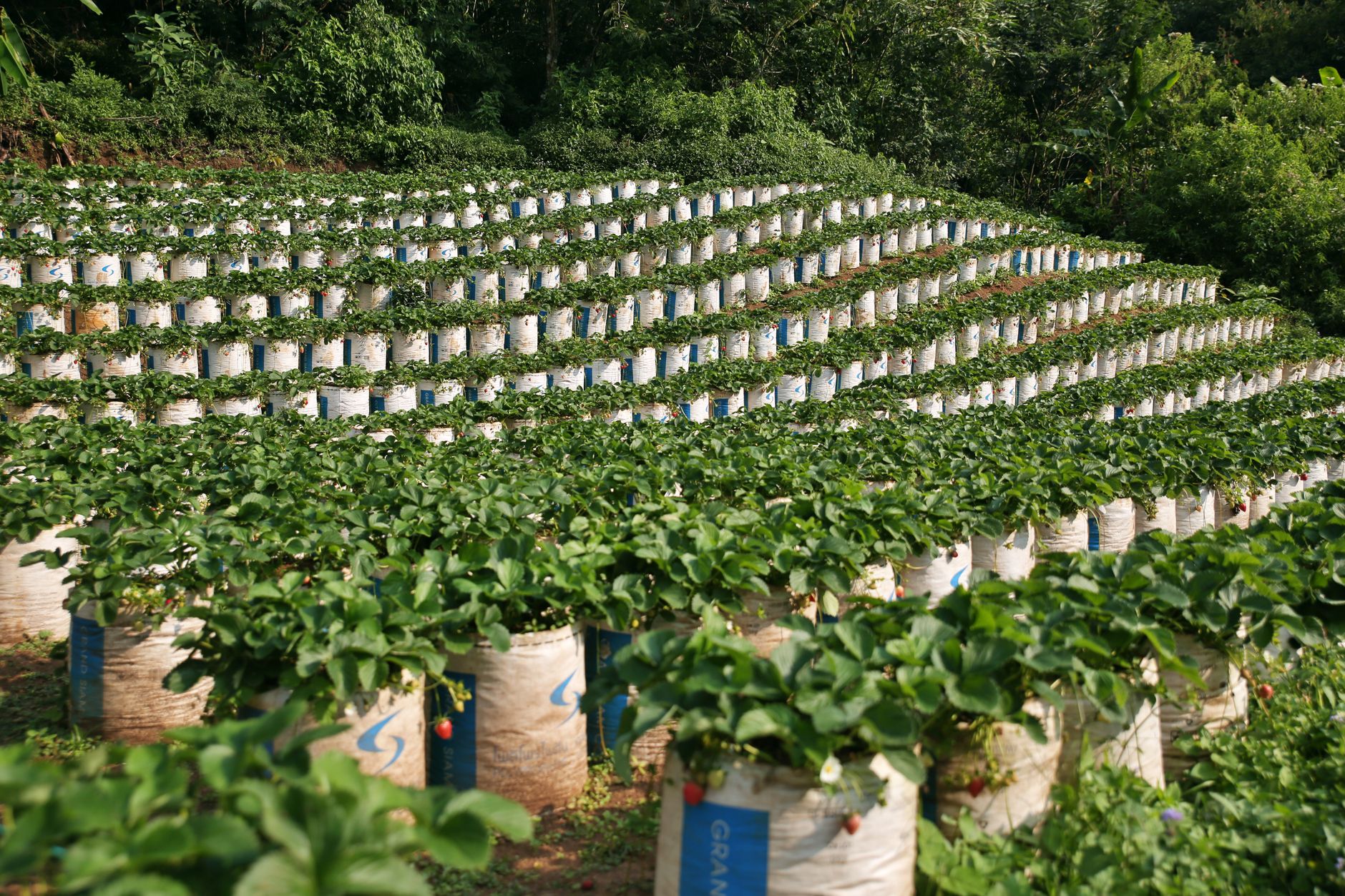
Reserve some open space in your initial layout for future beds, even if you're starting small, since many first-time raised bed gardeners find themselves wanting to expand within just one or two seasons once they see how productive even a small space can be.
Plan pathways wide enough to accommodate this future expansion from the start, rather than needing to reroute established paths around new beds added later.
Consider standardizing your bed dimensions from the beginning, even if you're only building one or two beds initially, which makes any future additions blend seamlessly with your existing layout rather than looking mismatched.
If space is genuinely limited and expansion isn't realistic, consider whether vertical growing structures or a switch to more space-efficient succession planting could increase your effective growing capacity within your existing footprint instead.
Include Supporting Structures in Your Layout

Position a compost bin or pile within reasonable walking distance of your beds, close enough that carrying kitchen scraps and garden waste there doesn't feel like a chore, but far enough to not interfere with bed access.
Plan trellis or vertical support locations as part of your initial layout, positioning them on the north side of beds where they won't shade shorter neighboring plants, following the same orientation logic used for tall crops generally.
Include a water source consideration in your layout planning; positioning beds closer to an outdoor spigot or planning for hose reach significantly reduces the daily friction of watering, especially for larger gardens.
If you plan to add a tool storage shed, cold frame, or other garden structure, sketch its footprint into your layout from the start rather than discovering later that your bed arrangement doesn't leave adequate room.
Common problems and fixes
| Problem | Likely cause | What to do |
|---|---|---|
| Difficulty reaching the center of existing beds without stepping in | Beds built wider than the recommended 3-4 foot maximum for two-sided access. | Consider narrowing future beds, or add stepping stones designed to distribute weight if reworking existing beds isn't practical. |
| One side of a bed consistently underperforms compared to the other | East-west orientation causing uneven sun exposure across the bed's width. | Reorient future beds north-to-south where possible, or adjust crop placement within the existing bed to favor shade-tolerant plants on the weaker side. |
Gardener's checklist
Test what you learned
What is the maximum recommended bed width for two-sided access?
Answer: 3-4 feet
What orientation is generally recommended for raised bed rows in the northern hemisphere?
Answer: North-to-south
How wide should a main path be if wheelbarrow access is needed?
Answer: 36+ inches
Common questions
How much space do I need between raised beds?
Standard paths should be at least 18-24 inches wide for comfortable foot traffic, with at least one wider main path of 36 inches or more if you need to move a wheelbarrow or garden cart through the space.
What is the ideal size for a raised garden bed?
Width should be limited to 3-4 feet for comfortable reach from both sides (or 2-3 feet from one side only), while length is more flexible, commonly ranging from 4-8 feet based on available space.
Does raised bed orientation really matter?
Yes, orienting beds north-to-south in the northern hemisphere allows more even sunlight distribution across the bed's width compared to east-west orientation, which often creates one consistently shadier side.
How do I plan a raised bed layout for an irregularly shaped yard?
Don't force a rigid grid if it doesn't fit naturally; L-shaped, curved, or staggered arrangements can work well for unusual lot shapes while still following the core width and path guidelines for individual beds.
Should all my raised beds be the same size?
Standardizing on one or two width dimensions simplifies material purchasing and makes future expansion blend more seamlessly, though length can vary based on available space without causing any practical issues.
How many raised beds do I need for a family of four?
This varies by diet and goals, but a common starting point is three to five beds of roughly 4x8 feet each, providing enough space for a meaningful variety of vegetables while remaining manageable for a beginning gardening household.
A well-planned raised bed layout, with appropriately sized beds, generous paths, and thoughtful orientation, makes the difference between a garden that's a pleasure to maintain and one that becomes an ongoing source of friction every time you step outside to tend it.
Frequently asked questions
How often should a vegetable garden be watered?
Frequency depends on weather, soil and plant size. Check the soil rather than watering on a rigid schedule.
Is compost enough fertilizer?
Compost improves soil and provides nutrients slowly. Heavy-feeding crops may still need additional feeding.

The Sproutstead Editorial Team
We create clear, practical gardening and homesteading guides designed for real homes and beginner growers.
View author profile →

