
Low maintenance houseplants are perfect for beginners, busy people, and anyone who wants greenery without a lot of effort. The best low maintenance plants include snake plant, ZZ plant, pothos, spider plant, peace lily, philodendron, and jade plant. These plants are forgiving, drought-tolerant, and thrive in a range of conditions. Most need watering only when the soil is dry, tolerate low light, and are resistant to pests. With minimal care, they add beauty, improve air quality, and bring life to any space.
What you will need
Snake Plant — The Indestructible Choice

Snake plants are one of the easiest houseplants to care for. They tolerate very low light, drought, and neglect. They are perfect for beginners and anyone who wants a plant that thrives on minimal care.
Water only when the soil is completely dry. This is typically every 2-6 weeks depending on conditions. In low light, water even less frequently.
Snake plants prefer bright, indirect light but tolerate low light. They can survive with only fluorescent light.
Use well-draining potting mix and a pot with drainage holes. Snake plants are prone to root rot if overwatered.
Snake plants are excellent air purifiers and release oxygen at night, making them great for bedrooms.
ZZ Plant — The Tough Survivor
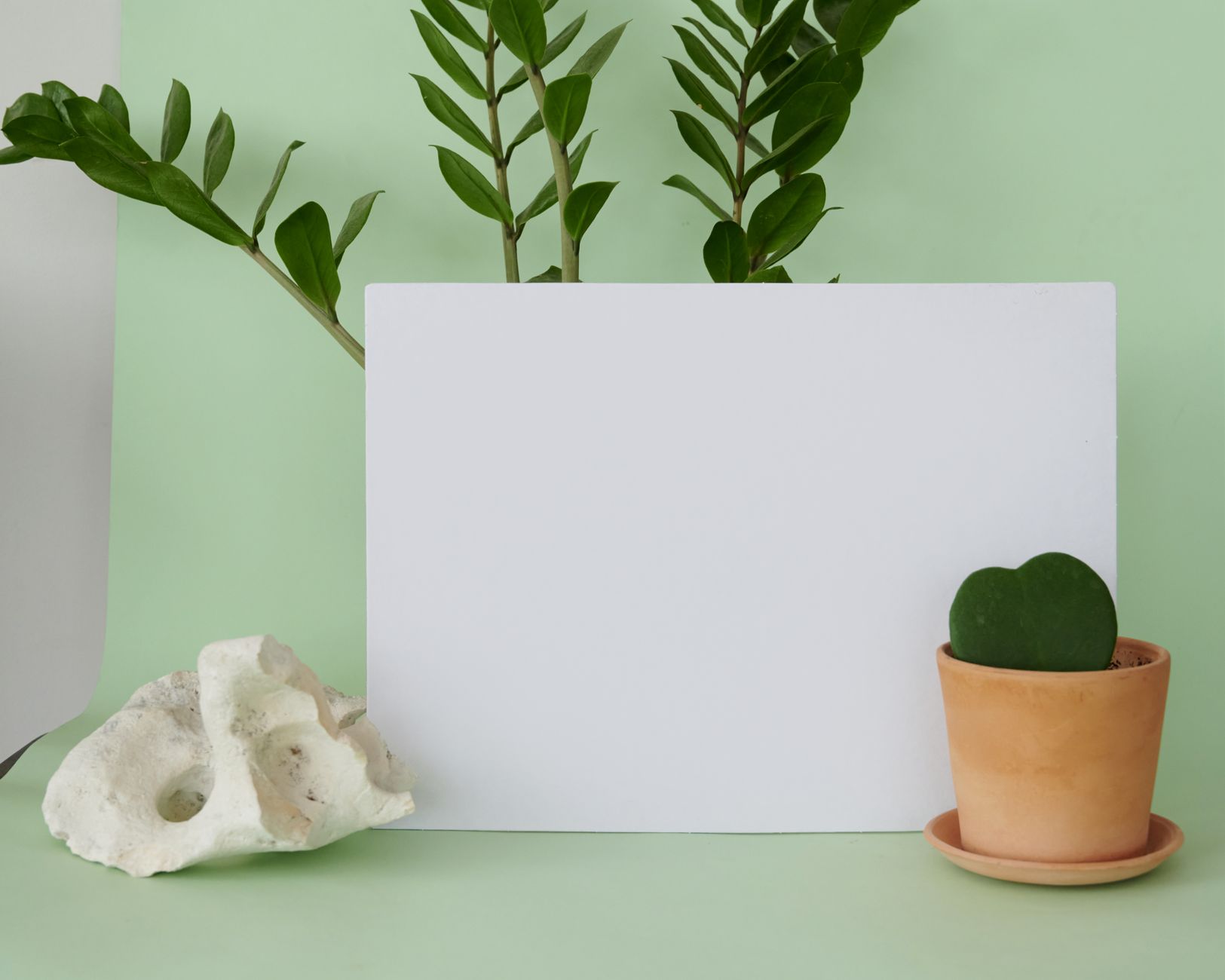
The ZZ plant is one of the toughest houseplants. It tolerates very low light, drought, and neglect. It is perfect for beginners and dark spaces.
Water sparingly. Allow the soil to dry completely between waterings. In low light, water every 3-4 weeks or less.
ZZ plants prefer bright, indirect light but tolerate low light. They can survive in offices with only fluorescent lighting.
Use well-draining potting mix and a pot with drainage holes. ZZ plants are drought-tolerant and do not like wet feet.
ZZ plants have glossy, dark green leaves that add beauty and texture to any space.
Pothos — The Versatile Vine
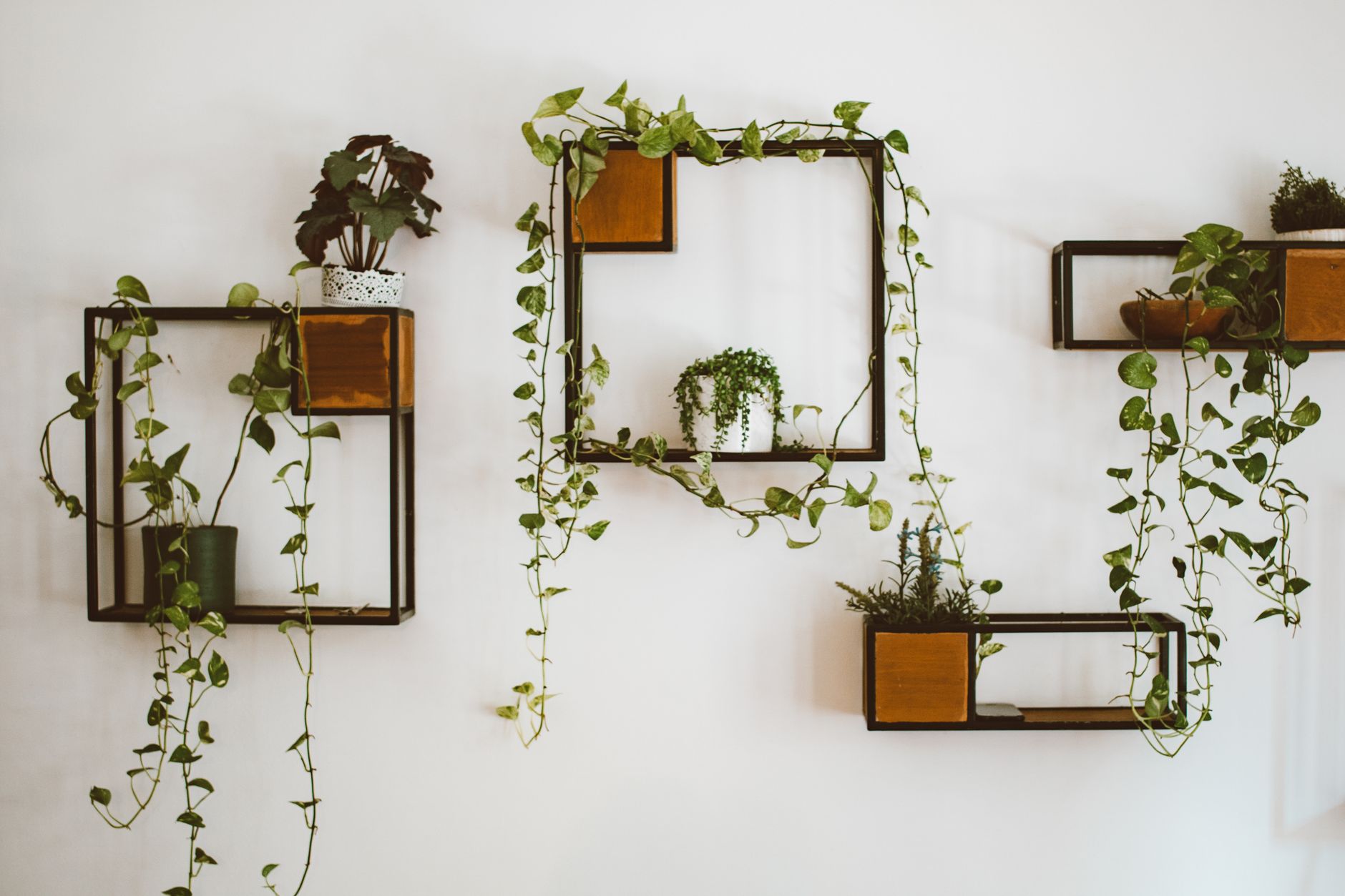
Pothos is a versatile, fast-growing vine that is very forgiving. It tolerates low light, drought, and neglect. It is perfect for hanging baskets, shelves, and trailing over furniture.
Water when the top inch of soil feels dry. Pothos is drought-tolerant and can survive occasional dry periods.
Pothos prefers bright, indirect light but tolerates low light. In low light, the variegation may fade, but the plant remains healthy.
Pothos is an excellent air purifier. It removes formaldehyde and other toxins from the air.
Pothos is toxic to pets, so keep it out of reach.
Spider Plant — The Pet-Friendly Option
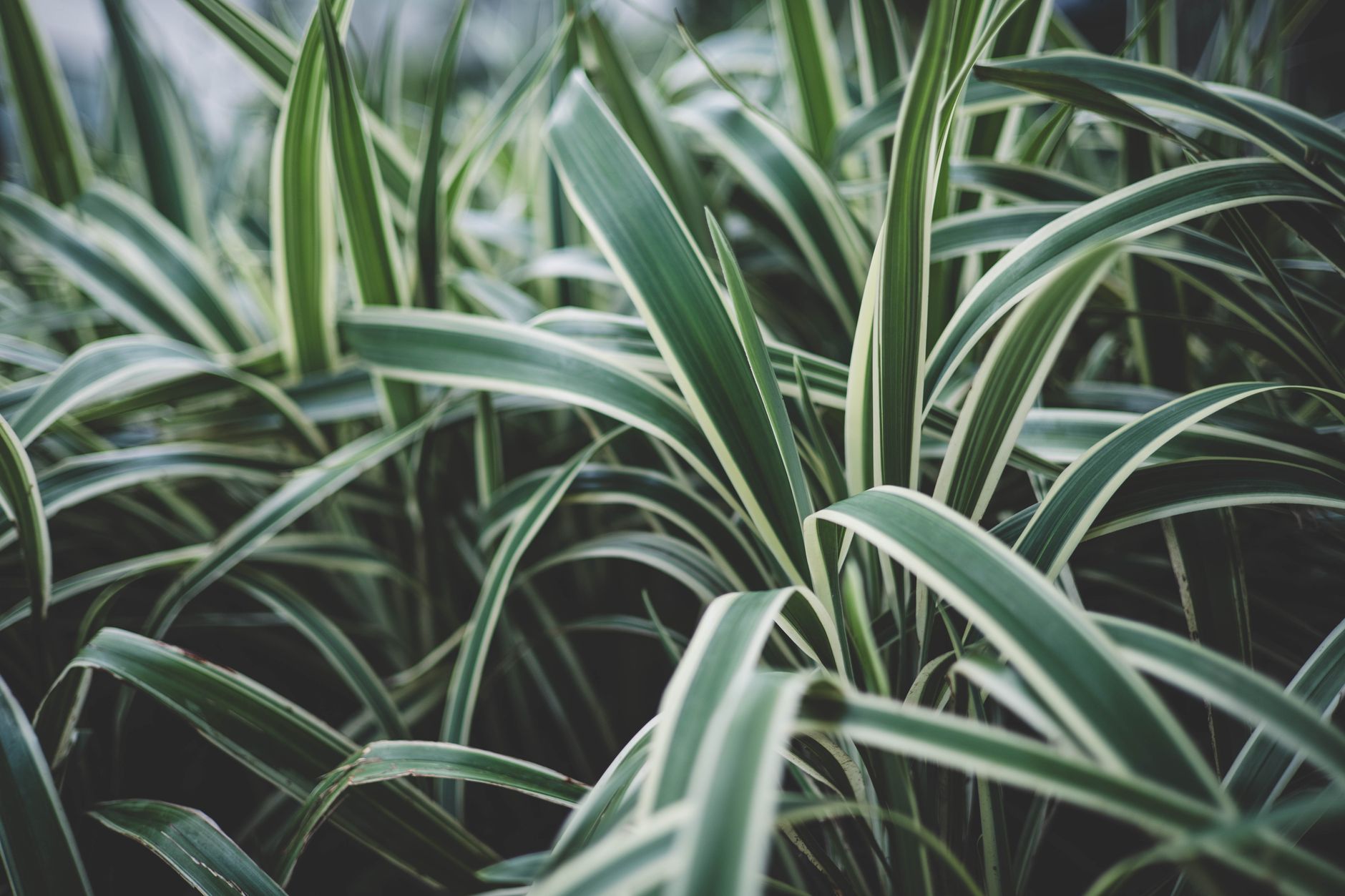
Spider plants are easy-care houseplants that are non-toxic to pets. They are perfect for pet-friendly homes.
Water when the top inch of soil feels dry. Spider plants are drought-tolerant and can survive occasional dry periods.
Spider plants prefer bright, indirect light but tolerate low light. They are adaptable to a range of conditions.
Spider plants produce baby plants (spiderettes) that can be propagated easily.
Spider plants are excellent air purifiers. They remove formaldehyde and xylene from the air.
Peace Lily — Elegant and Forgiving
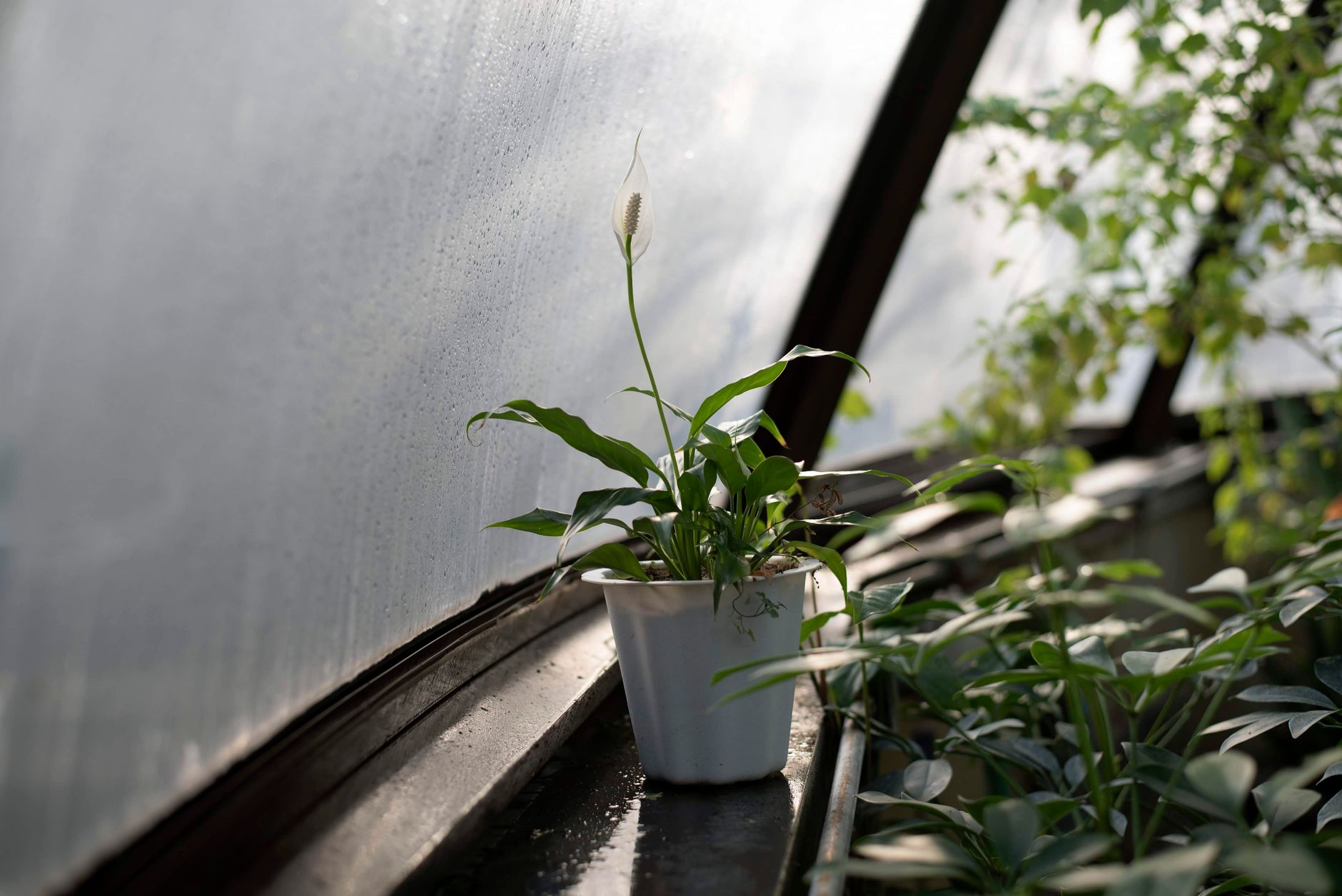
Peace lilies are elegant plants with dark green leaves and white flowers. They are very forgiving and adapt well to indoor conditions.
Water when the top inch of soil feels dry. Peace lilies are dramatic when they need water and will droop, making it easy to know when to water.
Peace lilies prefer low to medium indirect light. They thrive in spaces with limited natural light.
Peace lilies are excellent air purifiers. They remove formaldehyde, benzene, and ammonia from the air.
Peace lilies are toxic to pets, so keep them out of reach.
Philodendron — Classic and Easy

Philodendrons are classic houseplants with heart-shaped leaves. They are easy to grow, adapt well to low light, and are very forgiving.
Water when the top inch of soil feels dry. Philodendrons are drought-tolerant and can survive occasional dry periods.
Philodendrons prefer bright, indirect light but tolerate low light. They adapt well to a range of conditions.
Philodendrons are excellent air purifiers. They remove formaldehyde from the air.
Philodendrons are toxic to pets, so keep them out of reach.
Jade Plant — The Lucky Plant
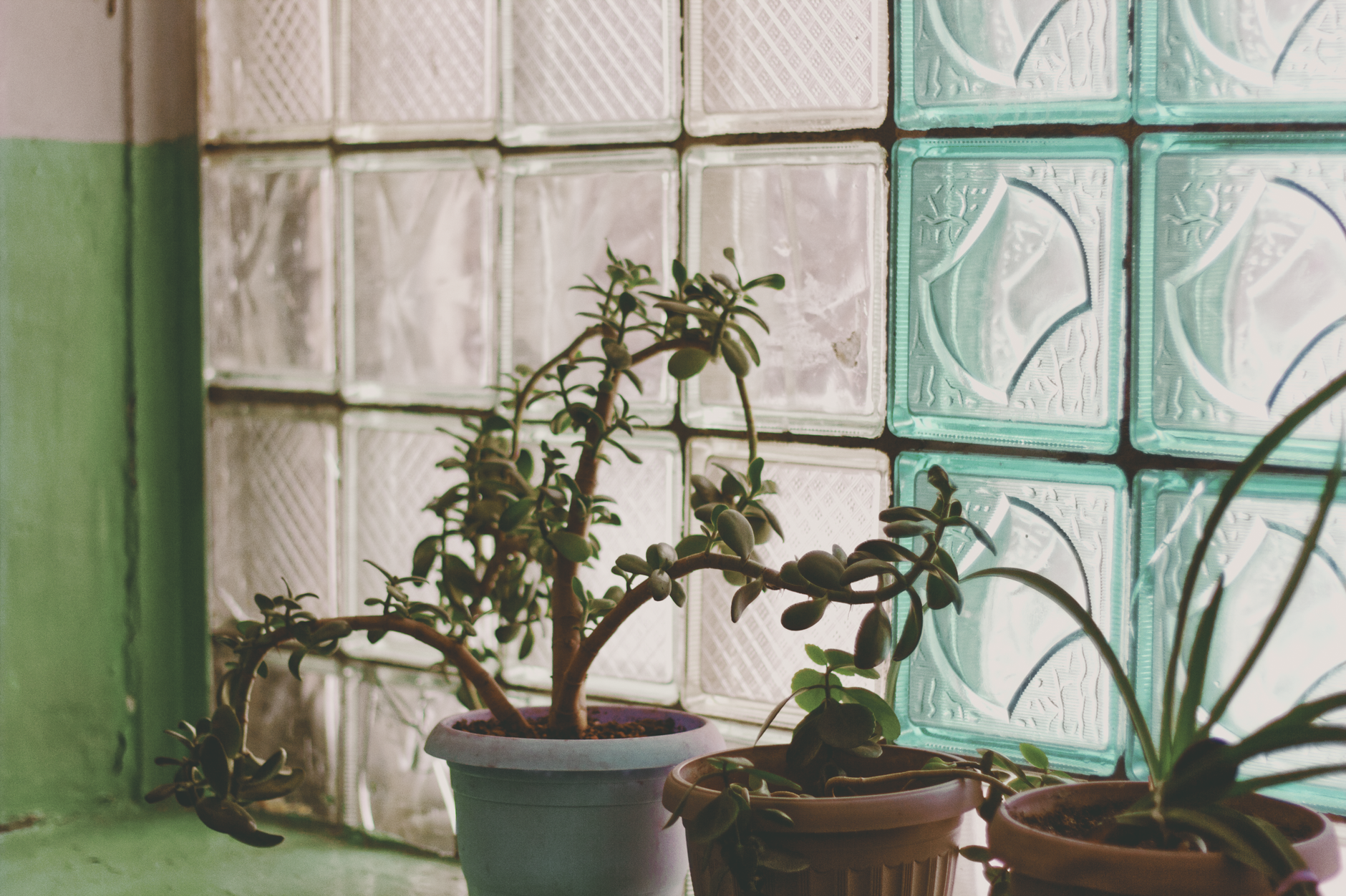
Jade plants are beautiful succulents with thick, fleshy leaves. They are drought-tolerant and very easy to care for.
Water only when the soil is completely dry. This is typically every 2-3 weeks in bright light and every 3-4 weeks in low light.
Jade plants prefer bright, indirect light. They need 4-6 hours of light for compact growth.
Use well-draining cactus soil and a pot with drainage holes. Jade plants are prone to root rot if overwatered.
Jade plants are toxic to pets, so keep them out of reach.
General Care Tips for Low Maintenance Plants

Water less frequently. Most low maintenance plants are drought-tolerant and prefer to dry out between waterings. Overwatering is the most common mistake.
Provide the right light. Most low maintenance plants tolerate low light but thrive in bright, indirect light. Know your plant's light needs.
Use well-draining potting mix and pots with drainage holes. Good drainage prevents root rot.
Fertilize sparingly. Most low maintenance plants do not need much fertilizer. Fertilize only in spring and summer, using diluted fertilizer.
Dust leaves regularly. Dust blocks light and reduces photosynthesis. Wipe leaves with a damp cloth.
Keep plants in a consistent location. Sudden changes in light, temperature, or draft can stress plants.
Common problems and fixes
| Problem | Likely cause | What to do |
|---|---|---|
| Leaves are turning yellow. | Overwatering. | Reduce watering. Let the soil dry out. |
| Leaves are wilting. | Underwatering or root rot. | Check soil moisture. If dry, water. If wet, let it dry out. |
| Brown tips on leaves. | Low humidity or over-fertilizing. | Increase humidity. Reduce fertilizer. |
| Plant is not growing. | Normal for low maintenance plants (slow growers). | Be patient. Ensure proper light and water. |
Gardener's checklist
Test what you learned
Which plant is the most drought-tolerant and nearly indestructible?
Answer: Snake plant
What is the most common mistake with low maintenance plants?
Answer: Overwatering
Which low maintenance plant is non-toxic to pets?
Answer: Spider plant
How often should you water most low maintenance plants?
Answer: When the soil is dry
Common questions
What is the easiest houseplant to care for?
Snake plants are the easiest houseplants to care for. They tolerate low light, drought, and neglect. They are nearly indestructible and perfect for beginners.
How often should I water low maintenance plants?
Water only when the soil is dry. This is typically every 1-4 weeks depending on the plant, light, and conditions. Always check the soil moisture before watering.
Can low maintenance plants survive in low light?
Yes. Many low maintenance plants like snake plant, ZZ plant, and pothos tolerate low light. They grow slower but remain healthy.
Do low maintenance plants need fertilizer?
Low maintenance plants do not need much fertilizer. Fertilize sparingly in spring and summer with diluted fertilizer. Do not fertilize in winter.
Are low maintenance plants good for beginners?
Yes. Low maintenance plants are perfect for beginners. They are forgiving, drought-tolerant, and thrive with minimal care. Start with snake plant, ZZ plant, or pothos.
Low maintenance houseplants are perfect for beginners, busy people, and anyone who wants greenery without a lot of effort. The best low maintenance plants include snake plant, ZZ plant, pothos, spider plant, peace lily, philodendron, and jade plant. These plants are forgiving, drought-tolerant, and thrive in a range of conditions. Water only when the soil is dry, provide the right light, and fertilize sparingly. With minimal care, they add beauty, improve air quality, and bring life to any space.
Frequently asked questions
How often should a vegetable garden be watered?
Frequency depends on weather, soil and plant size. Check the soil rather than watering on a rigid schedule.
Is compost enough fertilizer?
Compost improves soil and provides nutrients slowly. Heavy-feeding crops may still need additional feeding.

The Sproutstead Editorial Team
We create clear, practical gardening and homesteading guides designed for real homes and beginner growers.
View author profile →

