Squirrels are clever, persistent pests that can decimate gardens by eating seeds, bulbs, fruits, and vegetables. To keep squirrels out, use physical barriers like 1-inch mesh hardware cloth (buried 6-8 inches deep) and fencing (5-6 feet tall). Apply natural repellents like capsaicin (hot pepper spray), predator urine, or garlic spray. Use scare tactics like motion-activated sprinklers, reflective tape, or decoy predators. Remove attractants like bird feeders and fallen fruit. For persistent problems, use live traps and relocate squirrels at least 5 miles away. A combination of methods is the most effective approach.
What you will need
Understand Squirrel Behavior

What they eat: Seeds, nuts, bulbs, fruits, vegetables, and birdseed. They also dig up newly planted seeds and bulbs.
When they're active: Squirrels are diurnal (active during the day), most active in the morning and late afternoon.
Why they're a problem: They dig up bulbs, eat seeds, damage vegetables, and can destroy gardens in a short time.
How they get in: They can climb fences, squeeze through small gaps, and dig under barriers. They're persistent and intelligent.
Think like a squirrel: Squirrels are clever. A single deterrent may not work—use multiple methods.
Install Physical Barriers

Fencing: Install a fence at least 5-6 feet tall. Add a 1-2 foot overhang at the top (facing outward) to prevent climbing.
Hardware cloth: Use 1-inch hardware cloth around garden beds. Bury it 6-8 inches deep to prevent digging.
Electric fence: A low-voltage electric wire near the top of the fence can be an effective deterrent.
Raised beds: Use raised beds with solid sides to prevent squirrels from digging in from below.
Cover plants: Use netting or row covers to protect individual plants.
Apply Natural Repellents

Hot pepper spray: Mix 1 tablespoon of cayenne pepper or hot sauce with 1 quart of water. Add a few drops of dish soap. Spray on plants, seeds, and bulbs.
Predator urine: Fox, coyote, or bobcat urine is available at garden centers. Sprinkle around the garden to deter squirrels.
Garlic spray: Blend 5-6 cloves of garlic with water and strain. Spray around plants.
Peppermint oil: Soak cotton balls in peppermint oil and place them in the garden.
Reapplication: Repellents need to be reapplied after rain and every 1-2 weeks.
Use Scare Tactics

Motion-activated sprinklers: These detect movement and spray a burst of water, scaring squirrels away. They're highly effective.
Reflective tape: Hang shiny, reflective tape (like scare tape) in the garden. The light and movement deter squirrels.
Decoy predators: Place a decoy owl or hawk in the garden. Move it regularly so squirrels don't get used to it.
Wind chimes: The noise can deter squirrels.
Pinwheels: Moving pinwheels can startle squirrels.
Remove Attractants

Bird feeders: Squirrels love birdseed. Use squirrel-proof feeders or remove feeders temporarily.
Fallen fruit: Pick up fallen fruit from trees—it's a prime food source.
Compost: Keep compost bins covered. Don't compost meat or dairy products.
Pet food: Don't leave pet food outside.
Gardens: Protect vegetable gardens with fencing. Harvest vegetables promptly.
Protect Bulbs and Seeds

Wire cages: Plant bulbs in wire cages (chicken wire or hardware cloth) to prevent digging.
Repellents: Apply hot pepper spray or garlic spray to bulbs before planting.
Planting depth: Plant bulbs deeper (6-8 inches) to make them harder to find.
Alternative plants: Plant squirrel-resistant bulbs (daffodils, alliums, hyacinths).
Cover seeds: Cover newly planted seeds with row covers or netting.
Use Live Traps
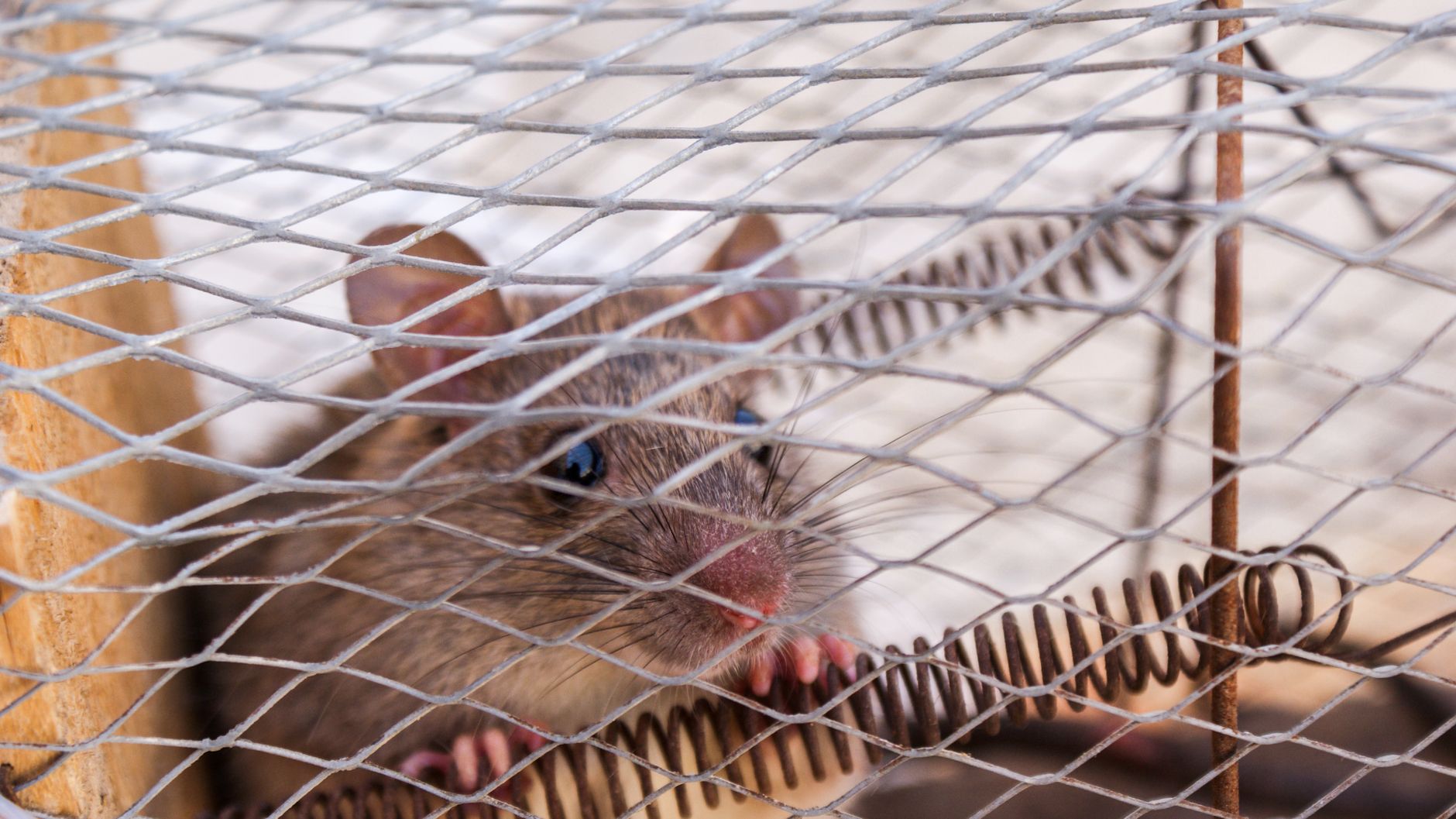
Best traps: Use live traps (Havahart size 1020 or similar) specifically for squirrels.
Bait: Use peanut butter, sunflower seeds, or nuts. Peanut butter is especially effective.
Placement: Place traps along fences, walls, or near areas of activity.
Checking: Check traps frequently (at least twice daily). Squirrels can die quickly in hot or cold weather.
Relocation: Relocate squirrels at least 5 miles away in a suitable habitat (wooded area with water). Check local regulations.
Consider Repellent Plants

Daffodils: Squirrels avoid daffodil bulbs (they're toxic to them).
Alliums: Onions, garlic, and chives are natural repellents.
Marigolds: The strong scent of marigolds can deter squirrels.
Nasturtiums: Squirrels generally avoid nasturtiums.
Planting: Plant these around the perimeter of your garden to create a natural barrier.
Common problems and fixes
| Problem | Likely cause | What to do |
|---|---|---|
| Squirrels climbing over fencing | Fence too short or no overhang. | Add a 1-2 foot overhang to the top of the fence (facing outward). |
| Squirrels digging under fencing | Fencing not buried deep enough. | Bury fencing 6-8 inches deep or add an apron extending outward. |
| Repellents not working | Squirrels getting used to them or not reapplying. | Rotate repellents and reapply regularly. |
| Squirrels in the house | Open gaps or holes in the roof or foundation. | Seal gaps with hardware cloth or steel wool. Call a professional if needed. |
Gardener's checklist
Test what you learned
How tall should a squirrel-proof fence be?
Answer: 5-6 feet with overhang
How deep should fencing be buried to prevent digging?
Answer: 6-8 inches
What is a natural repellent for squirrels?
Answer: Hot pepper spray
What is one of the most effective scare tactics for squirrels?
Answer: Motion-activated sprinkler
How far should you relocate trapped squirrels?
Answer: 5 miles
Common questions
Do squirrels eat garden vegetables?
Yes, squirrels eat seeds, bulbs, fruits, and vegetables. They especially love tomatoes, corn, and squash.
Can squirrels damage garden plants?
Yes, they dig up bulbs and seedlings, eat fruits and vegetables, and can damage plants by chewing on stems and bark.
Does peppermint oil repel squirrels?
Yes, peppermint oil is a natural repellent. Soak cotton balls in peppermint oil and place them in the garden.
Do decoy owls work on squirrels?
Decoy owls can work but squirrels quickly learn they're not real. Move the decoy regularly and combine with other methods.
Can I use poison to kill squirrels?
Poison is not recommended—it's inhumane and can harm pets and other wildlife. Use live traps and relocation instead.
Squirrels are clever, persistent pests, but you can keep them out of your garden with a combination of physical barriers, repellents, and scare tactics. Install 5-6 foot fencing with an overhang, apply hot pepper spray regularly, and use motion-activated sprinklers. Remove attractants like bird feeders and fallen fruit, and protect bulbs with wire cages. If problems persist, use live traps and relocate squirrels at least 5 miles away. With persistence and a multi-method approach, you can protect your garden from squirrels.
Frequently asked questions
How often should a vegetable garden be watered?
Frequency depends on weather, soil and plant size. Check the soil rather than watering on a rigid schedule.
Is compost enough fertilizer?
Compost improves soil and provides nutrients slowly. Heavy-feeding crops may still need additional feeding.

The Sproutstead Editorial Team
We create clear, practical gardening and homesteading guides designed for real homes and beginner growers.
View author profile →