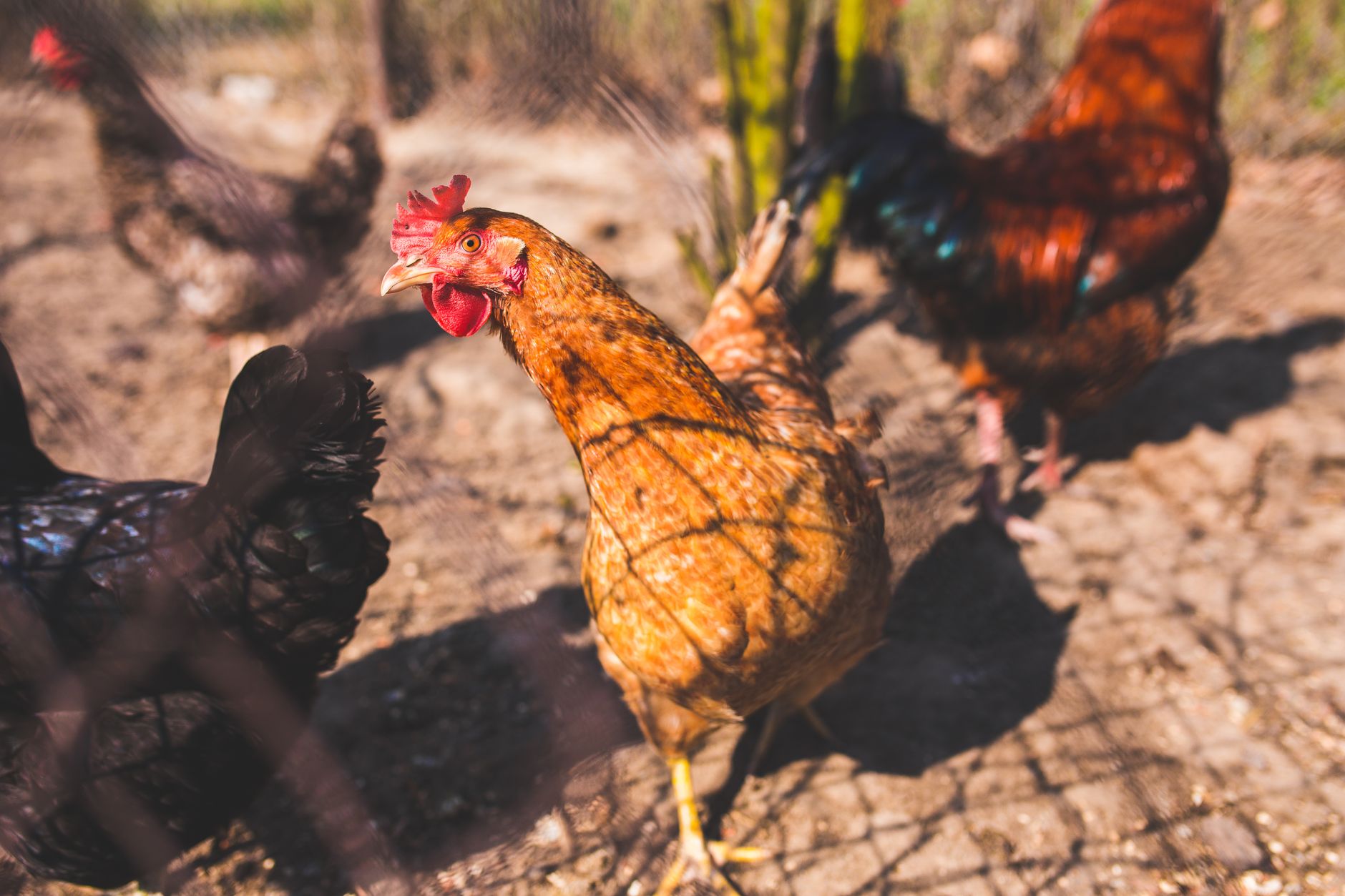
Chickens are vulnerable to heat stress above 85°F. To keep them cool, provide shade (trees, shade cloth, or covered areas), ensure excellent ventilation (fans, open vents), offer plenty of fresh, cool water (add ice cubes), and give frozen treats (watermelon, frozen fruits, ice blocks). You can also mist the run with water, provide shallow water for wading, and add electrolytes to their water. Avoid feeding during the hottest part of the day. Watch for signs of heat stress: panting, wings held away from the body, lethargy, and reduced egg production. Move chickens to a cooler area if they show severe signs.
What you will need
Understand the Dangers of Heat Stress

Why heat stress is dangerous: Chickens don't sweat. They cool themselves by panting and holding their wings away from their bodies. In extreme heat, they can suffer organ damage or death.
Signs of heat stress: Panting, wings held away from the body, lethargy, reduced appetite, pale combs and wattles, diarrhea, and decreased egg production.
At what temperature: Heat stress begins at 85°F. At 95°F and above, immediate action is needed.
Vulnerable breeds: Heavy breeds (Orpingtons, Brahmas), dark-feathered breeds, and birds with large combs are more susceptible.
Egg production: Heat stress causes a significant drop in egg production—sometimes stopping entirely.
Provide Shade
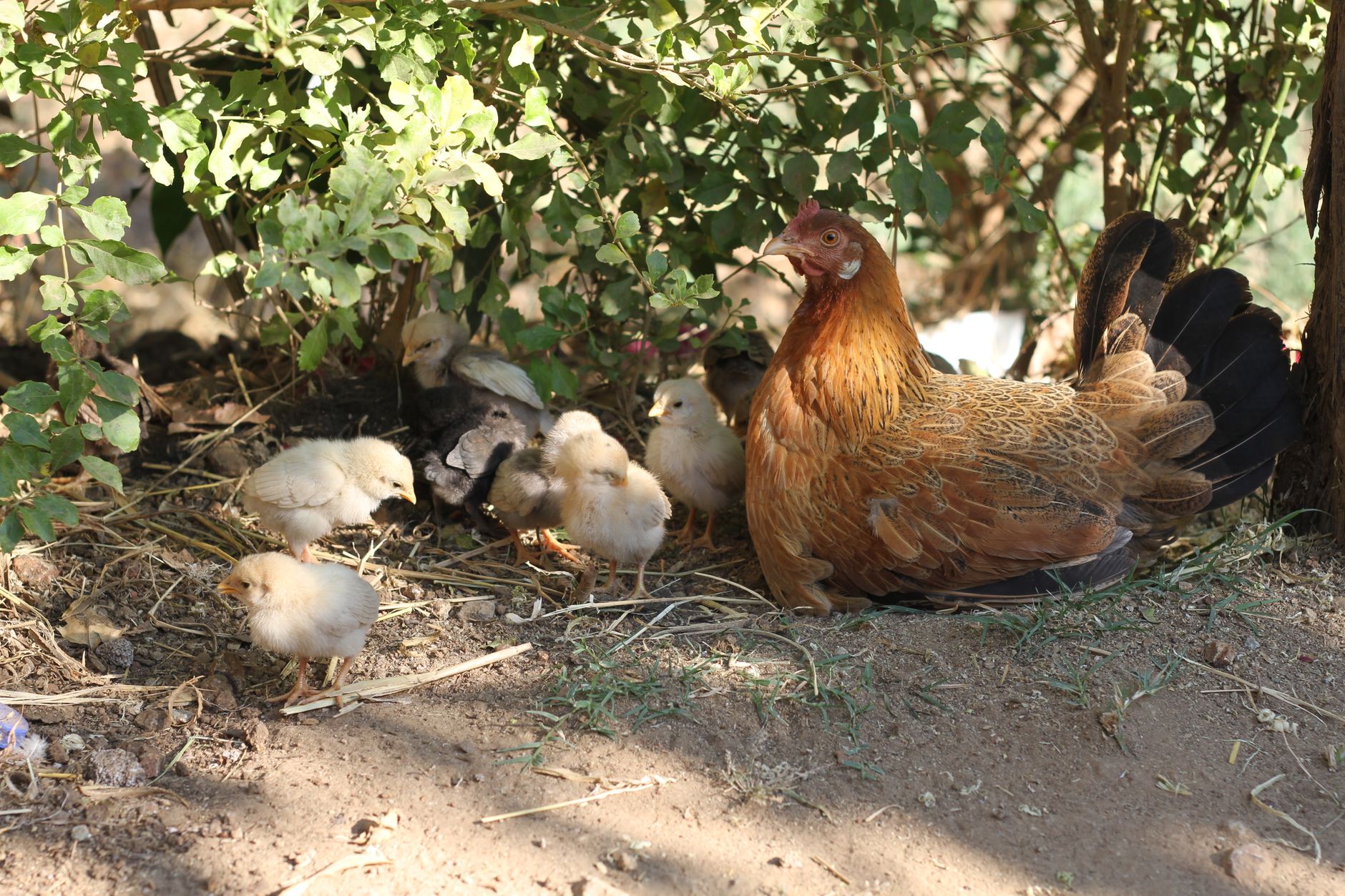
Trees: Natural shade is best. Plant trees around the run if possible.
Shade cloth: A 70-90% shade cloth over the run provides excellent protection. It's removable and adjustable.
Tarps: Hang tarps to create shaded areas. Leave gaps for airflow.
Natural shade: Use the coop's shadow—position the run on the east or north side to maximize shade.
Make shade: Add a roofed section to the run. Chickens will naturally gather in the coolest spot.
Improve Ventilation
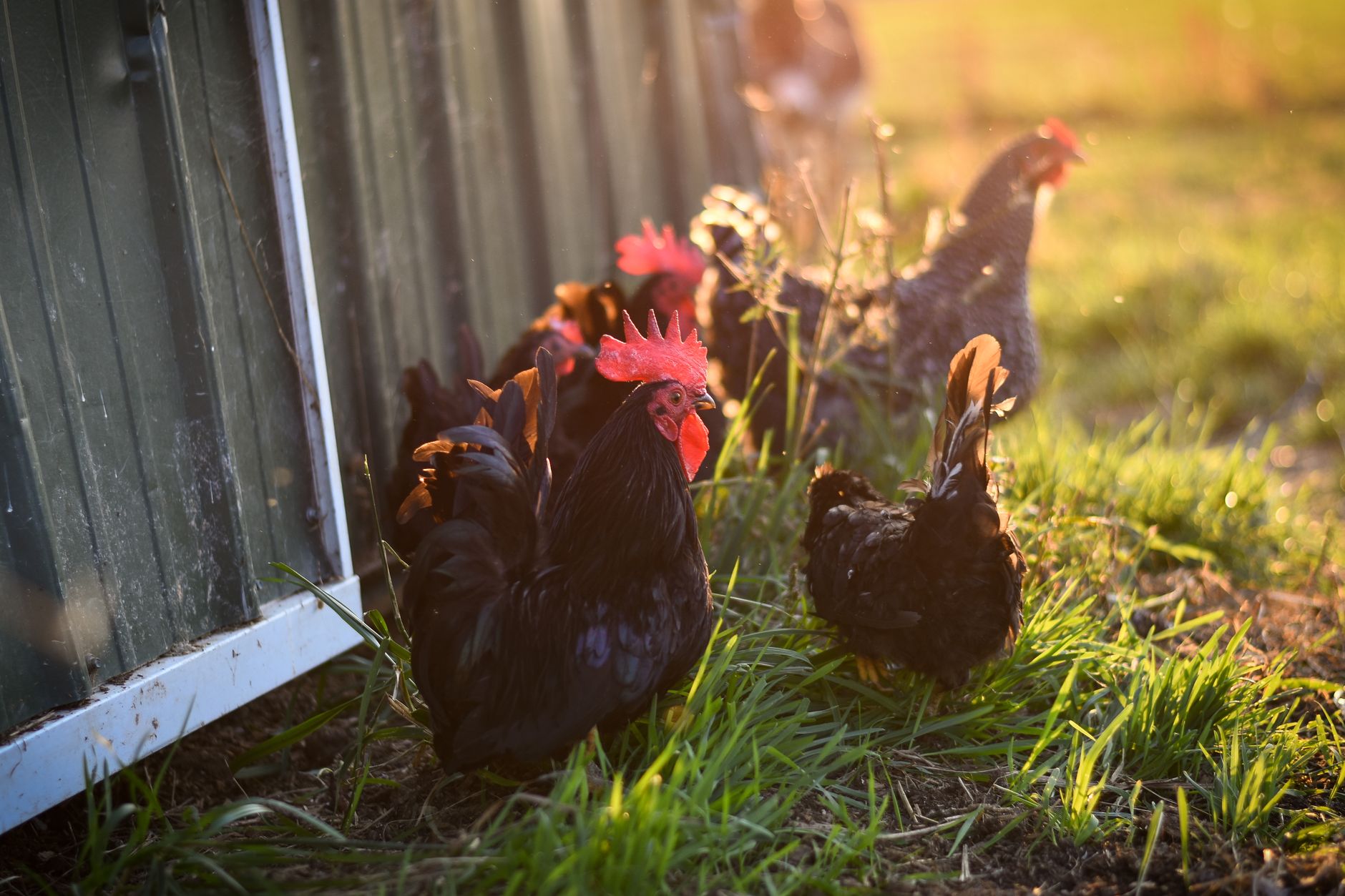
Open windows: Open all windows and vents on the cooler side of the coop.
Add fans: Use fans to move air through the coop. Misting fans are especially effective.
Vents: Install additional vents if needed. Heat and humidity build up in enclosed spaces.
Cross breeze: Create a cross breeze by opening windows or vents on opposite sides of the coop.
Remove bedding: If the coop is too hot, temporarily remove some bedding to improve airflow.
Provide Plenty of Cool Water
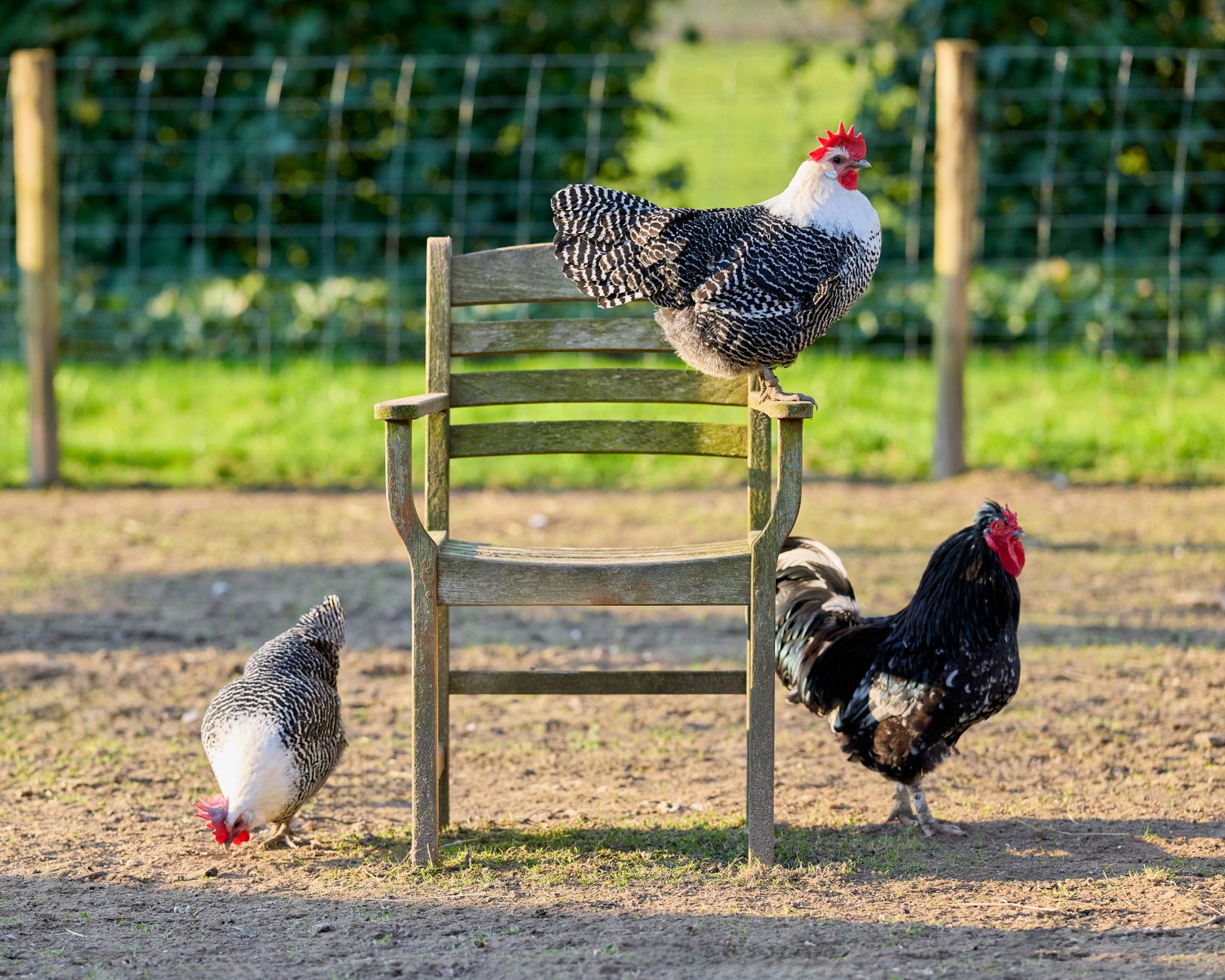
Increase waterers: Add extra waterers so multiple chickens can drink at once.
Keep water cool: Place waterers in the shade. Add ice cubes or frozen blocks to keep water cool.
Change water frequently: In hot weather, water gets warm quickly. Change it 2-3 times daily.
Add electrolytes: Add an electrolyte supplement to the water to replenish lost minerals.
Deep bowls: Use deep bowls or waterers—they hold more water and stay cool longer.
Offer Frozen Treats

Watermelon: A summer favorite. Cold and hydrating. Serve chilled.
Frozen fruits: Freeze berries, grapes, or corn. Serve as a cold snack.
Ice blocks: Freeze water in a shallow pan and place in the run. Chickens will peck at it.
Frozen veggies: Freeze peas, corn, or mixed vegetables. Great for cooling.
Frozen yogurt: Plain, unsweetened frozen yogurt is a treat. Limit quantity.
How to serve: Offer treats in the afternoon when temperatures peak.
Use Misting Systems

Mister attachment: Attach a mister to a garden hose and mist the run. This cools the air significantly.
Misting fan: A fan with a misting attachment is ideal—it combines air movement with cooling.
Spray bottle: For small flocks, a spray bottle with cool water can be used to mist chickens.
When to mist: Mist during the hottest part of the day (12-4 PM).
Avoid soaking: Mist lightly—chickens don't want to be drenched. A fine mist is best.
Provide Shallow Water for Wading
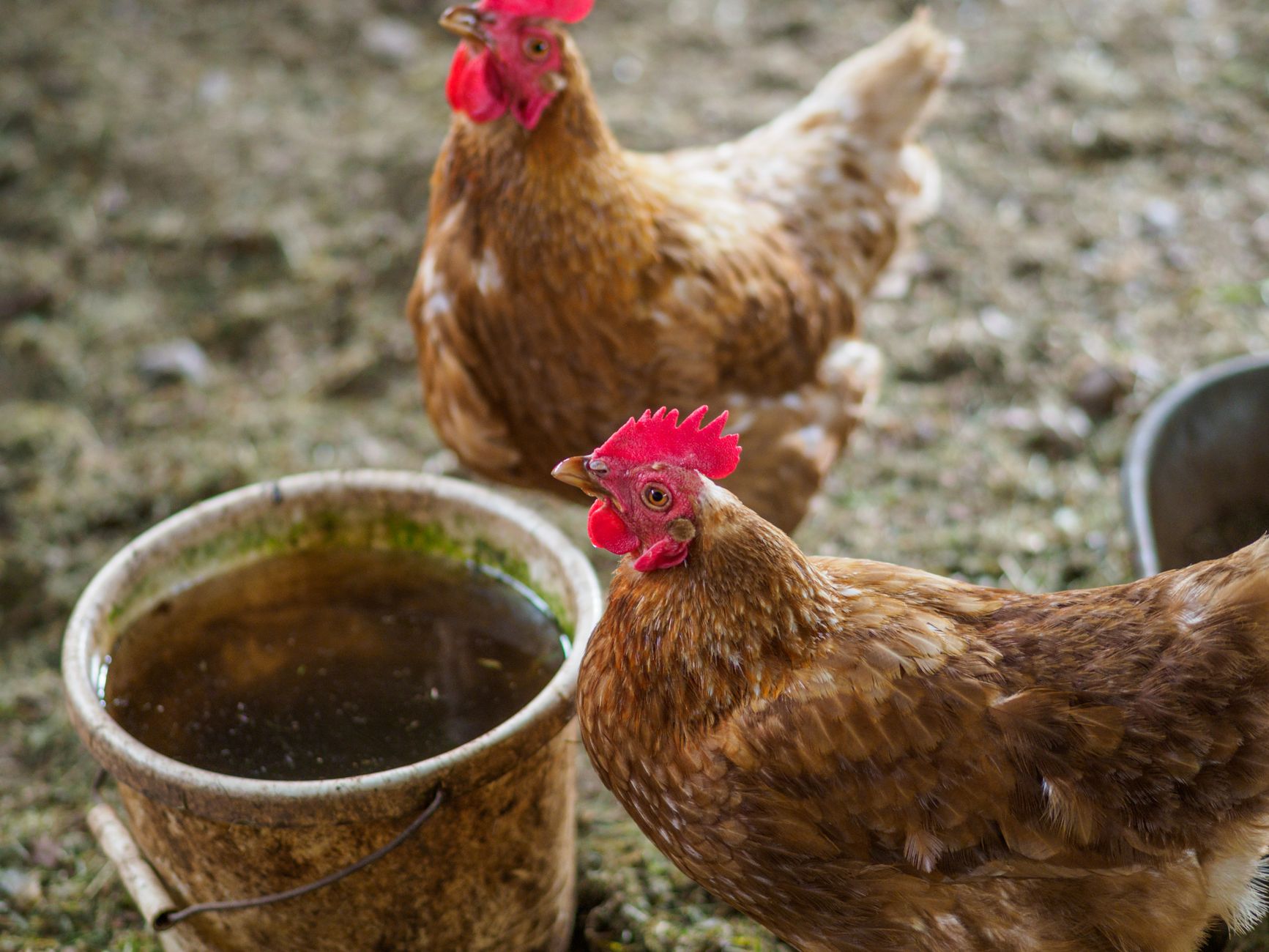
Why it works: Chickens cool down through their feet. Wading in cool water lowers their body temperature.
How to do it: Place a shallow pan (1-2 inches deep) in a shaded area. Fill with cool water.
Clean daily: Change the water daily—it can get dirty quickly.
Supervise: Ensure the water is shallow enough to prevent drowning.
Where to place: Place near the coop entrance—chickens will naturally step into it.
Adjust Feeding Schedule
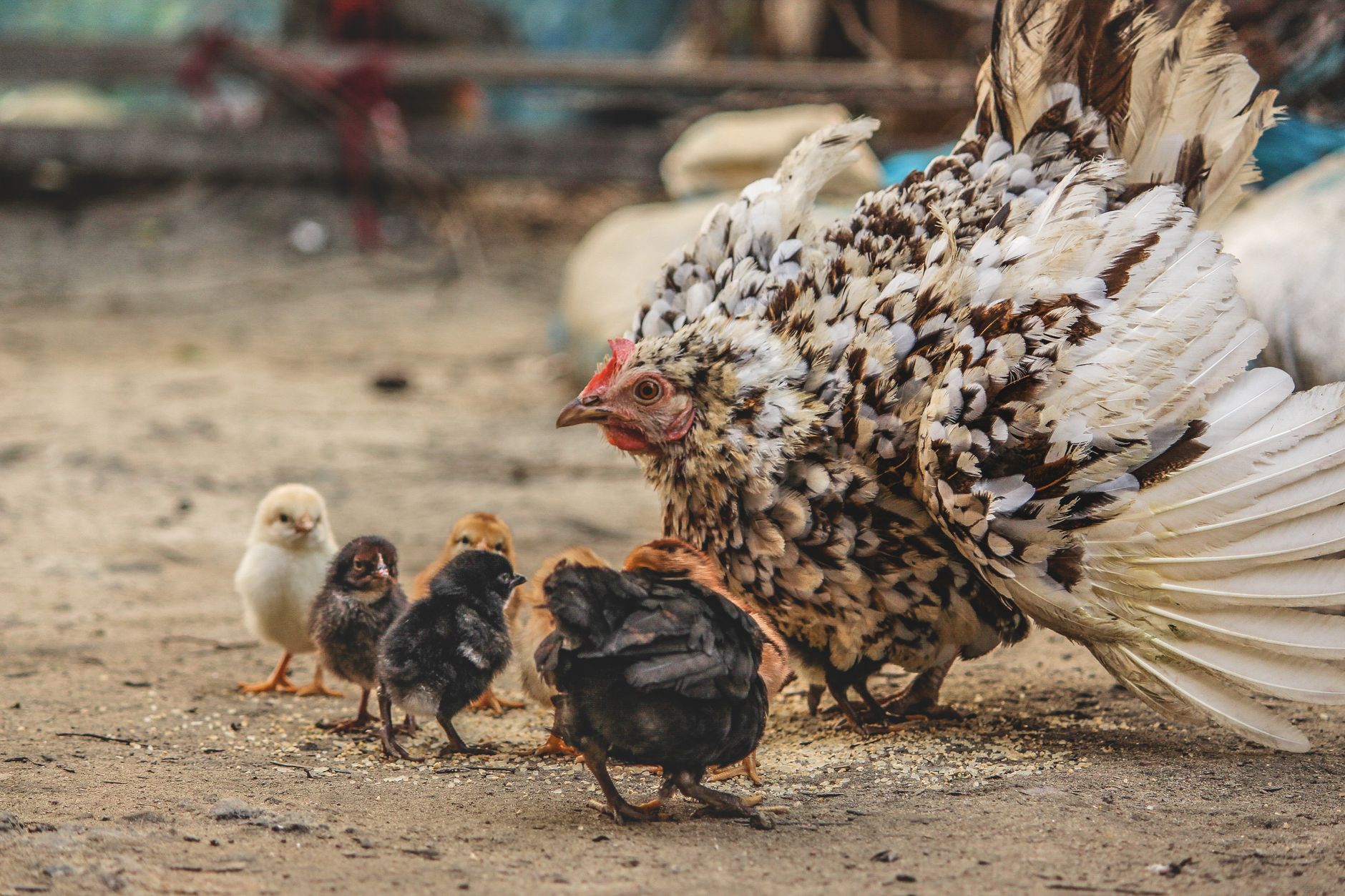
Feed early morning: The digestion process generates heat. Feed in the early morning when it's cool.
Avoid midday feeding: Don't feed between 11 AM and 4 PM—peak heat hours.
Offer treats in afternoon: Offer frozen treats in the afternoon—they provide cooling.
Ensure water: Water is more important than food in hot weather.
If production drops: Feed reduction is normal in heat—don't force feed.
Identify and Respond to Heat Stress
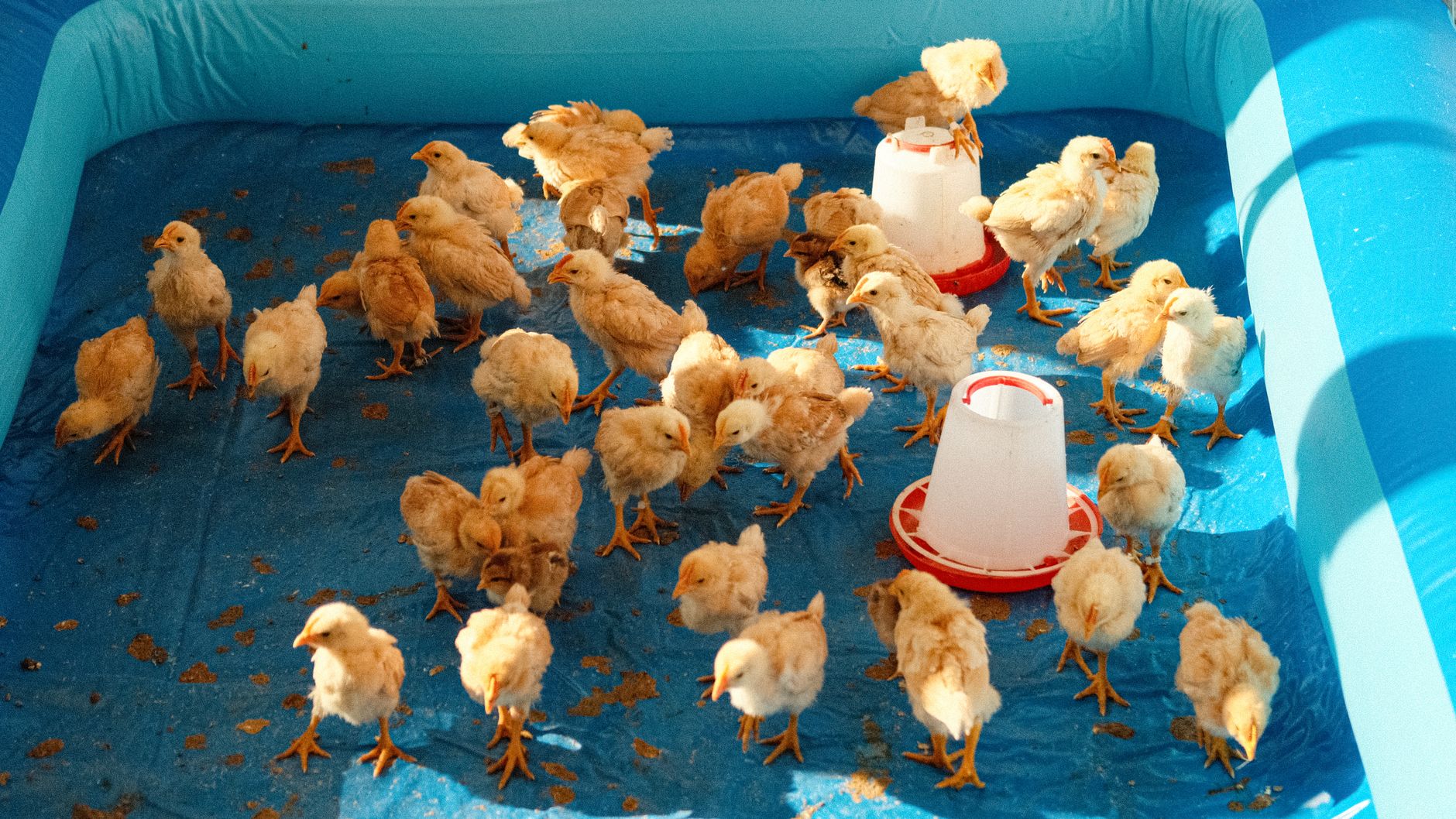
Signs of severe heat stress: Heavy panting, collapsed, limp, unresponsive, pale comb, or diarrhea.
Emergency cooling: Move the chicken to a cooler area. Dip feet in cool water. Mist with cool water. Provide electrolytes.
When to call: If the chicken is unresponsive or not improving, consult a vet immediately.
Recovery time: Chickens can recover quickly if cooled in time. Keep in a cool, quiet area.
Prevention: Prevention is better than treatment. Provide shade, water, and ventilation before heat stress occurs.
Common problems and fixes
| Problem | Likely cause | What to do |
|---|---|---|
| Chickens are panting heavily | Heat stress—temperature is too high. | Provide more shade, water, and ventilation. Mist the run. Offer frozen treats. |
| Egg production has dropped significantly | Heat stress—hens stop laying in extreme heat. | Cool the coop, provide more water, and feed in the morning. Production will recover when temperatures drop. |
| Chickens are lethargic or collapsed | Severe heat stress—emergency situation. | Move to a cool area. Dip feet in cool water. Mist with cool water. Provide electrolytes. Contact a vet. |
| Water is too warm | Waterers are in the sun or not refreshed. | Move waterers to the shade. Add ice cubes. Change water 2-3 times daily. |
Gardener's checklist
Test what you learned
At what temperature does heat stress begin in chickens?
Answer: 85°F
What is the most important step to keep chickens cool?
Answer: Shade
How often should you change water in hot weather?
Answer: 2-3 times daily
What is a sign of heat stress in chickens?
Answer: Panting and wings away from body
Common questions
Can chickens die from heat?
Yes. Heat stress can be fatal, especially in temperatures above 95°F. Chickens don't sweat—they need shade, water, and ventilation to stay cool.
What temperature is too hot for chickens?
Heat stress begins at 85°F. Above 90°F, chickens need additional cooling measures. Above 95°F, immediate action is needed.
How do chickens cool down?
Chickens cool down by panting, holding their wings away from their bodies, and through their feet. They also seek shade and drink water.
Should I give chickens ice water?
Yes, but use ice cubes in water rather than ice-cold water. Ice cubes keep water cool without shocking the system.
Do chickens stop laying in hot weather?
Yes. Egg production drops significantly in heat stress—sometimes stopping entirely. Production usually resumes when temperatures cool.
Keeping chickens cool in summer is all about preparation and attention. Provide shade, ensure good ventilation, offer plenty of cool water, and watch for signs of heat stress. Frozen treats, misting, and shallow water for wading are excellent cooling methods. Avoid feeding during peak heat hours and act quickly if you see signs of heat stress. With proper care, your flock can weather the hottest days safely.
Frequently asked questions
How often should a vegetable garden be watered?
Frequency depends on weather, soil and plant size. Check the soil rather than watering on a rigid schedule.
Is compost enough fertilizer?
Compost improves soil and provides nutrients slowly. Heavy-feeding crops may still need additional feeding.

The Sproutstead Editorial Team
We create clear, practical gardening and homesteading guides designed for real homes and beginner growers.
View author profile →