Strawberries are easy to grow and produce fruit in the first year. Choose the right variety: June-bearing (one big crop), everbearing (two crops), or day-neutral (continuous). Plant in early spring or fall in full sun (6-8 hours) with well-draining soil (pH 5.5-6.8). Space plants 12-18 inches apart in rows 3-4 feet apart. Water 1-2 inches per week, mulch with straw to keep berries clean and retain moisture, and fertilize in spring. Protect from birds with netting. Harvest when berries are fully red and ripe—they don't ripen after picking. Strawberries are perennials but produce best for 2-3 years; replace plants every 3-4 years for the best yields.
What you will need
Choose the Right Strawberry Variety

June-Bearing (Summer-Fruiting): Produce one large crop in late spring to early summer (June). Best for freezing, jam-making, and big harvests. Popular varieties: Earliglow, Honeoye, Chandler, Seascape. Best for cooler climates.
Everbearing: Produce two crops—one in early summer and another in fall. They produce fewer berries per flush but over a longer season. Popular varieties: Ozark Beauty, Quinault, Fort Laramie.
Day-Neutral: Produce fruit continuously from spring through fall, regardless of day length. Best for containers and small spaces. Popular varieties: Albion, San Andreas, Seascape, Tribute. Excellent for warmer climates.
Alpine Strawberries: Small, intensely flavored berries that grow wild. They produce small fruits over a long season. Great for ground cover and edible landscaping.
Which is best? For beginners: June-bearing for a big harvest, or day-neutral for continuous picking. Choose based on your climate and how much space you have.
Select the Best Planting Site

Sunlight: Choose a location with at least 6-8 hours of direct sunlight daily. More sun = more fruit. Afternoon shade is beneficial in hot climates.
Soil: Strawberries prefer well-draining, sandy loam soil with a pH of 5.5-6.8. Avoid heavy clay or waterlogged soil. Add compost or aged manure to improve drainage.
Drainage: Good drainage is critical. If water pools, strawberries will rot. Consider raised beds if your soil is heavy clay.
Wind protection: Protect plants from strong winds, which can dry out the soil and damage flowers.
Crop rotation: Avoid planting where tomatoes, potatoes, peppers, or eggplants grew in the last 3 years (they share diseases).
Plant Strawberries Correctly

When to plant: Plant in early spring (as soon as the ground can be worked) or in fall (6 weeks before first frost).
Planting depth: The crown (where the roots meet the leaves) should sit at soil level. The top of the crown should be just above the soil surface. Planting too deep causes crown rot; too shallow causes drying out.
Spacing: Space plants 12-18 inches apart in rows 3-4 feet apart. For day-neutral strawberries, you can plant closer (8-10 inches apart) in a matted row system.
How to plant: Dig a hole deep enough to spread the roots out without bending them. Place the crown at soil level, fill with soil, and water thoroughly.
Watering after planting: Water deeply to settle the soil around the roots. Keep the soil moist but not waterlogged for the first few weeks.
Water and Mulch
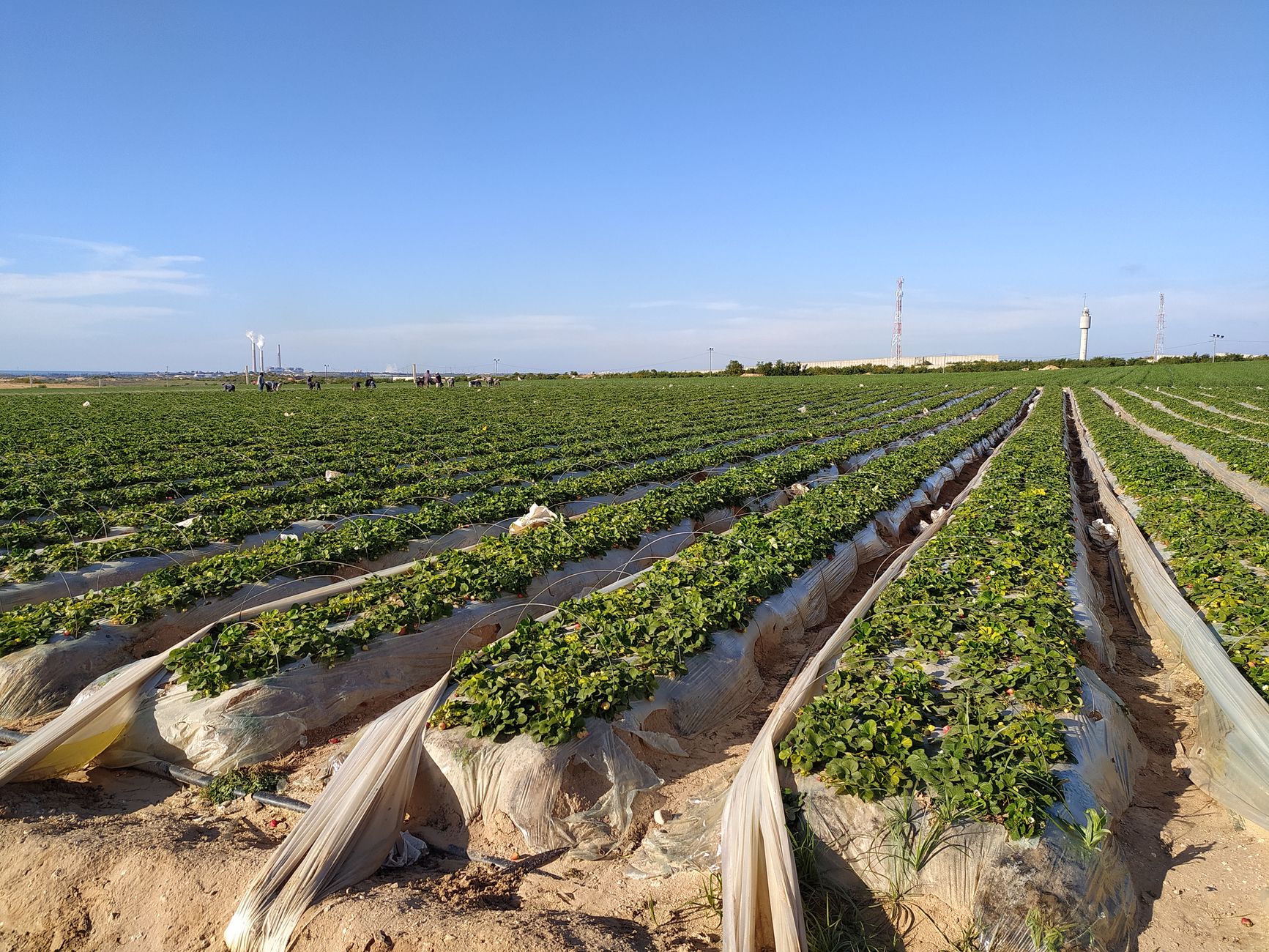
Watering: Water strawberries 1-2 inches per week, more in hot weather. Consistent moisture is essential for fruit development. Use drip irrigation or soaker hoses to keep leaves dry and prevent fungal disease.
Mulch: Apply 2-4 inches of straw, pine needles, or shredded leaves around the plants. Mulch keeps the soil moist, prevents weeds, and keeps berries clean.
Why straw? Straw is the traditional mulch for strawberries—it insulates the soil, keeps berries off the ground, and decomposes into organic matter. Avoid hay (contains weed seeds).
Black plastic: In warmer climates, black plastic mulch warms the soil, suppresses weeds, and keeps berries clean. Use drip irrigation under the plastic.
Winter protection: In cold climates, cover plants with straw or evergreen boughs in late fall to protect from frost heaving. Remove in spring when growth starts.
Fertilize Properly

When to fertilize: Apply fertilizer in early spring when plants start to grow. Also fertilize after the first harvest to promote fall production in everbearing varieties.
What to use: Use a balanced fertilizer (10-10-10 or similar). Apply 1-2 pounds per 100 square feet. Organic options: compost, aged manure, or fish emulsion.
How much: Don't over-fertilize. Too much nitrogen promotes leaves at the expense of fruit. A soil test is the best way to determine nutrient needs.
Foliar feeding: Liquid seaweed or fish emulsion can be applied as a foliar spray for a quick nutrient boost.
Signs of nutrient deficiency: Yellowing leaves (nitrogen), purple leaves (phosphorus), or brown edges (potassium).
Manage Runners and Prune

What are runners? Runners are long stems that grow out from the main plant, producing new plantlets at their tips. They're how strawberries reproduce.
June-bearing: Remove all runners in the first year to encourage strong root and crown development. In subsequent years, allow some runners to fill in the rows but maintain spacing.
Everbearing and day-neutral: Remove all runners to focus energy on fruit production. They'll produce more berries without the competition.
How to prune: Simply pinch or cut off runners as they appear. If you want new plants, allow a few runners to root in containers for transplanting.
Renovation: After fruiting, mow or cut back June-bearing plants to 2-3 inches above the crown. Thin rows to 12-18 inches between plants.
Protect from Pests and Diseases
Birds: The biggest threat. Use bird netting over the plants when fruit starts to ripen. Prop the netting up so it doesn't touch the berries.
Slugs and snails: Set beer traps, use diatomaceous earth, or hand-pick at night. Keep mulch away from crowns.
Aphids: Spray with insecticidal soap or neem oil. Encourage beneficial insects like ladybugs.
Spider mites: Blast off with water or use neem oil. In hot, dry weather, keep plants well-watered.
Gray mold (Botrytis): Remove infected fruit, improve air circulation, and avoid overhead watering.
Powdery mildew: Apply sulfur spray or neem oil. Choose resistant varieties.
Harvest and Enjoy

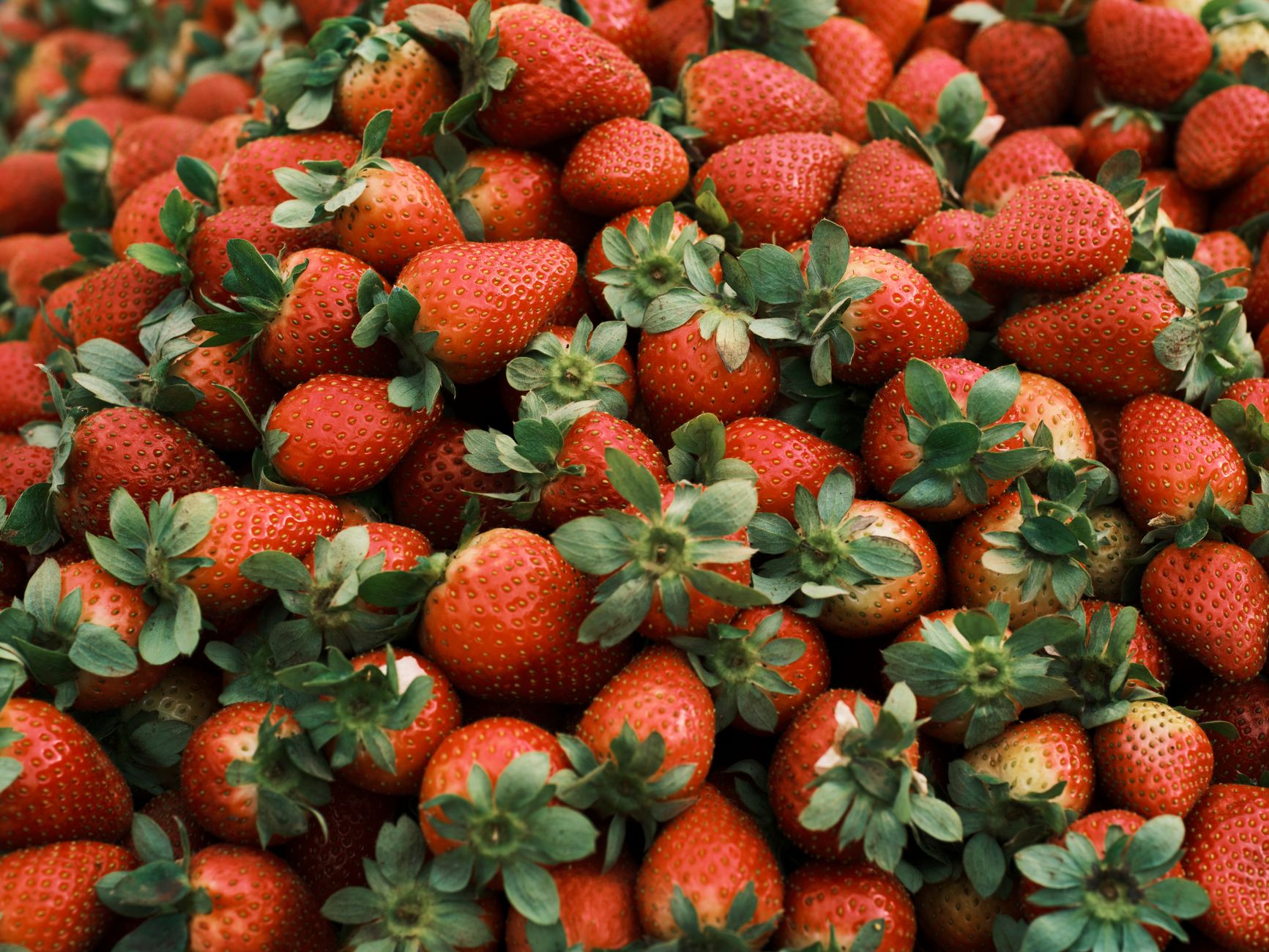
When to harvest: Strawberries are ready to pick when they are fully red, plump, and fragrant. They do NOT ripen after picking—wait until they're fully colored.
How to pick: Gently grasp the stem above the berry and twist. Leave the cap (calyx) on the berry until you're ready to eat or preserve.
When to pick: Harvest in the morning when berries are cool and firm. Refrigerate immediately.
How many: A healthy June-bearing plant produces about 1 quart of berries per season. Everbearing and day-neutral produce smaller amounts over a longer period.
Storage: Store unwashed berries in the refrigerator in a single layer. Wash just before eating. Fresh berries last 3-5 days refrigerated.
Freezing: Wash, dry, remove caps, and freeze on a baking sheet before transferring to freezer bags. They'll last 6-12 months.
Common problems and fixes
| Problem | Likely cause | What to do |
|---|---|---|
| Small berries | Too many runners, overcrowding, or poor nutrition. | Remove runners, thin plants, and fertilize appropriately. |
| Yellow leaves | Nitrogen deficiency or overwatering. | Apply balanced fertilizer and check drainage. |
| Berries rotting on the ground | Lack of mulch or too much moisture. | Add straw mulch to keep berries off the soil. |
| No fruit despite flowers | Lack of pollinators, late frost, or too much nitrogen. | Attract bees, protect from frost, and reduce nitrogen fertilizer. |
Gardener's checklist
Test what you learned
What are the three main types of strawberry varieties?
Answer: June-bearing, everbearing, and day-neutral
How much sunlight do strawberries need daily?
Answer: 6-8 hours
What is the ideal soil pH for strawberries?
Answer: 5.5-6.8
What is the best mulch for strawberries?
Answer: Straw
Do strawberries ripen after picking?
Answer: No, they must be fully ripe on the plant
Common questions
Do strawberries come back every year?
Yes, strawberries are perennials. They will come back year after year, but they produce best in their first 2-3 years. Replace plants every 3-4 years for the best yields.
How long do strawberries take to grow?
Strawberries take 60-90 days from planting to first harvest, depending on the variety and weather. June-bearing berries ripen in June, while everbearing and day-neutral produce throughout the season.
Can I grow strawberries in containers?
Absolutely! Strawberries are excellent for containers, hanging baskets, and strawberry jars. Use a well-draining potting mix, place in full sun, and water regularly. Day-neutral or everbearing varieties work best.
Why are my strawberries small?
Small berries are often caused by overcrowding, too many runners, poor nutrition, or lack of water. Remove runners, thin plants, fertilize, and water consistently.
How do I protect strawberries from birds?
Use bird netting over your strawberry patch. Prop it up so it doesn't touch the berries. You can also use scare tape, reflective pinwheels, or decoy predators.
Growing strawberries is one of the most rewarding gardening experiences. With the right variety, proper planting (crown at soil level!), consistent watering, and a good layer of straw mulch, you'll enjoy sweet, juicy berries from your own garden. Protect your crop from birds, control runners to keep plants productive, and replace plants every 3-4 years for the best yields. Whether you're a beginner or an experienced gardener, strawberries are a must-have in any fruit garden.
Frequently asked questions
How often should a vegetable garden be watered?
Frequency depends on weather, soil and plant size. Check the soil rather than watering on a rigid schedule.
Is compost enough fertilizer?
Compost improves soil and provides nutrients slowly. Heavy-feeding crops may still need additional feeding.

The Sproutstead Editorial Team
We create clear, practical gardening and homesteading guides designed for real homes and beginner growers.
View author profile →