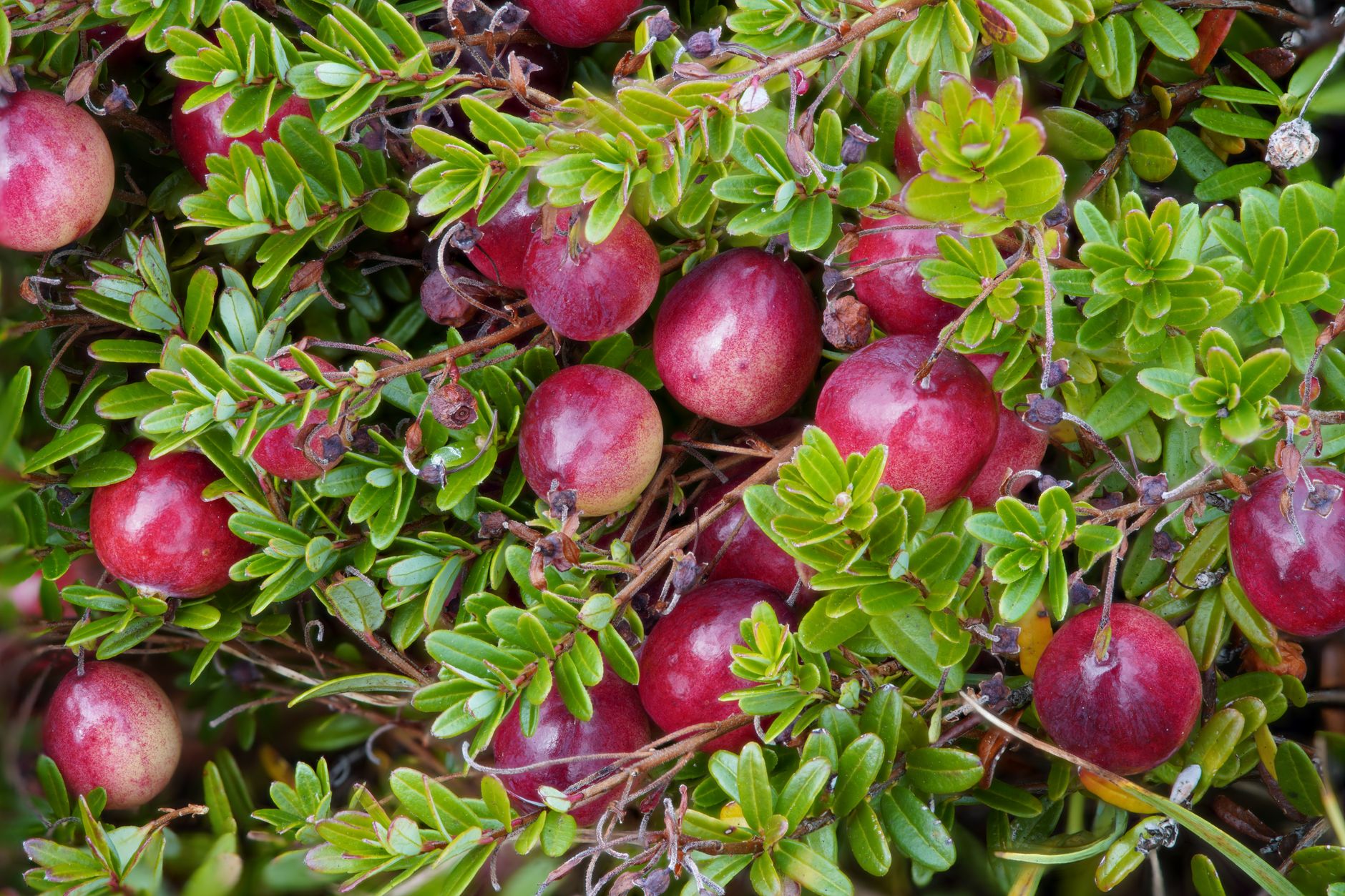
Cranberries are low-growing, evergreen shrubs that produce tart, nutrient-rich berries. They require acidic soil (pH 4.0-5.5) and consistent moisture—they're naturally bog plants. Choose varieties like Stevens, Pilgrim, or Howes. Plant in full sun (6-8 hours) with well-draining, acidic soil. Space plants 2-3 feet apart in rows 6-8 feet apart. Water regularly to keep the soil moist (not waterlogged). Mulch with pine needles or sand. Fertilize with an acid-loving plant fertilizer in spring. Prune in late winter to remove dead or crowded growth. Cranberries take 3-4 years to produce significant fruit and live for 20+ years. Protect from late frosts—blossoms are sensitive. Harvest in fall when berries are deep red and firm.
What you will need
Choose the Right Cranberry Variety

Stevens: The most popular variety. Large, tart berries. Good for fresh eating and cooking. Productive and reliable.
Pilgrim: Large, beautiful berries. Good for fresh eating and making juice. Good for warm climates.
Howes: Small, very tart berries. Good for preserves and cooking. Cold-hardy.
Early Black: Early ripening. Good for short seasons. Good for fresh eating.
Which is best? For beginners: Stevens (most productive and reliable).
Test and Prepare Soil
Test soil pH: Use a soil pH test kit or send a sample to your local extension office. Cranberries need a pH of 4.0-5.5.
Lowering pH: If your soil pH is too high, add elemental sulfur to lower it. Apply sulfur 6-12 months before planting.
How much sulfur: To lower pH from 7.0 to 4.5, add about 2 pounds of sulfur per 100 square feet. Retest after 6 months.
Organic options: Peat moss, pine needles, and oak leaves are acidic. Incorporate them into the soil to lower pH.
Drainage: Cranberries need well-draining soil but also consistent moisture. Plant in raised beds if drainage is poor.
Plant Cranberries Correctly

When to plant: Plant in early spring (as soon as the ground can be worked) or fall.
Planting depth: Dig a hole twice as wide as the root ball and the same depth. Plant at the same depth as in the nursery pot.
Spacing: Space plants 2-3 feet apart in rows 6-8 feet apart.
Soil preparation: Mix peat moss or pine needles into the planting hole. Cranberries love acidic organic matter.
Watering after planting: Water deeply to settle the soil around the roots.
Water and Mulch

Water: Cranberries need consistent moisture. Water regularly to keep the soil moist but not waterlogged.
Mulch: Apply 2-3 inches of pine needles, sand, or peat moss around the plants. These are acidic and help maintain soil pH.
Keep away from crowns: Don't pile mulch directly against the plant crowns.
Drip irrigation: Consider drip irrigation for consistent watering.
Fertilize Properly

When to fertilize: Apply fertilizer in early spring before new growth starts.
What to use: Use a fertilizer formulated for acid-loving plants (like blueberries or rhododendrons).
How much: Apply 1/4 to 1/2 cup per plant in spring.
Organic options: Cottonseed meal, fish emulsion, or composted pine needles are excellent alternatives.
Signs of nutrient deficiency: Yellowing leaves or poor growth.
Prune Cranberries

When to prune: Prune in late winter (February-March) while the plant is dormant.
What to remove: Remove dead, diseased, or damaged branches. Remove crowded growth to improve air circulation.
Renovation: Every 3-4 years, thin out older growth to encourage new shoots.
Fruiting wood: Fruit is produced on new growth. Prune to encourage vigorous new shoots.
How much: Remove about 20% of the oldest wood each year.
Protect from Pests and Frost

Birds: The biggest threat. Use bird netting over the plants when berries start to ripen.
Cranberry fruitworm: A common pest. Use pheromone traps or insecticide.
Spotted wing drosophila: A vinegar fly that attacks ripening berries. Remove fallen fruit.
Frost protection: Cranberry blossoms are sensitive to late frosts. Use row covers or frost cloth.
Weed control: Keep the bed weed-free. Hand-pull weeds to avoid root disturbance.
Harvest and Enjoy
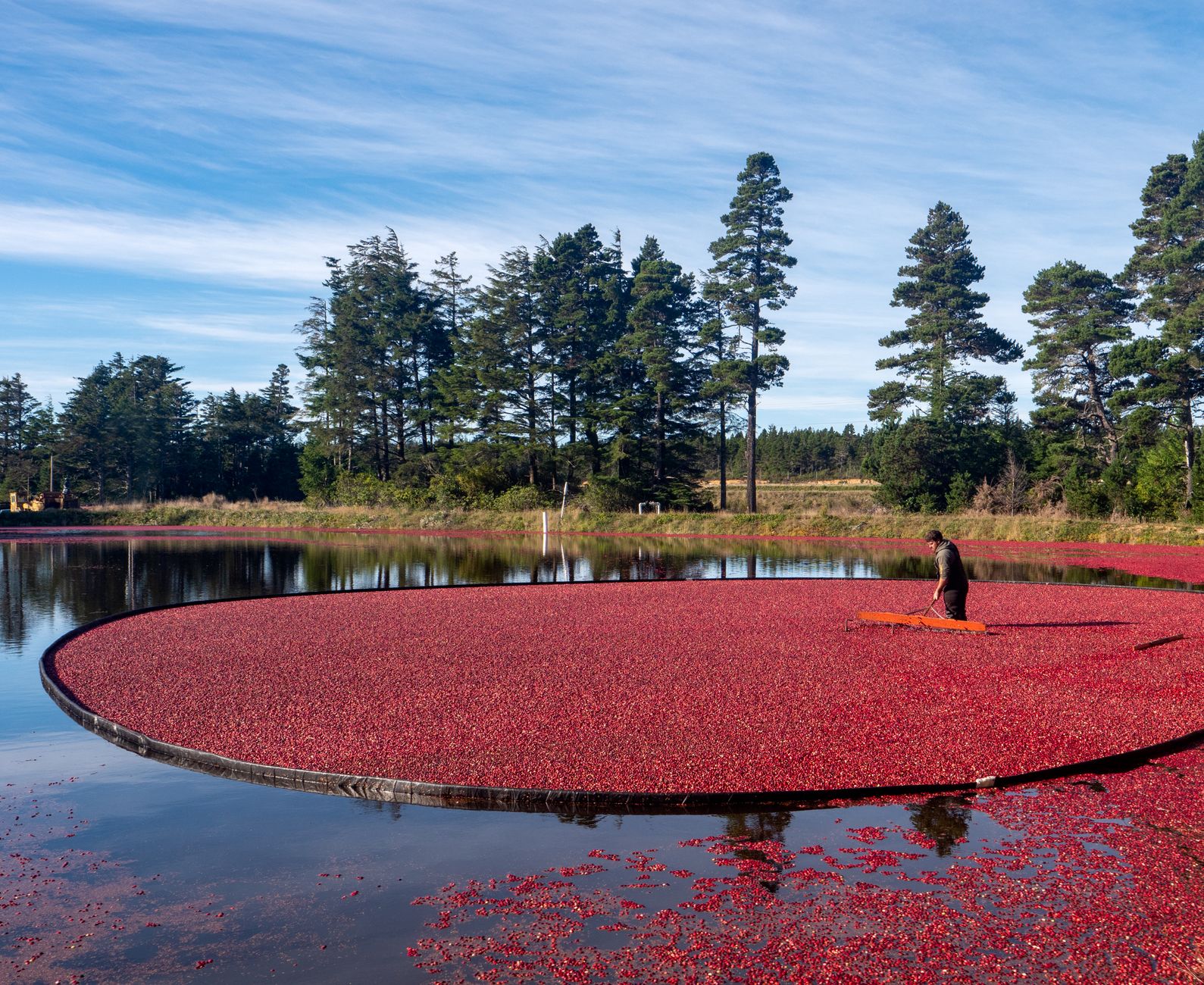
When to harvest: Cranberries ripen in fall (September-November). They're ready when they're deep red and firm.
The test: Ripe cranberries bounce—they're firm and springy. Unripe berries are pale and soft.
How to pick: Gently twist or cut the berries from the plant. Cranberries can be harvested wet or dry.
Yield: A mature cranberry plant produces 1-2 pounds of berries per year.
Storage: Store cranberries in the refrigerator for 1-2 months or freeze for up to a year.
How to use: Fresh eating, sauces, juices, baking, and preserves.
Common problems and fixes
| Problem | Likely cause | What to do |
|---|---|---|
| Yellow leaves (chlorosis) | Soil pH too high, iron deficiency. | Lower soil pH with sulfur. Apply iron chelate. |
| Small berries | Lack of water or poor nutrition. | Water consistently and fertilize with acid-loving plant fertilizer. |
| No fruit despite flowers | Lack of pollinators or late frost. | Attract bees and protect from frost. |
| Birds eating all the berries | No netting. | Use bird netting immediately. |
Gardener's checklist
Test what you learned
What is the ideal soil pH for cranberries?
Answer: 4.0-5.5
How much sun do cranberries need daily?
Answer: 6-8 hours
What type of mulch is best for cranberries?
Answer: Pine needles or sand
What is the biggest pest threat to cranberries?
Answer: Birds
How long does it take for cranberries to produce fruit?
Answer: 3-4 years
Common questions
Can I grow cranberries in containers?
Yes, use a large container (12-15 gallons) with acidic potting mix. Water regularly and fertilize with acid-loving plant fertilizer.
Do cranberries need full sun?
Yes, cranberries need 6-8 hours of direct sunlight daily for the best fruit production.
How often should I water cranberries?
Cranberries need consistent moisture—water regularly to keep the soil moist but not waterlogged. They are bog plants and don't like to dry out.
Can I grow cranberries in warm climates?
Yes, choose heat-tolerant varieties like 'Pilgrim' and provide afternoon shade in very hot climates.
Do cranberries need cross-pollination?
Most cranberry varieties are self-pollinating, but planting multiple varieties can improve fruit set and yield.
Growing cranberries is a rewarding experience that provides tart, healthy berries for years. The secret to success is acidic soil (pH 4.0-5.5) and consistent moisture. Test your soil and lower pH with sulfur before planting. Choose a variety like Stevens, plant in full sun, water regularly, and mulch with pine needles or sand. Be patient—cranberries take 3-4 years to produce significant fruit but will reward you with delicious berries for 20+ years.
Frequently asked questions
How often should a vegetable garden be watered?
Frequency depends on weather, soil and plant size. Check the soil rather than watering on a rigid schedule.
Is compost enough fertilizer?
Compost improves soil and provides nutrients slowly. Heavy-feeding crops may still need additional feeding.

The Sproutstead Editorial Team
We create clear, practical gardening and homesteading guides designed for real homes and beginner growers.
View author profile →