
Basil is a fragrant, warm-weather herb that is easy to grow in gardens and containers. Plant basil seeds or transplants in spring after the last frost, when the soil has warmed to 60°F. Choose a location with full sun (6-8 hours) and well-draining soil. Plant seeds 1/4 inch deep and space plants 12-18 inches apart. Water deeply once a week at the base. Pinch back growing tips to encourage bushy growth and more leaves. Harvest leaves regularly to keep the plant producing. Basil is excellent for pesto, salads, and Italian cuisine.
What you will need
Choose the Right Basil Varieties
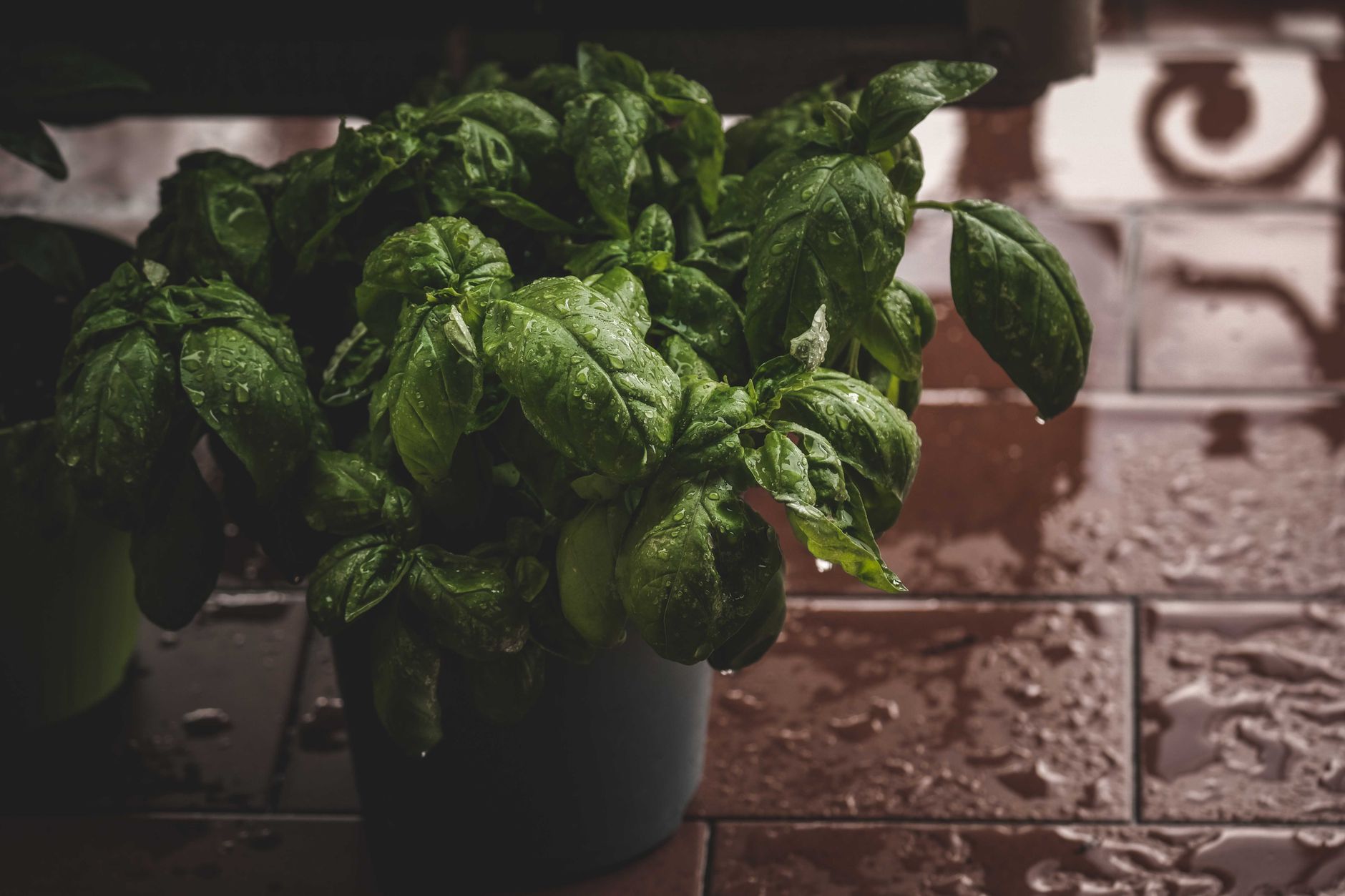
Sweet basil is the most common variety with large, green leaves and a classic basil flavor. It is excellent for pesto and Italian dishes. This is the variety most people think of when they imagine basil. It grows 18-24 inches tall and produces abundant leaves throughout the summer.
Genovese basil is the classic pesto basil with large, dark green leaves and a robust flavor. It is the preferred variety for making pesto because of its intense flavor and high oil content. Genovese basil grows 18-24 inches tall and is a staple of Italian gardens.
Purple basil has dark purple leaves and a milder, slightly spicy flavor. It adds beautiful color to gardens and salads. Purple basil grows 12-18 inches tall and is excellent for ornamental plantings.
Lemon basil has a citrusy flavor and aroma. It is excellent for teas, salads, and Asian dishes. Lemon basil grows 12-18 inches tall and adds a refreshing twist to many recipes.
Thai basil has a spicy, anise-like flavor with a hint of licorice. It is used in Thai and Vietnamese cuisine, especially in pho and curries. Thai basil grows 12-18 inches tall and has purple stems and flowers.
Cinnamon basil has a spicy, cinnamon-like flavor and is excellent for teas and desserts. It grows 18-24 inches tall and has a unique flavor that sets it apart from other basils.
Dwarf basil grows 6-10 inches tall and is perfect for containers, windowsills, and small spaces. Popular dwarf varieties include Spicy Globe and Dwarf Greek. These compact plants produce abundant leaves in a small space.
Select the Perfect Planting Location

Basil needs full sun to thrive. It requires at least 6-8 hours of direct sunlight daily for the best growth, flavor, and leaf production. In hot climates, basil appreciates some afternoon shade to prevent stress and wilting.
Well-draining soil is essential for basil. This herb does not tolerate wet feet and can develop root rot in poorly drained soil. If you have heavy clay soil, amend it with compost and coarse sand, or plant basil in raised beds or containers.
Basil prefers rich, fertile soil with plenty of organic matter. Before planting, work 2-3 inches of compost or aged manure into the soil to provide the nutrients basil needs for healthy growth.
Basil is a warm-weather herb. Plant after the last frost when the soil has warmed to at least 60°F. Basil is sensitive to cold and will be stunted or killed by frost.
Basil is excellent for gardens, containers, herb gardens, and vegetable gardens. It grows well alongside tomatoes, peppers, and other vegetables. Basil and tomatoes are classic companion plants, and many gardeners believe basil improves the flavor of tomatoes.
Plant Basil at the Right Time

Plant basil seeds or transplants in spring after the last frost, when the soil has warmed to at least 60°F. In most regions, this is April to May. Basil is a warm-weather herb and will not tolerate cold soil.
Start seeds indoors 6-8 weeks before the last frost for an earlier harvest. This is especially useful in cooler climates where the growing season is shorter. Use a seed-starting mix and keep the soil warm (70-75°F) for best germination.
Transplants are the easiest option for most gardeners. They establish quickly and begin producing leaves within a few weeks. Buy healthy transplants from a nursery or garden center, or grow your own from seed.
Seeds germinate in 5-10 days at 65-70°F. For faster germination, keep the soil consistently moist and provide bottom heat if possible.
In warm climates with long growing seasons, you can plant basil in early spring and again in late summer for a fall harvest. Basil grows quickly and produces abundantly throughout the summer.
Plant Seeds at the Correct Depth and Spacing

Plant basil seeds 1/4 inch deep. Do not plant deeper than 1/2 inch because the seeds need light to germinate. If you plant too deep, germination will be poor or the seeds may not germinate at all.
Space plants 12-18 inches apart. For rows, space rows 18-24 inches apart. Proper spacing ensures good air circulation, which prevents fungal diseases and allows each plant to reach its full size.
Plant 2-3 seeds per hole and thin to the strongest seedling when they are 2-3 inches tall. Thinning ensures that the remaining plants have enough space to develop into large, productive plants.
For transplants, plant at the same depth as the pot. The crown should be at soil level. Planting too deep can cause stem rot.
Water gently after planting to settle the soil around the roots. Use a fine mist or gentle spray to avoid disturbing the seeds or transplants.
Water and Fertilize Basil
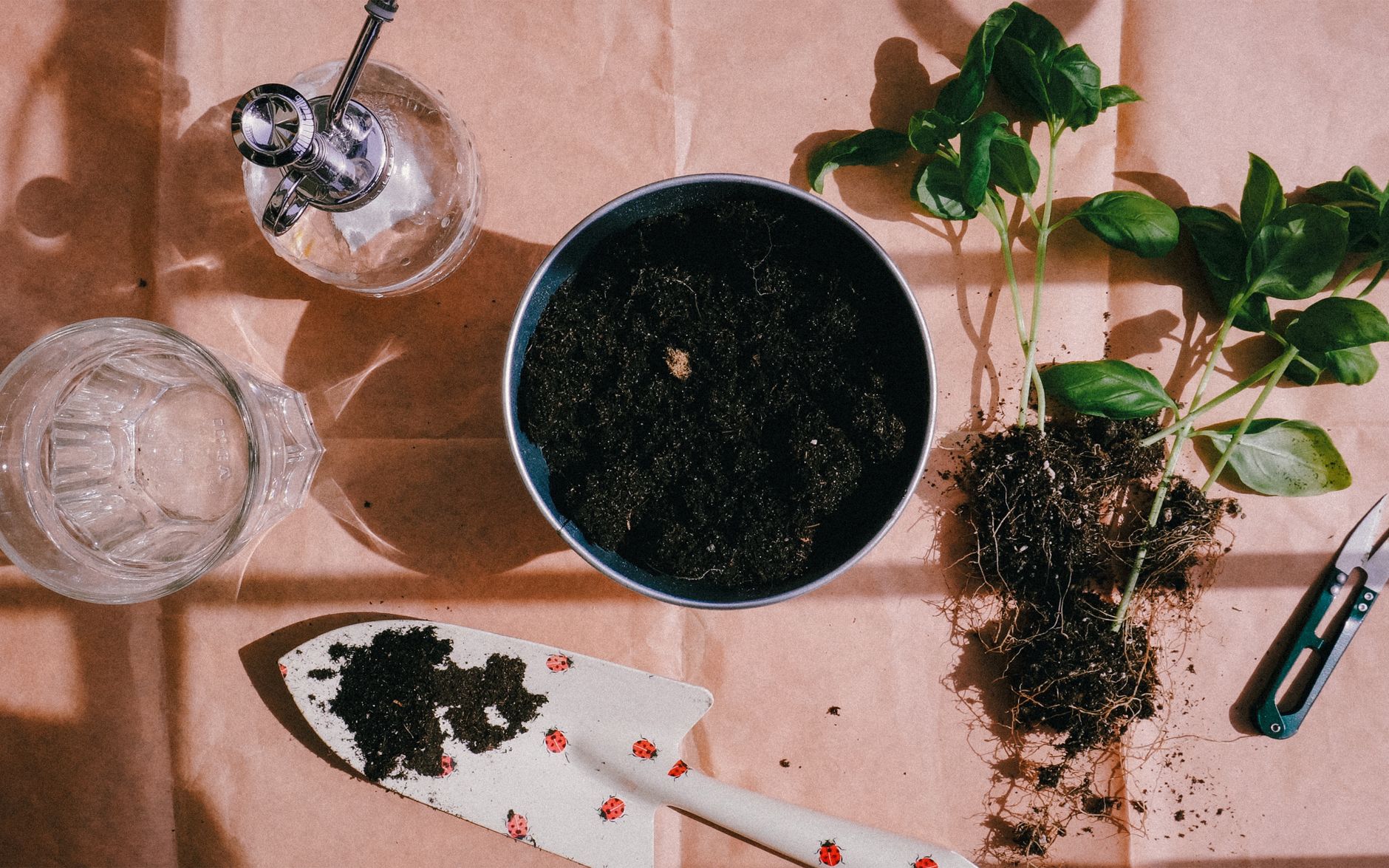
Water basil deeply once a week, providing about 1 inch of water. In hot weather, water twice a week. Basil prefers consistent moisture but does not like waterlogged soil. The soil should be moist but not soggy.
Water at the base of the plant, not overhead, to prevent fungal diseases. Overhead watering can splash soil onto the leaves and encourage diseases like downy mildew.
Apply a 2-inch layer of mulch around the plants. Mulch retains moisture, keeps roots cool, and suppresses weeds. Use organic mulch like straw, shredded leaves, or compost.
Fertilize with a balanced fertilizer like 10-10-10 at planting time. Apply a second light feeding in mid-summer. Basil is a moderate feeder and does not need heavy fertilization.
Avoid high-nitrogen fertilizers. Too much nitrogen causes lush foliage but can affect flavor. Basil grown in rich soil with balanced nutrients produces the best-tasting leaves.
Pinch and Harvest Basil

Pinch back basil when the plant reaches 6-8 inches tall. Remove the center growing tip just above a set of leaves. This encourages branching and produces a bushier plant with more leaves. Pinching is the most important practice for growing productive basil.
Pinch off any flower buds as soon as they appear. Flowering reduces leaf production and alters the flavor of the leaves. When basil flowers, the leaves become smaller, tougher, and more bitter.
Harvest leaves regularly to keep the plant producing. Cut leaves from the top of the plant, just above a leaf node. This encourages the plant to produce new branches and more leaves.
Do not harvest more than one-third of the plant at a time. This allows the plant to recover and continue growing. Over-harvesting can stress the plant and reduce future yields.
For large harvests, cut the stem just above a leaf pair. The plant will regrow from that point, producing two new branches from the cut point.
Use fresh basil immediately for the best flavor. Basil is best used fresh, but it can also be preserved by freezing or drying.
Prevent Bolting

Bolting is when basil sends up a flower stalk. When basil bolts, the leaves become smaller, tougher, and more bitter, and the plant stops producing new leaves. This is the end of the productive season for that plant.
Bolting is triggered by hot weather above 85°F and long days with 14+ hours of daylight. In many climates, basil will naturally bolt in late summer.
To prevent bolting, pinch off flower buds as soon as they appear. Regular harvesting and pinching keep the plant in a vegetative growth phase.
Harvest regularly to keep the plant producing leaves. Frequent harvesting delays bolting and extends the productive season.
Provide afternoon shade in hot climates to keep the plant cooler. A shade cloth or planting near taller plants can help reduce heat stress.
Once basil bolts, the leaves become bitter. You can allow the plant to flower and go to seed, or pull it and start a new crop. Basil grows quickly from seed, so starting a new crop is often the best option.
Prevent and Manage Common Problems
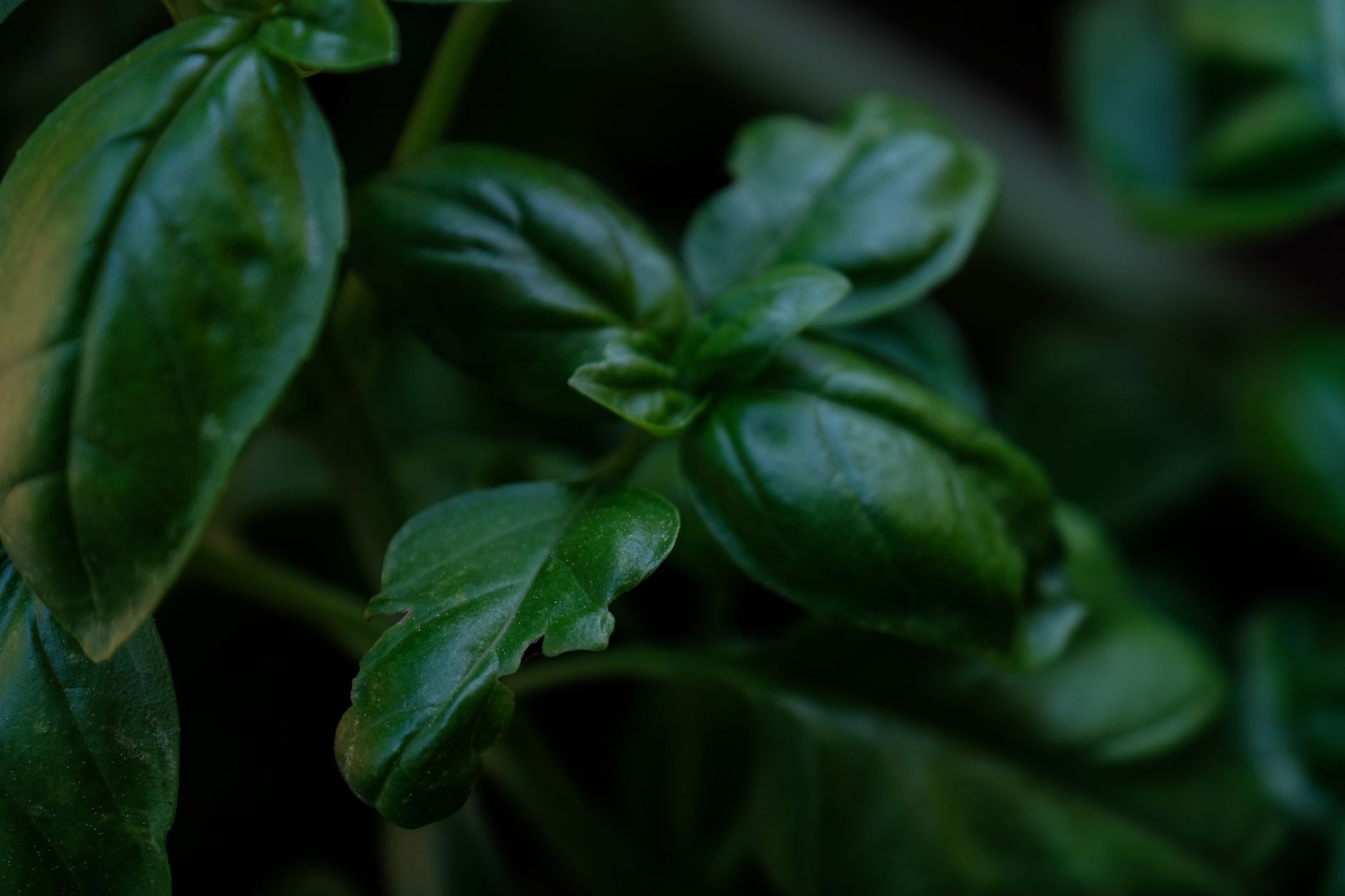
Aphids can attack basil, especially in spring and early summer. These small insects cluster on the undersides of leaves and suck sap from the plant. Use insecticidal soap or a strong spray of water to control them. Ladybugs and other beneficial insects also help control aphids naturally.
Downy mildew is a fungal disease that causes yellowing leaves with a fuzzy gray growth on the underside. It is the most serious disease affecting basil. Prevent it by providing good air circulation, watering at the base, and avoiding overhead watering. If downy mildew appears, remove affected leaves and apply a fungicide.
Japanese beetles can eat basil leaves. Hand-pick them off the plants or use traps. In severe infestations, use an insecticide labeled for Japanese beetles.
Root rot occurs in poorly drained soil or when the plant is overwatered. Ensure good drainage and do not overwater. If root rot occurs, the plant will wilt and turn yellow. Remove affected plants and improve drainage.
Basil may bolt in hot weather. Pinch flowers and harvest regularly to keep the plant productive.
Common problems and fixes
| Problem | Likely cause | What to do |
|---|---|---|
| Leaves are turning yellow. | Overwatering or nutrient deficiency. | Reduce watering. Apply a balanced fertilizer. |
| Leaves have brown spots. | Downy mildew or fungal disease. | Improve air circulation. Water at the base. Apply fungicide if needed. |
| Plant is flowering. | Hot weather or stress. | Pinch off flowers immediately. Harvest regularly. |
| Leaves are wilting. | Underwatering or root rot. | Check soil moisture. Water if dry. Improve drainage if needed. |
Gardener's checklist
Test what you learned
How much sun does basil need?
Answer: 6-8 hours
What should you do to keep basil bushy?
Answer: Pinch back growing tips
What should you do when basil starts to flower?
Answer: Pinch off flowers
When is the best time to plant basil?
Answer: Spring after last frost
Common questions
Can I grow basil indoors?
Yes. Choose a container with drainage holes and well-draining potting mix. Place in a sunny window with 6-8 hours of light. Use a grow light if needed. Water regularly and pinch back growing tips.
How do I harvest basil without killing the plant?
Harvest from the top, cutting just above a leaf node. Do not harvest more than one-third of the plant at a time. This allows the plant to recover and continue growing.
How do I store fresh basil?
Store fresh basil in a glass of water on the counter, like cut flowers. It will last 5-7 days. Alternatively, wrap in a damp paper towel and store in the refrigerator.
Can I freeze basil?
Yes. Blanch leaves in boiling water for 2 seconds, then plunge into ice water. Dry and freeze in bags. Alternatively, chop and freeze in olive oil in ice cube trays.
Why is my basil bitter?
Basil becomes bitter when it flowers (bolts). Pinch off flowers immediately to prevent bitterness. Harvest regularly to keep the plant producing tender, flavorful leaves.
Basil is a fragrant, warm-weather herb that is easy to grow in gardens and containers. Plant in spring after the last frost in a sunny location with 6-8 hours of sun and well-draining soil. Pinch back growing tips to encourage bushy growth, and pinch off flower buds to keep the plant producing leaves. Harvest leaves regularly for the best flavor. Basil is excellent for pesto, salads, and Italian cuisine. With proper care, it will provide fresh, flavorful leaves all season long.
Frequently asked questions
How often should a vegetable garden be watered?
Frequency depends on weather, soil and plant size. Check the soil rather than watering on a rigid schedule.
Is compost enough fertilizer?
Compost improves soil and provides nutrients slowly. Heavy-feeding crops may still need additional feeding.

The Sproutstead Editorial Team
We create clear, practical gardening and homesteading guides designed for real homes and beginner growers.
View author profile →

