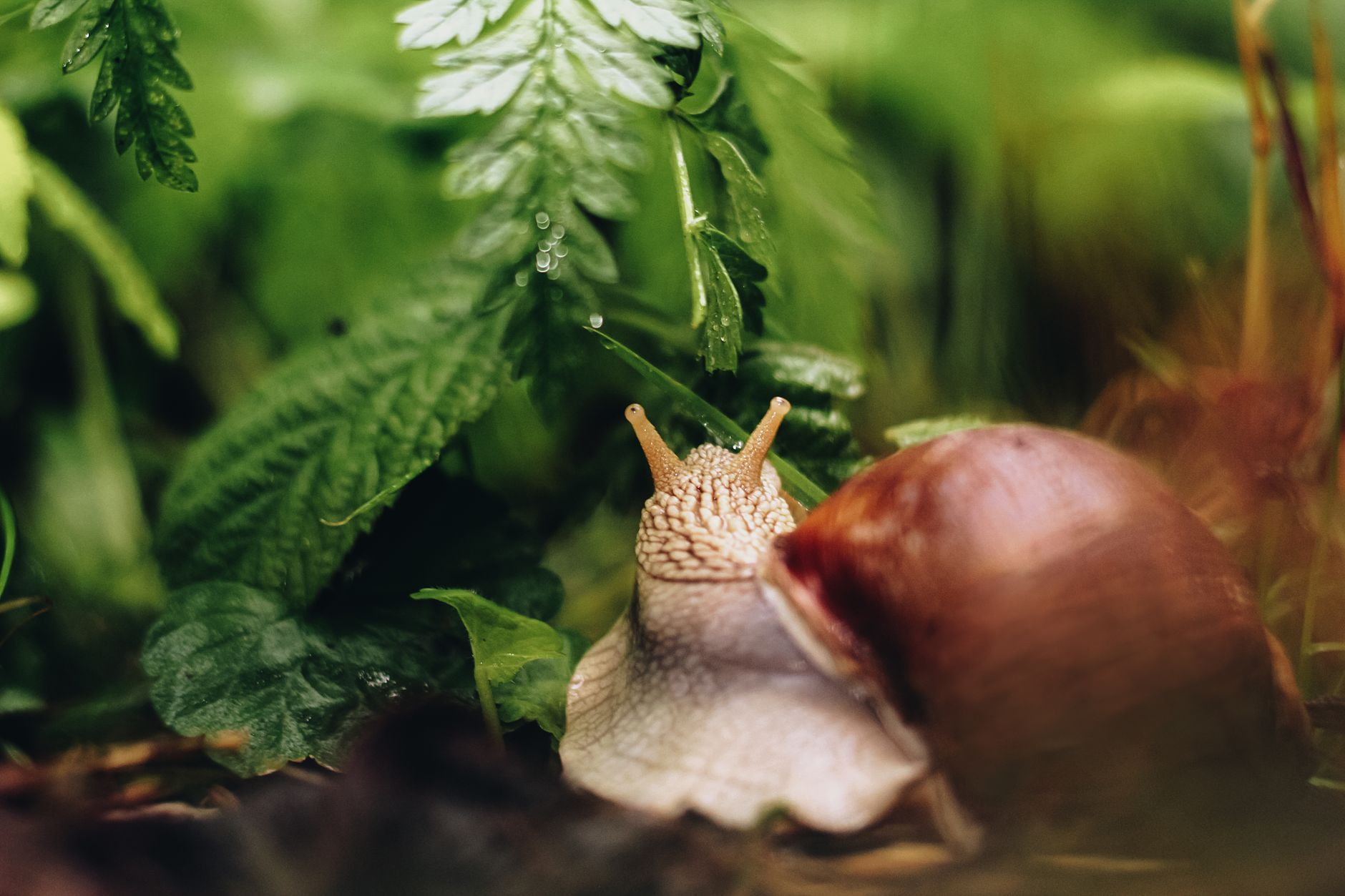
Snails are destructive pests that feed on leaves, seedlings, and vegetables, especially in damp, cool conditions. To control snails naturally, use beer traps (sink containers filled with beer), copper barriers (tape or mesh around plants), and diatomaceous earth (spread around plants to dehydrate snails). Hand-pick snails at night when they're most active and drop them in soapy water. Encourage natural predators like ground beetles, toads, and birds. Water in the morning so the soil dries by night. Use iron phosphate-based snail baits (safe for pets and wildlife). Prevention is key: remove hiding places and maintain good garden hygiene.
What you will need
Understand Snail Behavior

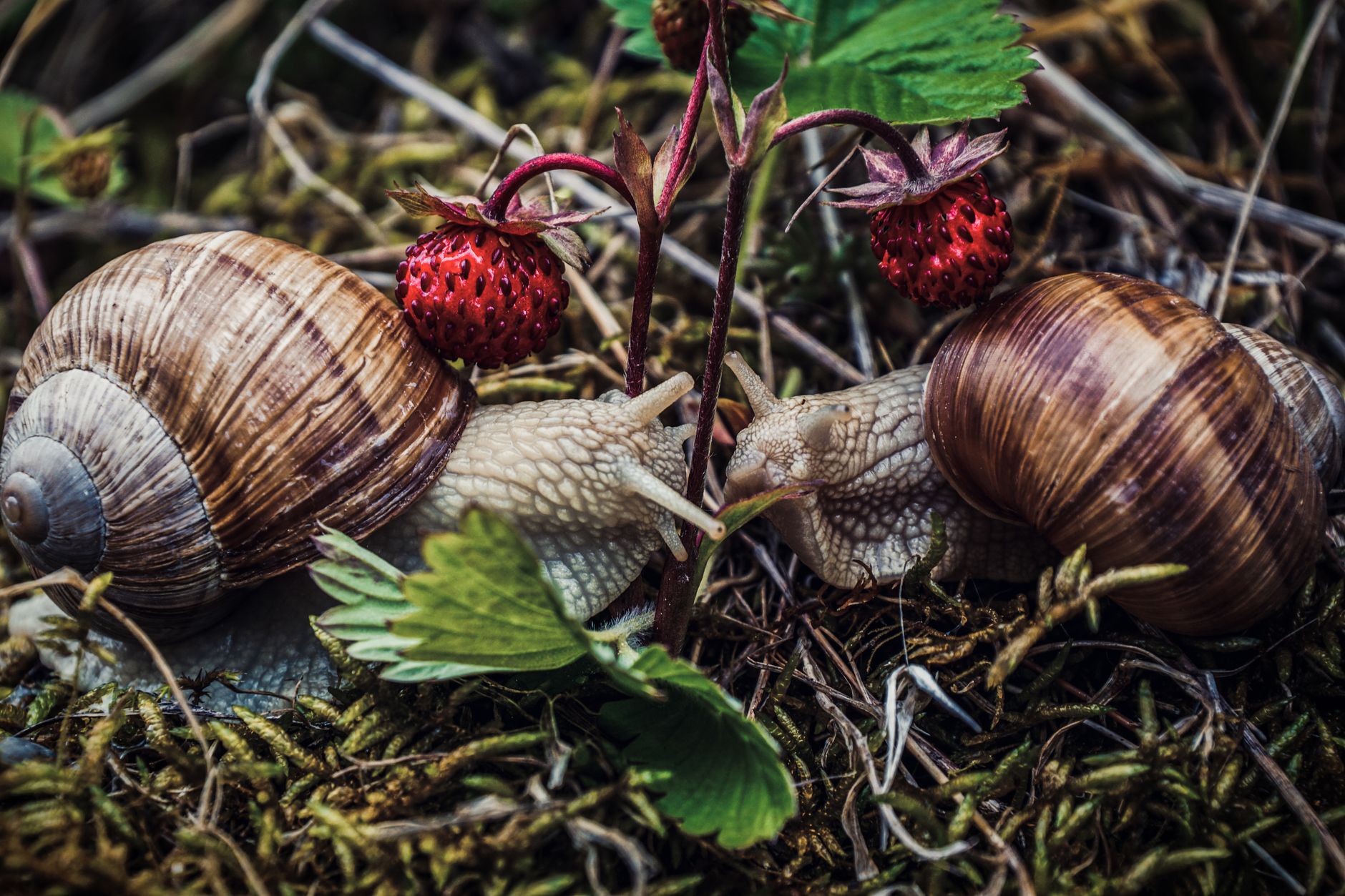
What they eat: Leaves, seedlings, vegetables (especially lettuce, hostas, strawberries), and fruits.
When they feed: Snails are nocturnal—most active at night, especially after rain or in damp conditions.
Ideal conditions: Cool (55-65°F), damp, and humid conditions. They thrive in wet weather.
Why they're a problem: A single snail can eat large amounts of foliage overnight. They can quickly destroy seedlings and young plants.
Where they hide: Under mulch, rocks, boards, and in dense foliage during the day.
Hand-Pick Snails

When to pick: Go out at night with a flashlight—snails are most active then.
How to do it: Pick snails off plants and drop them in a container of soapy water or salt water.
Where to look: Under leaves, on stems, and around the base of plants.
Frequency: Check your garden daily (especially after rain) during snail season.
After rain: Snails are especially active after rain. This is a prime time for hand-picking.
Set Beer Traps

How it works: Snails are attracted to the yeast in beer. They crawl in and drown.
How to set: Sink a container (like a yogurt cup or jar lid) into the soil so the rim is level with the ground. Fill with beer.
Placement: Place traps 5-10 feet apart in areas of snail activity.
Best beer: Any cheap beer works—snails are attracted to the yeast.
Maintenance: Empty and refill traps every 2-3 days. Replace after rain.
Use Copper Barriers
How it works: Copper creates a mild electrical shock when snails come into contact with it, repelling them.
What to use: Copper tape, copper mesh, or copper foil. Available at garden centers.
How to use: Place copper tape around raised beds, pots, or individual plants.
Width: Use tape that is at least 1 inch wide for best results.
Maintenance: Clean copper surfaces regularly—dirt reduces effectiveness.
Apply Diatomaceous Earth

How it works: Diatomaceous earth is made from fossilized algae. The sharp edges cut the snail's slime layer, causing dehydration.
How to use: Sprinkle a ring of diatomaceous earth around plants, garden beds, or individual plants.
Food-grade: Use food-grade diatomaceous earth—it's safe for pets and wildlife.
Reapplication: Reapply after rain and every 1-2 weeks.
Caution: Avoid applying directly on plants—it can dry out plant tissues. Keep away from flowers to protect pollinators.
Use Iron Phosphate Snail Bait

How it works: Iron phosphate is a natural compound that kills snails. It's safe for pets, wildlife, and the environment.
How to use: Scatter pellets around plants and garden beds. Follow package instructions.
Brands: Look for products containing iron phosphate (like Sluggo).
Application: Apply in the evening when snails are active.
Benefits: It's organic and breaks down into fertilizer.
Encourage Natural Predators
Ground beetles: These beetles eat snail eggs and young snails. Plant ground cover to attract them.
Toads: Toads eat snails. Provide a shallow water source and shelter (flower pots, rocks) to attract them.
Birds: Robins, thrushes, and other birds eat snails. Provide bird feeders and birdbaths.
Hedgehogs: In some areas, hedgehogs eat snails. Provide habitat (leaf piles, log piles).
Nematodes: Apply beneficial nematodes (Phasmarhabditis hermaphrodita) to the soil—they parasitize and kill snails.
Modify Your Garden Environment

Water in the morning: Water in the morning so the soil dries by night—snails prefer moist conditions.
Remove debris: Remove boards, rocks, and dense foliage where snails hide.
Keep grass short: Short grass provides less cover for snails.
Space plants: Adequate spacing improves air circulation, reducing snail-friendly moisture.
Use raised beds: Raised beds have better drainage and fewer snails.
Gravel barrier: Crushed eggshells or sharp gravel around plants can deter snails.
Common problems and fixes
| Problem | Likely cause | What to do |
|---|---|---|
| Snails returning quickly | Hidden eggs or re-infestation from nearby areas. | Remove hiding places and treat weekly. Use multiple methods. |
| Beer traps not working | Traps too far apart or filled with water. | Place traps 5-10 feet apart and use fresh beer. |
| Copper barriers not working | Dirty copper or gaps in the barrier. | Clean copper and ensure a continuous barrier. |
| Snails eating snail-resistant plants | Young, tender plants or high pressure. | Protect individual plants with copper tape or diatomaceous earth. |
Gardener's checklist
Test what you learned
What is one of the most effective snail control methods?
Answer: Beer traps
What does copper do to snails?
Answer: Repels them with a mild shock
When are snails most active?
Answer: Night
What is a natural snail killer?
Answer: Diatomaceous earth
What is a safe, organic snail bait?
Answer: Iron phosphate
Common questions
Do beer traps really work for snails?
Yes, beer traps are one of the most effective snail control methods. Snails are attracted to the yeast in beer, crawl in, and drown.
Does salt kill snails?
Yes, salt kills snails by dehydrating them. However, it's not recommended—salt can damage soil and plants.
Do eggshells deter snails?
Crushed eggshells can create a barrier that snails don't like to cross. They're not as effective as copper or diatomaceous earth but can help.
Do snails eat plants in the rain?
Yes, snails are most active in wet conditions. After rain is the best time to hand-pick snails.
Are snails harmful to humans?
Snails are not directly harmful to humans, but they can carry parasites. Wash your hands after handling them and wash garden produce thoroughly.
Snails can damage garden plants, but you can control them naturally with a combination of methods. Set beer traps, apply copper barriers, and spread diatomaceous earth around plants. Hand-pick snails at night and encourage natural predators like ground beetles, toads, and birds. Water in the morning, remove debris, and keep grass short to reduce snail habitat. For severe infestations, use iron phosphate snail bait—it's safe for pets, wildlife, and the environment. With persistence and a multi-method approach, you can keep snails out of your garden.
Frequently asked questions
How often should a vegetable garden be watered?
Frequency depends on weather, soil and plant size. Check the soil rather than watering on a rigid schedule.
Is compost enough fertilizer?
Compost improves soil and provides nutrients slowly. Heavy-feeding crops may still need additional feeding.

The Sproutstead Editorial Team
We create clear, practical gardening and homesteading guides designed for real homes and beginner growers.
View author profile →