Flea beetles are tiny, jumping beetles that chew small holes in leaves, especially on young plants. To get rid of them, use floating row covers to protect young plants. Apply neem oil or spinosad for organic control. Use diatomaceous earth around plants. Introduce beneficial nematodes (Steinernema feltiae) to control larvae in the soil. Attract natural predators like ground beetles and parasitic wasps. Remove plant debris and rotate crops. Prevention is key: use row covers early in the season, and plant trap crops (like radishes) to lure beetles away from main crops. Flea beetles are most active in spring and early summer.
What you will need
Identify Flea Beetles and Signs of Damage
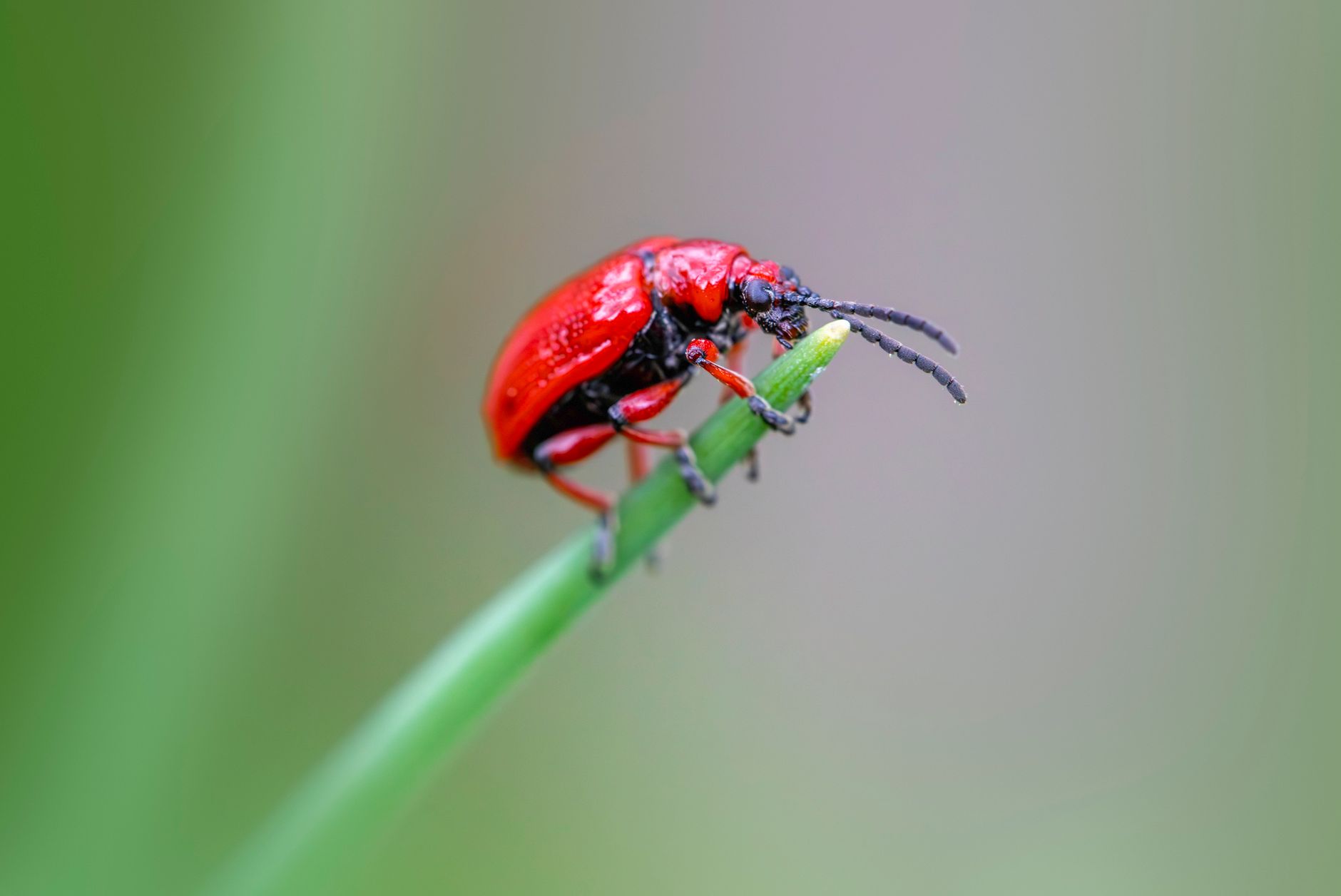
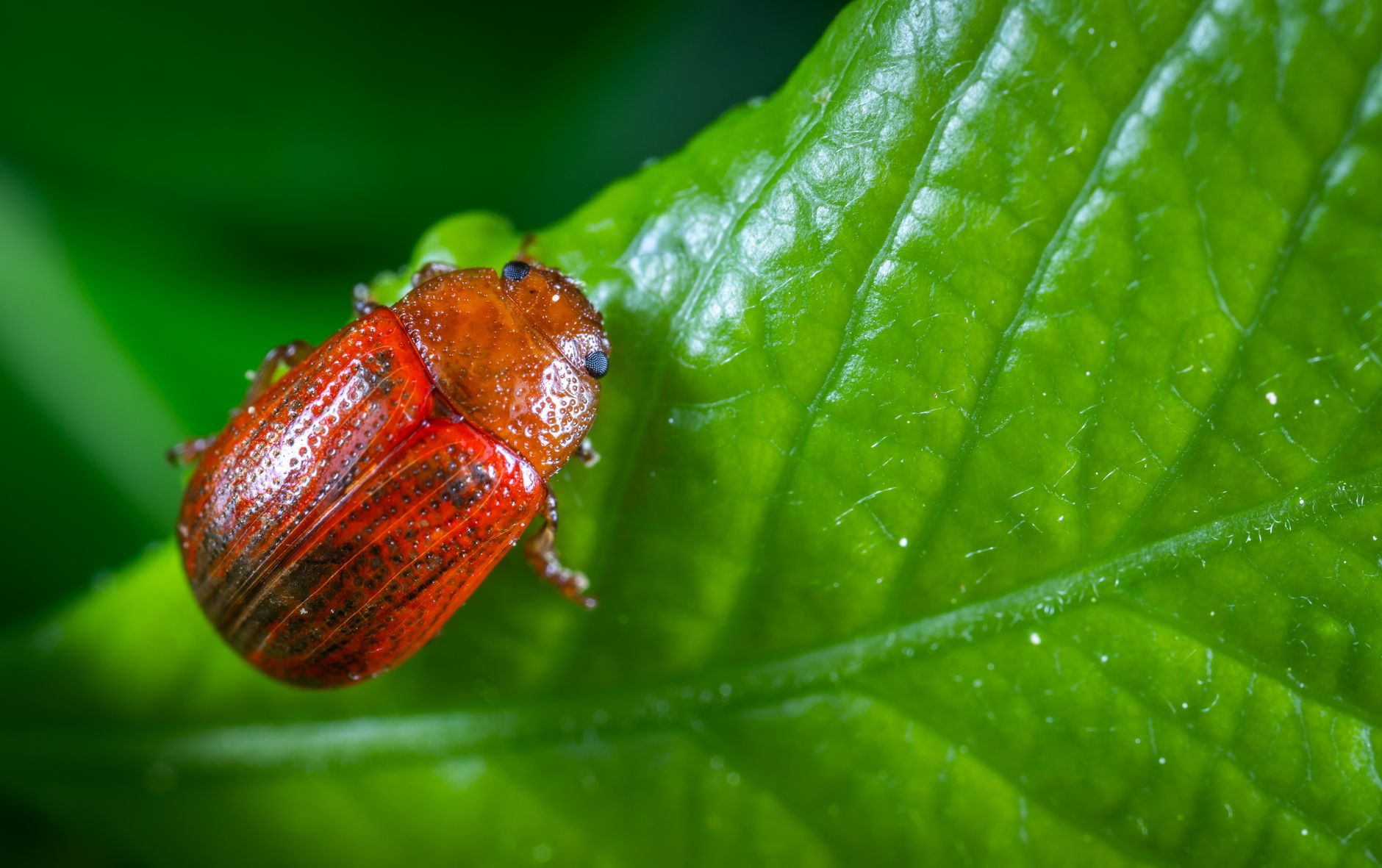
What they look like: Tiny (1/16 inch) beetles, usually black, brown, or metallic. They jump like fleas when disturbed.
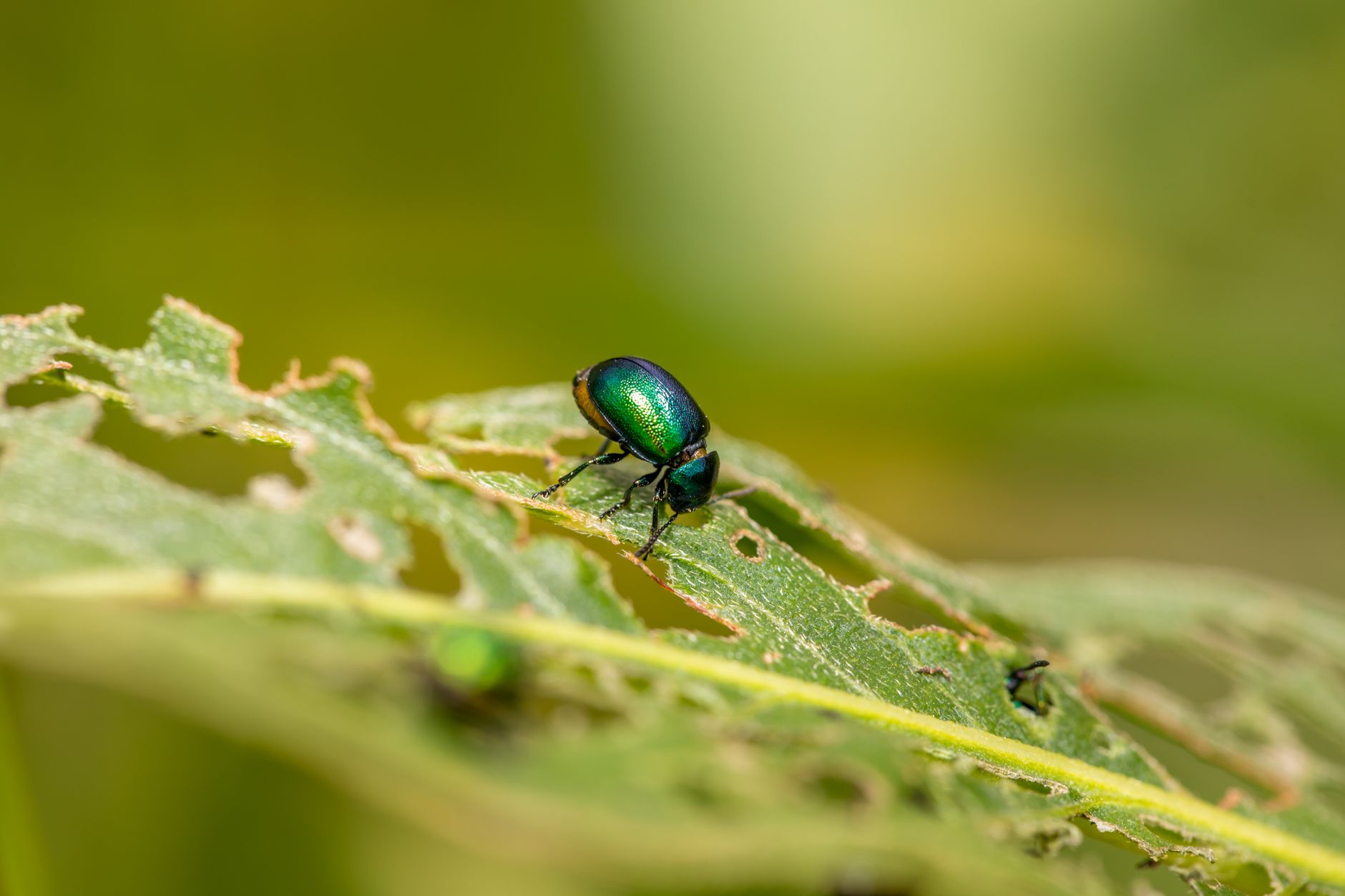
Signs of damage: Small, round holes (shot-hole damage) in leaves. Young plants are most vulnerable.
Common hosts: Eggplant, tomatoes, peppers, potatoes, cabbage, and other vegetables.
When they're active: Spring to early summer. Most active in warm, sunny weather.
Why they're a problem: They can defoliate young plants and reduce yields.
Use Floating Row Covers
How it works: Row covers create a physical barrier that prevents flea beetles from reaching plants.
How to use: Drape row covers over plants and secure the edges with soil or rocks.
Best for: Young plants and early in the season.
Removal: Remove covers when plants start to flower for pollination.
Benefits: Row covers also protect from other pests and frost.
Apply Neem Oil
How it works: Neem oil acts as a repellent and growth regulator. It disrupts flea beetle feeding and development.
How to use: Mix 1-2 teaspoons of cold-pressed neem oil with 1 quart of warm water and a few drops of mild soap. Spray on affected plants.
Application: Apply every 7-14 days, especially when new growth appears.
Benefits: It's organic and also works as a fungicide.
Tip: Spray in the evening to avoid burning leaves.
Apply Spinosad
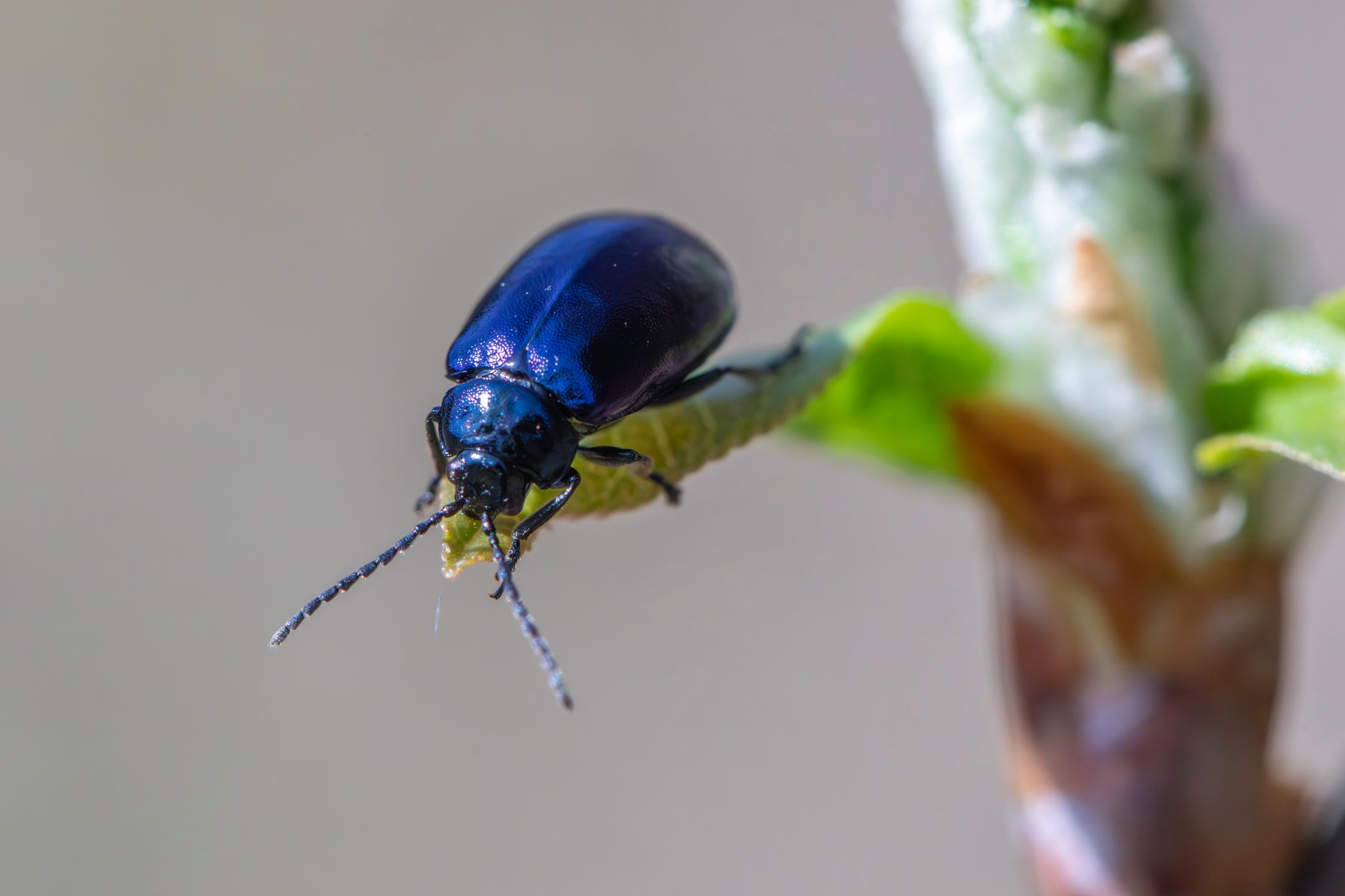
How it works: Spinosad is a natural insecticide derived from soil bacteria. It kills flea beetles on contact and by ingestion.
How to use: Apply to plants when flea beetles are actively feeding.
Application: Follow label instructions. Apply every 5-7 days.
Caution: Spinosad can harm bees—avoid applying during flowering.
Timing: Apply in spring when flea beetles are most active.
Use Diatomaceous Earth
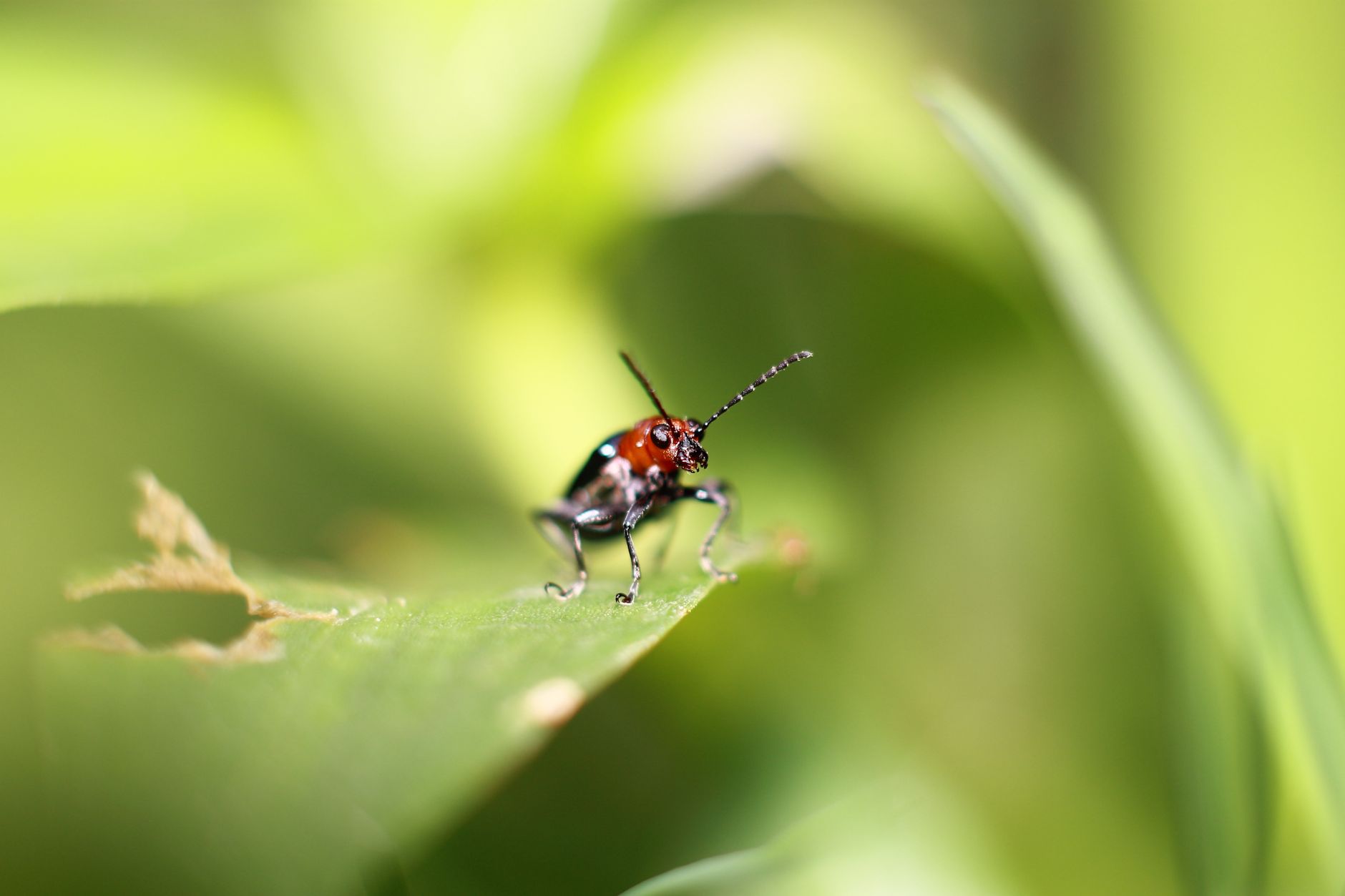
How it works: Diatomaceous earth is made from fossilized algae. The sharp edges cut the beetle's exoskeleton, causing dehydration and death.
How to use: Sprinkle diatomaceous earth around plants and garden beds.
Food-grade: Use food-grade diatomaceous earth for safety.
Reapplication: Reapply after rain and every 1-2 weeks.
Caution: Avoid applying directly on flowers—it can harm pollinators.
Introduce Beneficial Nematodes
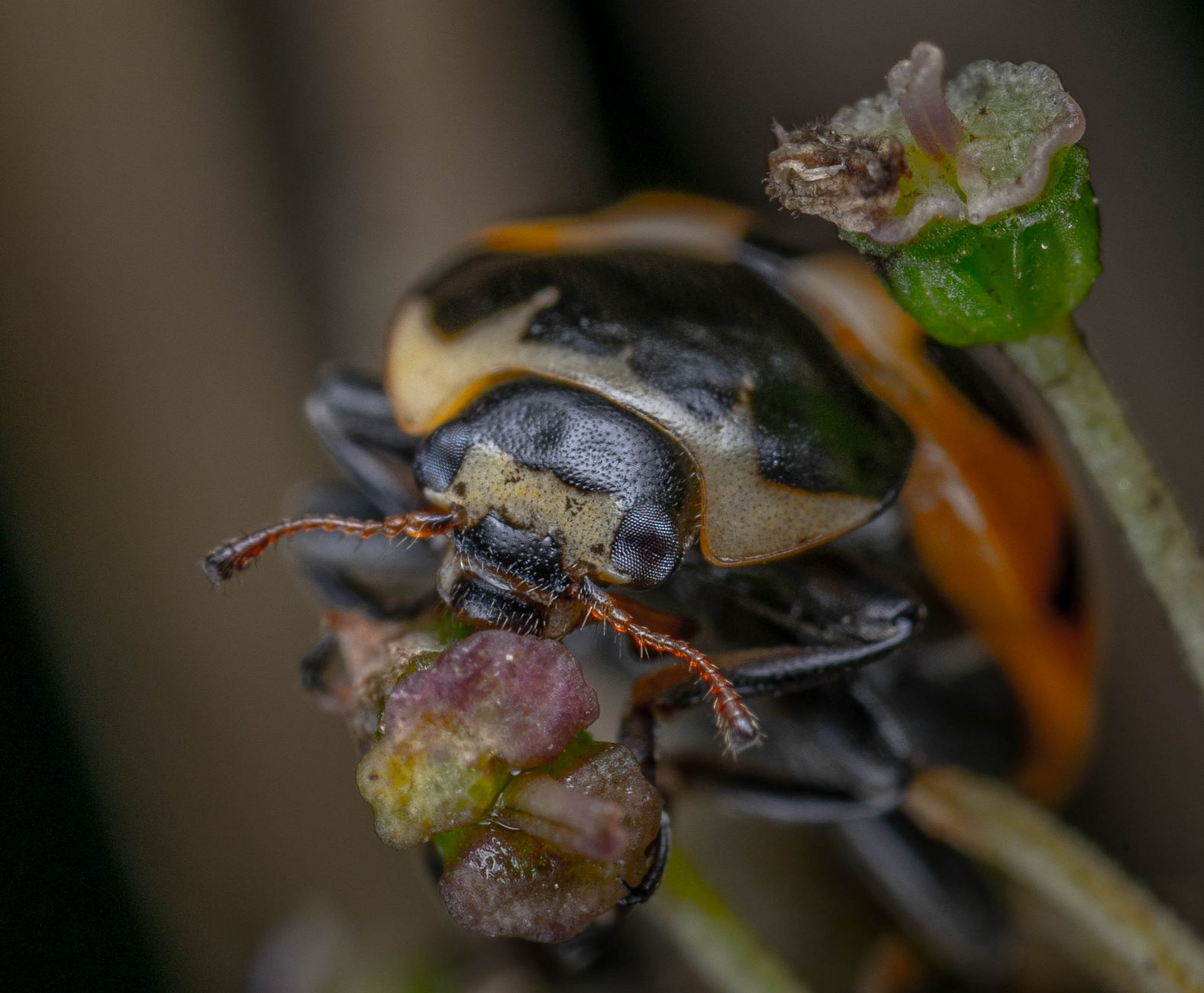
How it works: Nematodes (Steinernema feltiae) infect and kill flea beetle larvae in the soil.
When to apply: Apply in spring or early summer when larvae are actively feeding.
How to apply: Follow package instructions. Mix with water and apply to the soil.
Benefits: Nematodes are safe for pets, wildlife, and beneficial insects.
Tip: Water the soil before and after application.
Use Trap Crops
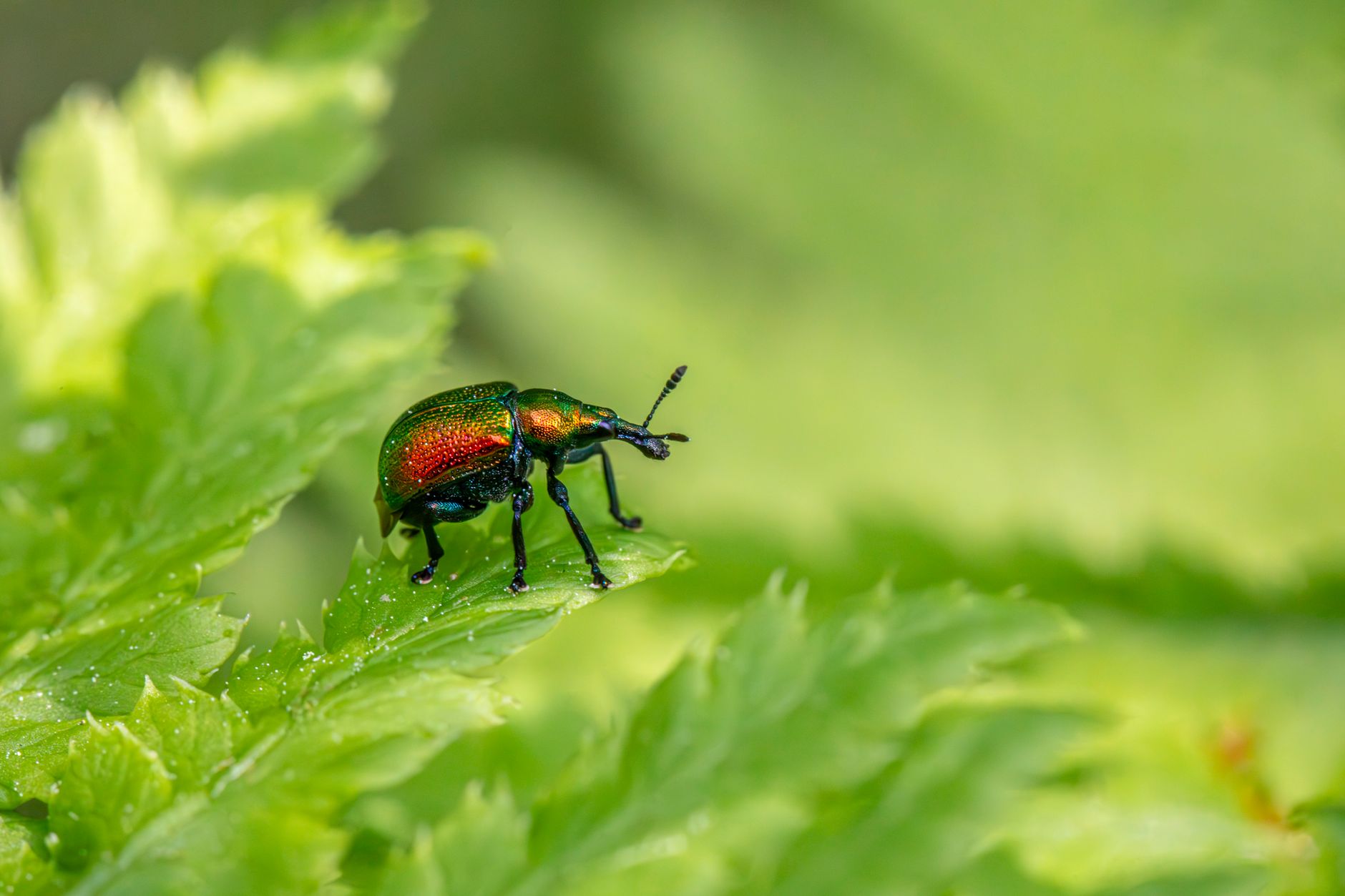
How it works: Trap crops are plants that are more attractive to pests than your main crop. Flea beetles prefer radishes and other crucifers.
How to use: Plant radishes or other trap crops around the perimeter of your garden.
Monitor: Check trap crops regularly and remove or treat them.
Benefits: It reduces the pest pressure on your main crop.
Maintenance: Check the trap crop regularly and remove beetles.
Prevent Future Flea Beetle Problems
Use row covers: Protect young plants with floating row covers.
Remove plant debris: Remove plant debris where flea beetles may overwinter.
Rotate crops: Don't plant susceptible crops in the same spot for 2-3 years.
Monitor: Check plants regularly for signs of flea beetles.
Attract natural predators: Ground beetles and parasitic wasps are natural predators.
Common problems and fixes
| Problem | Likely cause | What to do |
|---|---|---|
| Flea beetles returning quickly | New adults moving in or larvae in the soil. | Use row covers and apply beneficial nematodes. |
| Neem oil not working | Applied too late or not enough coverage. | Apply early and spray thoroughly. |
| Flea beetles on eggplants | Flea beetles prefer eggplants. | Use row covers and trap crops. |
| Flea beetles in greenhouse | Adults entering the greenhouse. | Use screens and yellow sticky traps. |
Gardener's checklist
Test what you learned
What do flea beetles do when disturbed?
Answer: Jump like fleas
What is the most effective flea beetle control method?
Answer: Floating row covers
What vegetable is a good trap crop for flea beetles?
Answer: Radishes
What biological control kills flea beetle larvae in the soil?
Answer: Beneficial nematodes
When are flea beetles most active?
Answer: Spring to early summer
Common questions
Do flea beetles bite humans?
No, flea beetles don't bite humans. They feed only on plants.
Can flea beetles kill plants?
Yes, a severe infestation can defoliate young plants and kill them.
Do flea beetles fly?
Yes, flea beetles can fly, but they prefer to jump when disturbed.
Does neem oil kill flea beetles?
Yes, neem oil is effective against flea beetles. It repels them and disrupts their feeding.
How do I prevent flea beetles naturally?
Use floating row covers, remove plant debris, rotate crops, and attract natural predators.
Flea beetles are tiny but destructive pests that can damage many vegetables. Use floating row covers to protect young plants—they're one of the most effective methods. Apply neem oil or spinosad for organic control. Use diatomaceous earth around plants and introduce beneficial nematodes to control larvae in the soil. Plant trap crops (like radishes) to lure beetles away from main crops. Remove plant debris and rotate crops to prevent future infestations. With persistence and a multi-method approach, you can keep flea beetles from damaging your garden.
Frequently asked questions
How often should a vegetable garden be watered?
Frequency depends on weather, soil and plant size. Check the soil rather than watering on a rigid schedule.
Is compost enough fertilizer?
Compost improves soil and provides nutrients slowly. Heavy-feeding crops may still need additional feeding.

The Sproutstead Editorial Team
We create clear, practical gardening and homesteading guides designed for real homes and beginner growers.
View author profile →