
Air purifying plants are houseplants that remove toxins from indoor air. NASA's Clean Air Study identified the best air purifying plants. Top varieties include snake plant, peace lily, pothos, spider plant, philodendron, Boston fern, and rubber plant. These plants remove formaldehyde, benzene, xylene, ammonia, and other volatile organic compounds (VOCs). Most are easy to care for and thrive in low to medium light. They require regular watering and occasional fertilizing. Air purifying plants improve indoor air quality, reduce stress, and add beauty to your home. For maximum benefit, place one plant per 100 square feet of living space.
What you will need
Understand How Plants Purify Air

Plants absorb toxins through their leaves and roots. They break down these chemicals and convert them into harmless substances.
The NASA Clean Air Study identified the best air purifying plants. The study found that certain houseplants can remove up to 87% of indoor air pollutants within 24 hours.
Common indoor toxins include formaldehyde (from furniture and carpets), benzene (from plastics and detergents), xylene (from paints and solvents), ammonia (from cleaning products), and trichloroethylene (from dry cleaning).
Plants also release oxygen and increase humidity, creating a healthier indoor environment.
For maximum benefit, place one plant per 100 square feet of living space. More plants provide more air purification.
Snake Plant — The Bedroom Superstar

Snake plant removes formaldehyde, benzene, xylene, and trichloroethylene from the air. It is one of the most effective air purifying plants.
Snake plant releases oxygen at night through a process called CAM photosynthesis. This makes it an excellent choice for bedrooms.
Snake plant is extremely easy to care for. It tolerates low light, drought, and neglect. Water only when the soil is completely dry.
Snake plant is toxic to pets, so keep it out of reach of cats and dogs.
Peace Lily — Elegant and Effective

Peace lily removes formaldehyde, benzene, xylene, ammonia, and trichloroethylene. It is one of the most comprehensive air purifying plants.
Peace lily is easy to care for. It thrives in low to medium indirect light. Water when the top inch of soil feels dry. It is dramatic when it needs water, making it easy to know when to water.
Peace lily produces beautiful white spathe flowers. It blooms in spring and summer with proper care.
Peace lily is toxic to pets. Keep it out of reach of cats and dogs.
Pothos — The Versatile Vine

Pothos removes formaldehyde, benzene, and xylene from the air. It is a fast-growing vine that is easy to care for.
Pothos thrives in low to medium indirect light. It is very forgiving and can tolerate neglect.
Water when the top inch of soil feels dry. Pothos is drought-tolerant and can survive occasional dry periods.
Pothos is toxic to pets. Keep it out of reach of cats and dogs.
Spider Plant — The Pet-Friendly Option

Spider plant removes formaldehyde and xylene from the air. It is one of the most effective air purifying plants.
Spider plant is non-toxic to cats and dogs, making it a safe choice for pet-friendly homes.
Spider plant is easy to care for. It thrives in bright, indirect light but tolerates low light. Water when the top inch of soil feels dry.
Spider plants produce baby plants (spiderettes) that can be propagated easily.
Boston Fern — The Humidity Lover

Boston fern removes formaldehyde and xylene from the air. It is one of the most effective air purifying plants.
Boston fern loves humidity. It is excellent for bathrooms, kitchens, and other humid spaces. Mist regularly to keep it happy.
Boston fern prefers bright, indirect light. Keep the soil consistently moist but not waterlogged.
Boston fern is non-toxic to pets, making it a safe choice for pet-friendly homes.
Rubber Plant — The Large-Leaf Purifier
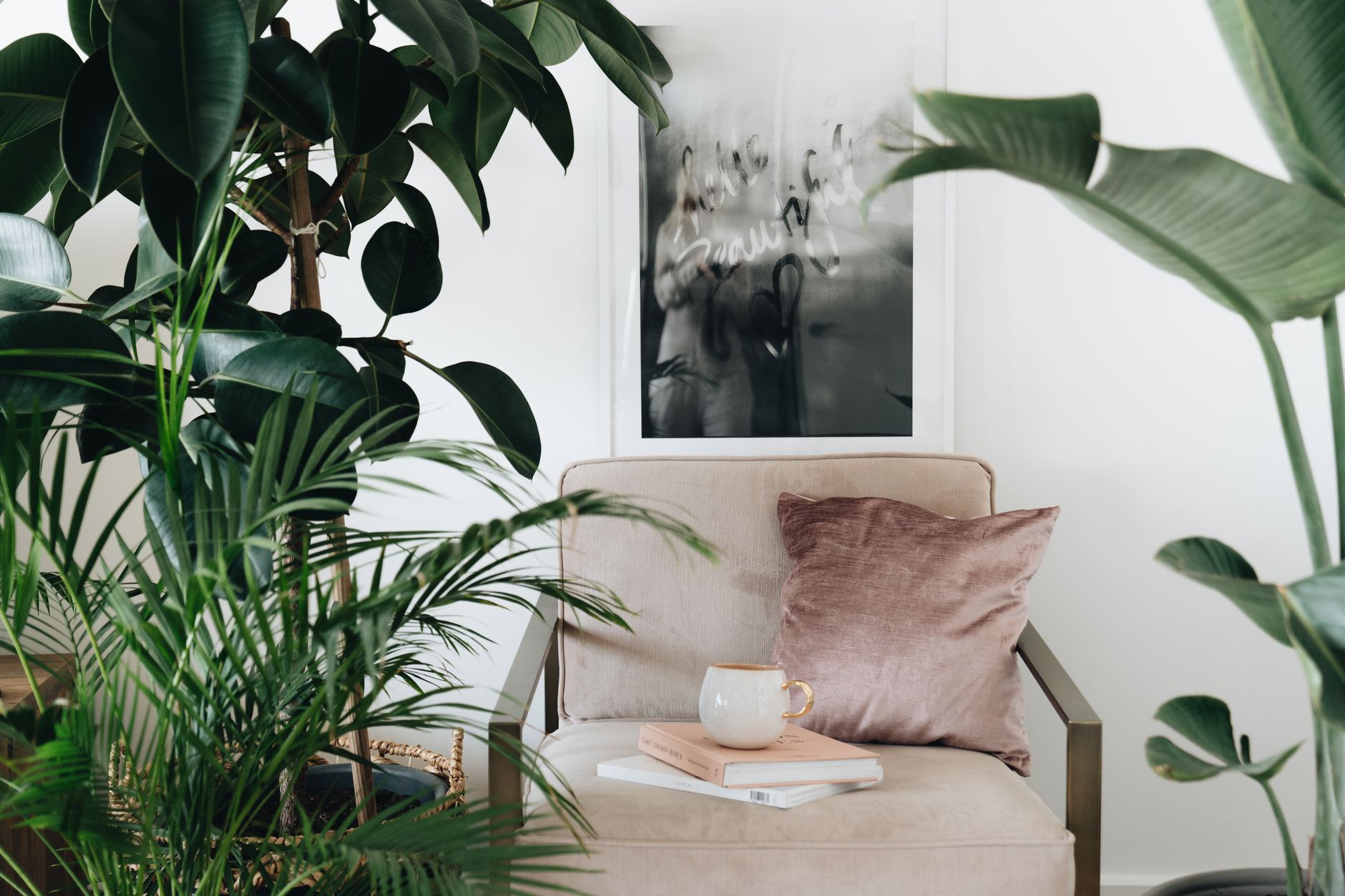
Rubber plant removes formaldehyde, benzene, and xylene from the air. It is a large, dramatic plant with glossy leaves.
Rubber plant prefers bright, indirect light. It can tolerate some direct sun but avoid harsh afternoon sun.
Water when the top inch of soil feels dry. Rubber plant is drought-tolerant and forgiving.
Rubber plant is toxic to pets. Keep it out of reach of cats and dogs.
How to Maximize Air Purification

Place one plant per 100 square feet of living space. For a 200 square foot room, use two plants for maximum benefit.
Distribute plants throughout the room for even air purification. Place them near furniture, carpets, and other sources of toxins.
Dust leaves regularly. Dust blocks the pores and reduces the plant's ability to absorb toxins.
Keep plants healthy. Healthy plants are more effective at air purification. Provide proper light, water, and nutrients.
Use a mix of plants. Different plants remove different toxins. A variety of plants provides comprehensive air purification.
Common problems and fixes
| Problem | Likely cause | What to do |
|---|---|---|
| Plants are not purifying air. | Too few plants or plants are unhealthy. | Add more plants. Ensure plants are healthy with proper light and water. |
| Leaves are dusty. | Not cleaning leaves regularly. | Wipe leaves with a damp cloth to keep pores open. |
| Plants are struggling. | Improper light or watering. | Adjust care based on the specific plant's needs. |
| Pets are eating plants. | Plant is toxic or pet is curious. | Choose pet-friendly plants. Keep toxic plants out of reach. |
Gardener's checklist
Test what you learned
Which plant is best for bedrooms because it releases oxygen at night?
Answer: Snake plant
Which air purifying plant is pet-friendly?
Answer: Spider plant
How many plants should you have per 100 square feet?
Answer: One
What is the most important maintenance task for air purifying plants?
Answer: Dusting leaves
Common questions
Do air purifying plants really work?
Yes. NASA's Clean Air Study found that certain houseplants can remove up to 87% of indoor air pollutants within 24 hours. Plants absorb toxins through their leaves and roots.
How many air purifying plants do I need?
The general recommendation is one plant per 100 square feet of living space. More plants provide more air purification.
Which air purifying plant is best for bedrooms?
Snake plant is best for bedrooms because it releases oxygen at night. Peace lily and spider plant are also excellent choices.
Are air purifying plants safe for pets?
Some are, some are not. Spider plant, Boston fern, areca palm, and bamboo palm are pet-friendly. Snake plant, peace lily, pothos, and philodendron are toxic to pets.
Do I need to dust air purifying plants?
Yes. Dust blocks the pores on leaves and reduces the plant's ability to absorb toxins. Wipe leaves with a damp cloth regularly.
Air purifying plants are an effective and natural way to improve indoor air quality. NASA's Clean Air Study identified the best air purifying plants, including snake plant, peace lily, pothos, spider plant, and Boston fern. These plants remove formaldehyde, benzene, xylene, ammonia, and other toxins from the air. For maximum benefit, place one plant per 100 square feet of living space, dust leaves regularly, and keep plants healthy. Choose pet-friendly options if you have pets. With the right plants and care, you can enjoy cleaner air, reduced stress, and a beautiful indoor environment.
Frequently asked questions
How often should a vegetable garden be watered?
Frequency depends on weather, soil and plant size. Check the soil rather than watering on a rigid schedule.
Is compost enough fertilizer?
Compost improves soil and provides nutrients slowly. Heavy-feeding crops may still need additional feeding.

The Sproutstead Editorial Team
We create clear, practical gardening and homesteading guides designed for real homes and beginner growers.
View author profile →

