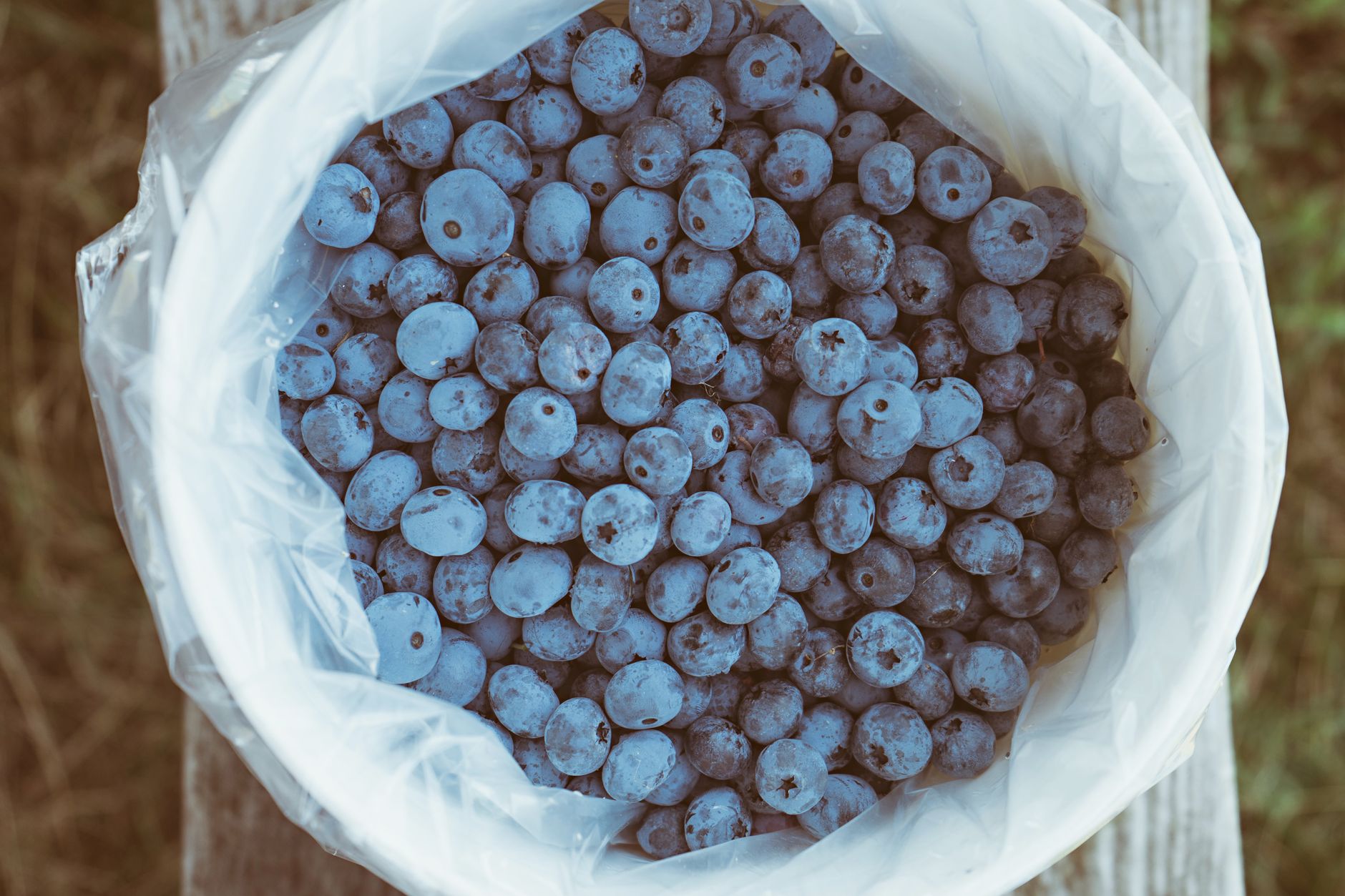
Blueberries can be successfully grown in containers with the right care. The secret is acidic soil (pH 4.5-5.5) and consistent moisture. Use a large container (18-24 inches wide, 16-20 inches deep) with drainage holes. Fill with an acidic potting mix (50% peat moss + 50% potting soil). Choose dwarf or compact varieties like 'Sunshine Blue', 'Top Hat', or 'Bluecrop'. Place in full sun (6-8 hours), water regularly to keep the soil moist (but not waterlogged), and fertilize with acid-loving plant fertilizer in spring. In cold climates, move containers to a sheltered spot in winter. Blueberries in pots will produce fruit 2-3 years after planting.
What you will need
Choose the Right Blueberry Variety for Containers

Sunshine Blue: A compact, semi-dwarf variety. Grows 3-4 feet tall. Produces sweet, medium-sized berries. Good for containers. Self-pollinating.
Top Hat: A true dwarf variety. Grows only 1-2 feet tall. Produces small, flavorful berries. Excellent for small containers.
Bluecrop: A compact variety. Grows 4-5 feet tall. Produces large, sweet berries. Good for medium to large containers.
Pink Icing: A compact, ornamental variety. Grows 3-4 feet tall. Produces pink berries. Good for containers.
Which is best? For beginners: Top Hat (smallest) or Sunshine Blue (productive, self-pollinating).
Select the Right Container
Size: Use a container at least 18-24 inches wide and 16-20 inches deep. The bigger, the better—more soil means more moisture retention.
Material: Plastic, ceramic, or wooden containers all work. Ensure they have drainage holes.
Drainage: Good drainage is critical—blueberry roots rot in wet soil. Use a pot with holes and add a layer of gravel at the bottom.
Color: Light-colored containers are better in hot climates—they reflect heat and keep roots cool.
Prepare the Right Soil

The secret: Blueberries need acidic soil (pH 4.5-5.5). Regular potting soil is too alkaline.
Best mix: 50% peat moss + 50% high-quality potting soil. Peat moss is naturally acidic.
Alternative mix: 50% pine bark fines + 50% potting soil. Pine bark is also acidic.
Testing pH: Use a pH test kit to ensure your mix is in the 4.5-5.5 range.
Avoid: Don't use garden soil or compost—they're too heavy and alkaline.
Plant Blueberries in Containers

When to plant: Plant in spring after all danger of frost has passed.
Planting depth: Fill the container with the acidic potting mix. Plant the blueberry at the same depth as it was in the nursery pot.
Spacing: One plant per container. Don't overcrowd.
Watering after planting: Water deeply to settle the soil around the roots.
Mulch: Add a 1-2 inch layer of pine bark or pine needles on top to retain moisture and maintain acidity.
Water and Fertilize

Water: Blueberries in containers need consistent moisture. Water when the top inch of soil is dry. In hot weather, this may be daily.
Don't overwater: Make sure the pot drains well. Blueberry roots rot in waterlogged soil.
Fertilizer: Use a fertilizer for acid-loving plants (like azalea or rhododendron fertilizer). Apply in spring and early summer.
Organic options: Compost tea, fish emulsion, or cottonseed meal are good organic alternatives.
Signs of nutrient deficiency: Yellowing leaves or poor growth.
Maintain Acidity

Why it matters: Blueberries need acidic soil (pH 4.5-5.5). If the pH rises, the plant will struggle.
Testing pH: Test the soil pH every few months with a pH test kit.
Lowering pH: Add elemental sulfur or aluminum sulfate to lower pH. Follow package instructions.
Natural acidity: Using peat moss and pine bark in your potting mix helps maintain acidity.
Acidic water: Rainwater is naturally acidic. Use rainwater if possible.
Prune and Maintain

When to prune: Prune in late winter (February-March) while the plant is dormant.
What to remove: Remove dead, diseased, crossing, or damaged branches.
Shape: Maintain a balanced shape. Remove any branches that are growing inward.
Young plants: For the first 2 years, remove flowers to encourage root and plant growth.
Mature plants: Remove 20-30% of the oldest wood each year to encourage new growth.
Overwinter Your Container Blueberries

Hardiness: Most blueberry varieties are hardy in zones 4-8. But containers are more vulnerable to freezing than in-ground plants.
Move: In cold climates, move containers to a sheltered location (against a house wall, in an unheated garage, or a cold frame).
Insulate: Wrap containers with burlap or bubble wrap to insulate roots from freezing.
Water: Water occasionally in winter—roots can dry out even in cold weather.
Spring: In spring, move containers back to their sunny location and resume regular care.
Common problems and fixes
| Problem | Likely cause | What to do |
|---|---|---|
| Yellow leaves (chlorosis) | Soil pH too high (alkaline). | Lower pH with sulfur or use acidic fertilizer. |
| Plant not growing | Root-bound or poor soil. | Repot into a larger container with fresh acidic potting mix. |
| Few berries | Lack of pollination or poor nutrition. | Plant two varieties for cross-pollination and fertilize. |
| Leaves turning brown | Underwatering or too much fertilizer. | Water consistently and reduce fertilizer. |
Gardener's checklist
Test what you learned
What is the ideal soil pH for blueberries in pots?
Answer: 4.5-5.5
What is the best potting mix for blueberries?
Answer: 50% peat moss + 50% potting soil
What size container is best for blueberries?
Answer: 18-24 inches wide
Which blueberry variety is best for containers?
Answer: Top Hat
How much sun do blueberries in pots need?
Answer: 6-8 hours
Common questions
Can I grow blueberries in pots indoors?
Yes, but they need 6-8 hours of direct sunlight (a sunny window) and good air circulation. Place them outside in summer for better growth.
How often should I water blueberries in pots?
Water when the top inch of soil is dry. In hot weather, this may be daily. In cooler weather, less often. Don't let the soil dry out completely.
Can I leave blueberry pots outside in winter?
In cold climates (zones below 6), protect pots by moving them to a sheltered location (garage, against a wall) or insulate them with burlap or bubble wrap.
Do blueberries in pots need cross-pollination?
Most blueberry varieties are self-pollinating, but planting two different varieties increases fruit production. Choose compatible varieties.
How long do blueberries in pots live?
Blueberries in containers can live 10-15+ years with proper care. Repot every 2-3 years to refresh the soil and provide more root space.
Growing blueberries in pots is a great way to enjoy fresh berries even without a garden. The secret to success is acidic soil (pH 4.5-5.5) and consistent moisture. Use a large container (18-24 inches wide) with an acidic potting mix (50% peat moss + 50% potting soil). Choose dwarf varieties like 'Top Hat' or 'Sunshine Blue'. Place in full sun, water regularly, and fertilize with acid-loving plant fertilizer. In cold climates, protect your pots in winter by moving them to a sheltered location. With proper care, you'll enjoy fresh blueberries from your patio or balcony for years.
Frequently asked questions
How often should a vegetable garden be watered?
Frequency depends on weather, soil and plant size. Check the soil rather than watering on a rigid schedule.
Is compost enough fertilizer?
Compost improves soil and provides nutrients slowly. Heavy-feeding crops may still need additional feeding.

The Sproutstead Editorial Team
We create clear, practical gardening and homesteading guides designed for real homes and beginner growers.
View author profile →