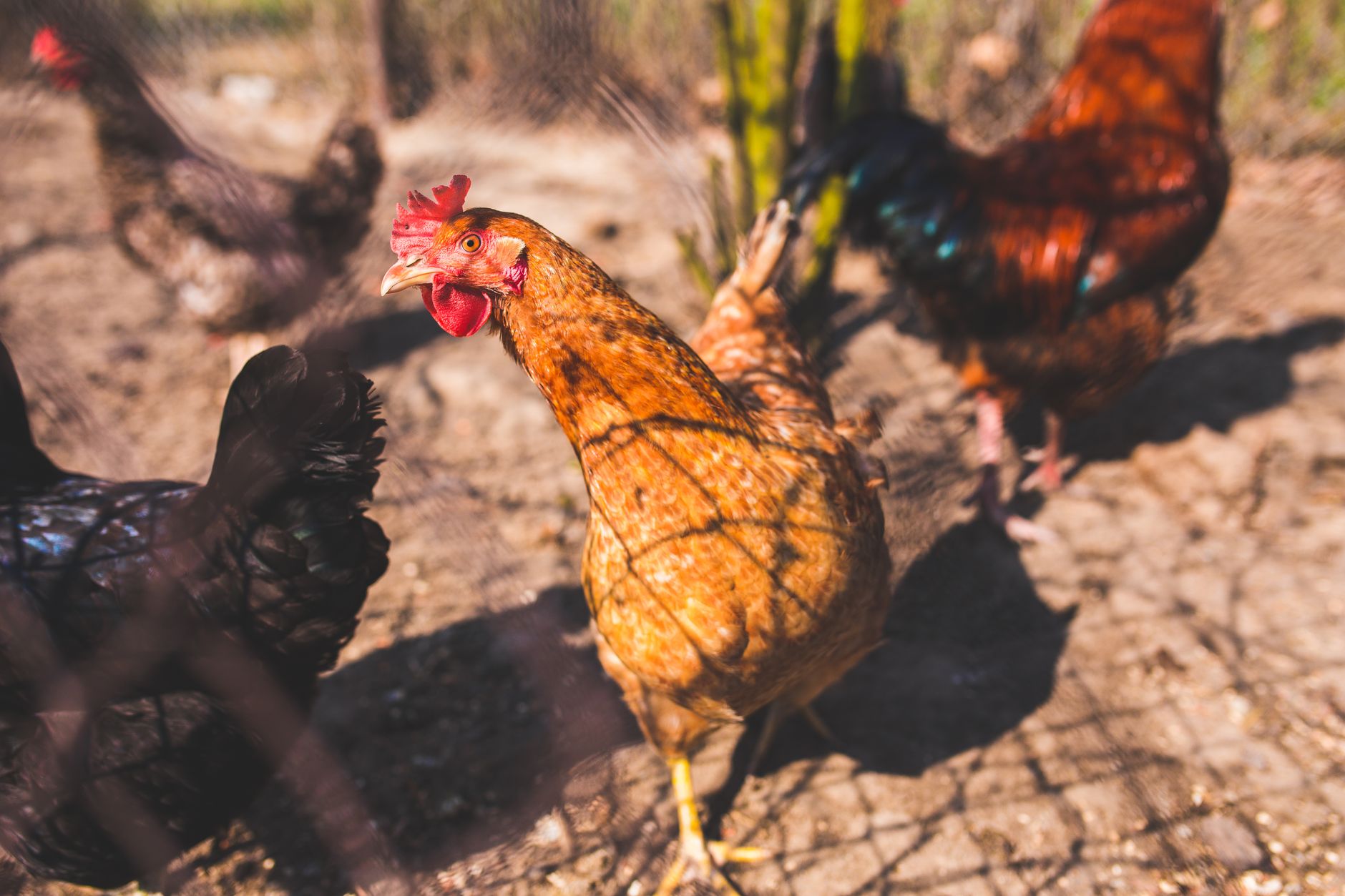
No, chickens do NOT need a rooster to lay eggs. Hens will lay eggs regularly (usually one per day) regardless of whether a rooster is present. The eggs are simply unfertilized—they will never hatch into chicks. A rooster is only needed if you want to hatch fertilized eggs to raise baby chicks. Without a rooster, your hens will continue to produce eggs that are perfectly fine to eat. In fact, most backyard chickens live happily without a rooster.
What you will need
Understand How Eggs Are Formed
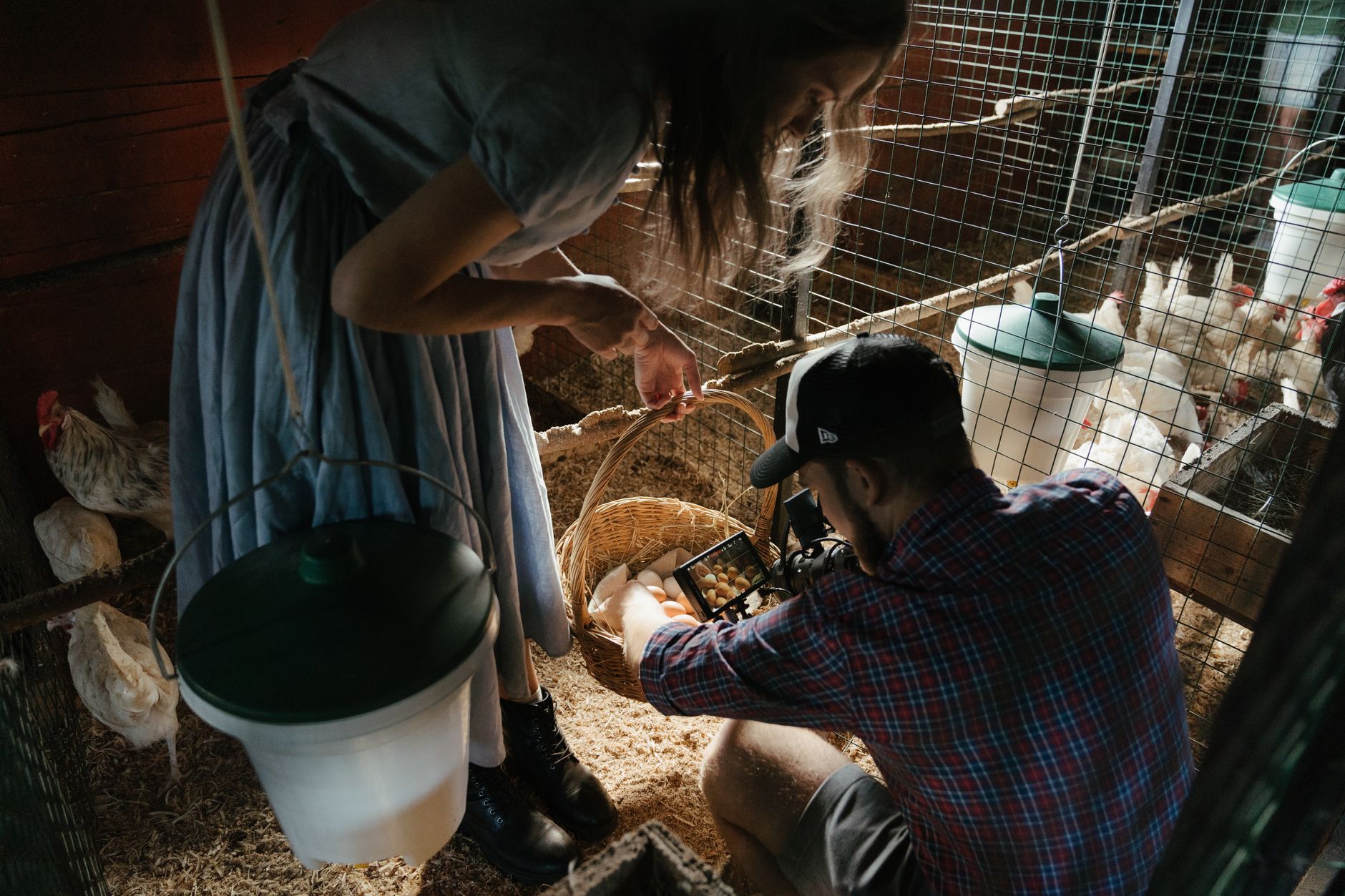
A hen is born with all the egg yolks she will ever produce—thousands of tiny ova in her ovaries. Each yolk starts as a single cell that grows over time.
About every 24-26 hours, a mature yolk is released from the ovary into the oviduct (the egg-making tube). This process is called ovulation and is triggered by light exposure.
As the yolk travels through the oviduct, layers are added: the egg white (albumen), the shell membranes, and finally the hard calcium shell. The entire process takes about 24 hours.
Key point: The yolk is released regardless of fertilization. The hen's body doesn't know if a rooster is present—it just produces the egg based on her internal cycle.
The final egg is laid about 24 hours after the previous egg. This cycle repeats daily for the duration of the hen's laying life.
Understand Fertilized vs. Unfertilized Eggs

Unfertilized egg (no rooster): The yolk is just a yolk. The small white dot on the yolk (the germinal disc) is small, solid white, and will never develop into a chick.
Fertilized egg (with rooster): The rooster mates with the hen, and the sperm fertilizes the yolk before the shell is formed. The germinal disc is larger, slightly ring-shaped, and will develop into a chick if incubated.
Can you tell the difference? To the naked eye, fertilized and unfertilized eggs look identical until they are incubated (kept warm for several days). The only way to tell is by candling (shining a light through the egg) after a few days of incubation.
Is it safe to eat fertilized eggs? Yes! Fertilized eggs are perfectly safe to eat and taste identical to unfertilized eggs. The only difference is they can hatch into chicks if incubated.
Why do hens lay unfertilized eggs? It's part of their natural reproductive cycle. Just like human females ovulate monthly, hens ovulate daily. The egg is released whether or not it's fertilized.
Know When a Rooster Is Necessary
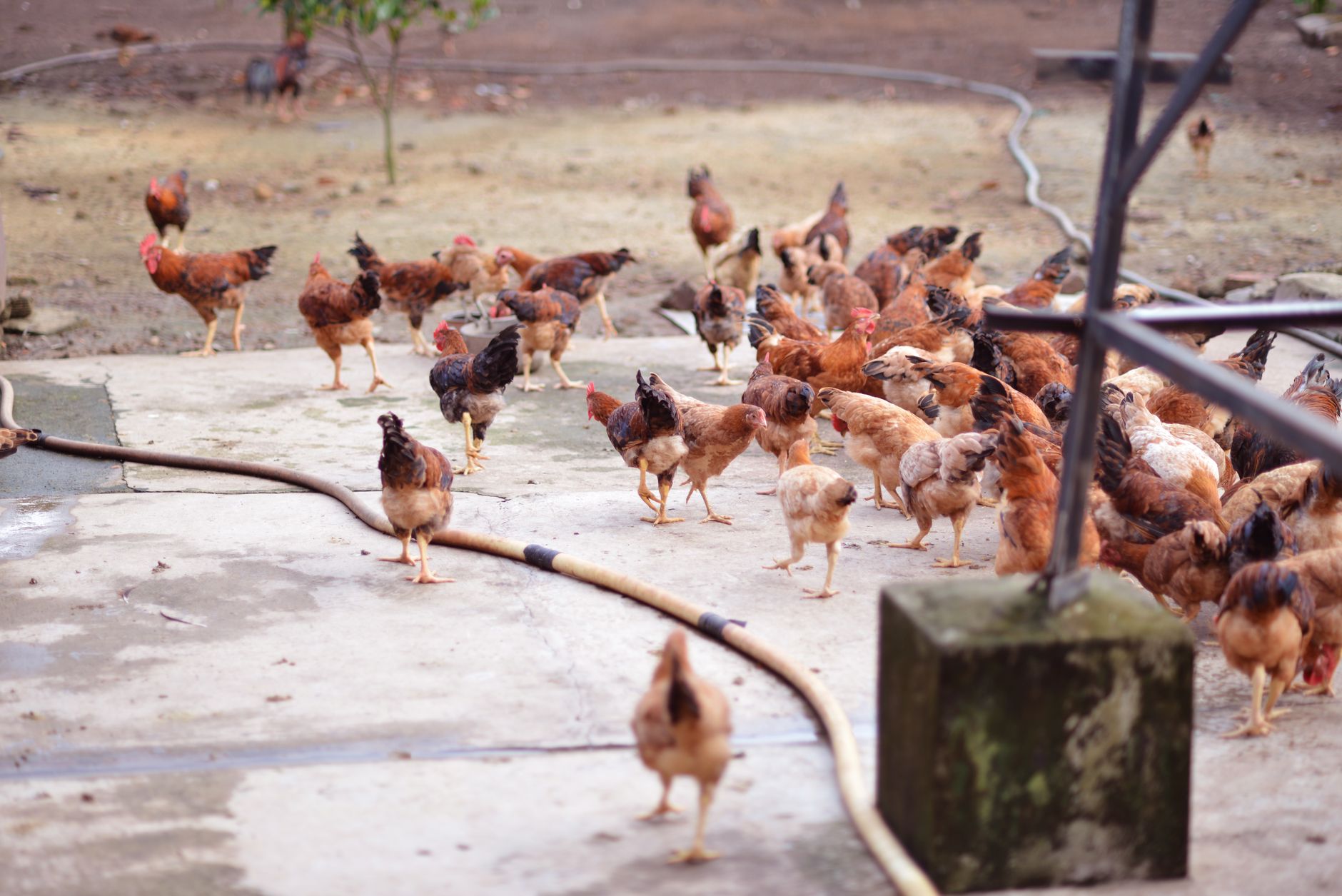
You need a rooster if: You want to hatch chicks from your own eggs. A rooster is required to fertilize the eggs. Without one, eggs will never hatch.
You don't need a rooster if: You only want eggs for eating, baking, or selling. Hens will produce plenty of eggs without a rooster.
Caveat: Some people mistakenly believe a rooster is needed for flock harmony or to 'encourage' laying. Neither is true. Hens have their own pecking order and lay fine without a rooster.
Are all eggs from a flock with a rooster fertilized? Not necessarily. The rooster must mate with each hen to fertilize her eggs. Some hens may avoid mating or may not be receptive. The rooster also needs to be healthy and fertile.
How long is an egg fertile after mating? A hen can store sperm for up to 2-3 weeks after mating. This means eggs laid up to 3 weeks after a rooster is removed can still be fertilized.
Consider the Benefits of Keeping a Rooster
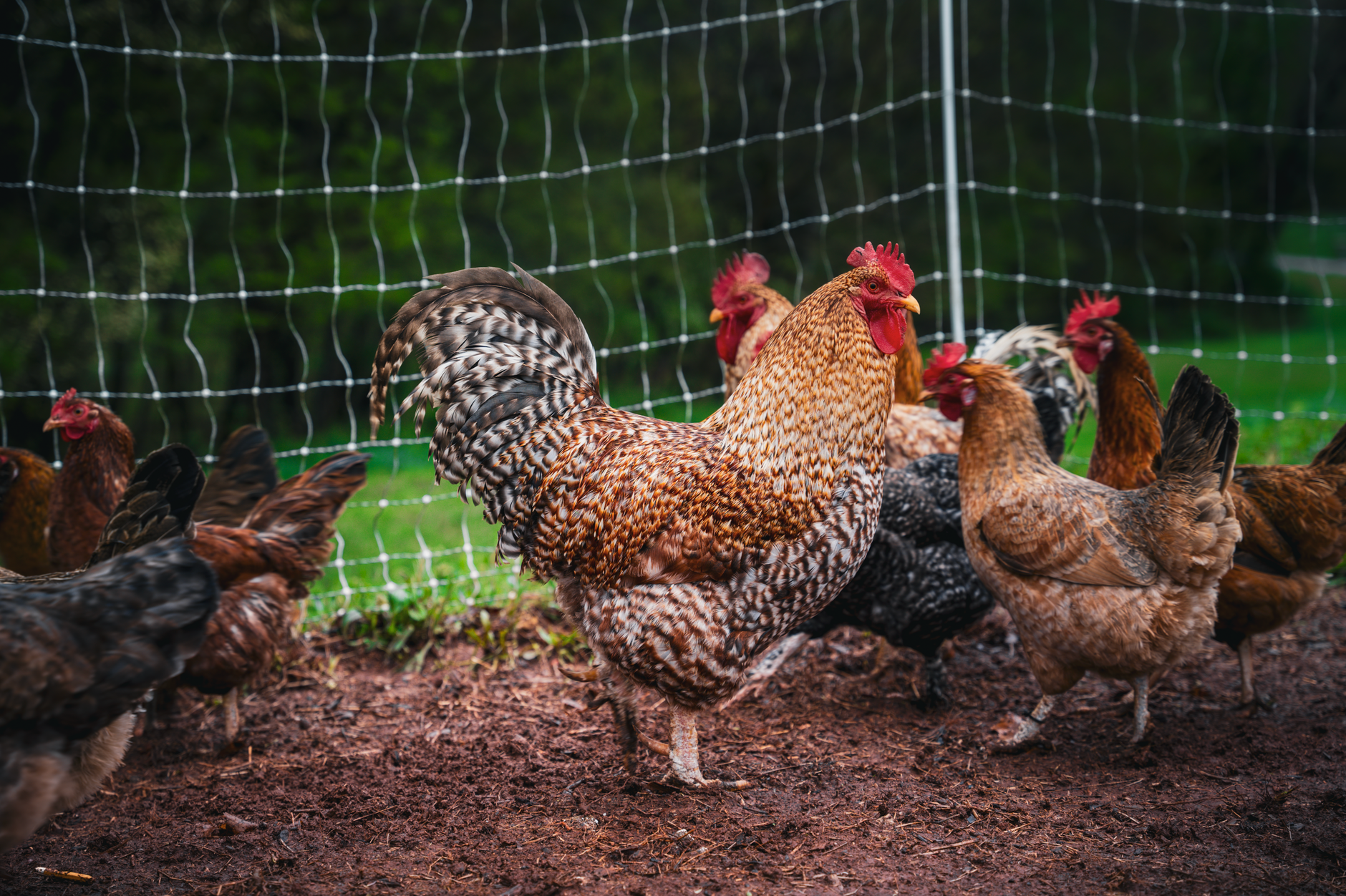
Protection: Roosters are excellent protectors. They watch for predators (hawks, foxes, dogs) and alert the flock with loud alarm calls. Some roosters will even fight predators to protect the hens.
Flock management: Roosters help maintain social order in the flock. They break up hen squabbles and often find food, calling the hens over to eat first.
Natural fertilization (for breeding): If you want to expand your flock naturally, a rooster is essential. You can hatch chicks from your own eggs without buying new chicks.
Aesthetics and tradition: Many people enjoy having a rooster for the classic farm sound—the crowing at dawn. Some breeds are also known for their beauty and presence.
Caution: Roosters can be aggressive, especially during mating season. Some breeds are more docile than others (like Silkies and Brahmas). Choose a breed known for good temperament if you want a rooster.
Consider the Drawbacks of Keeping a Rooster
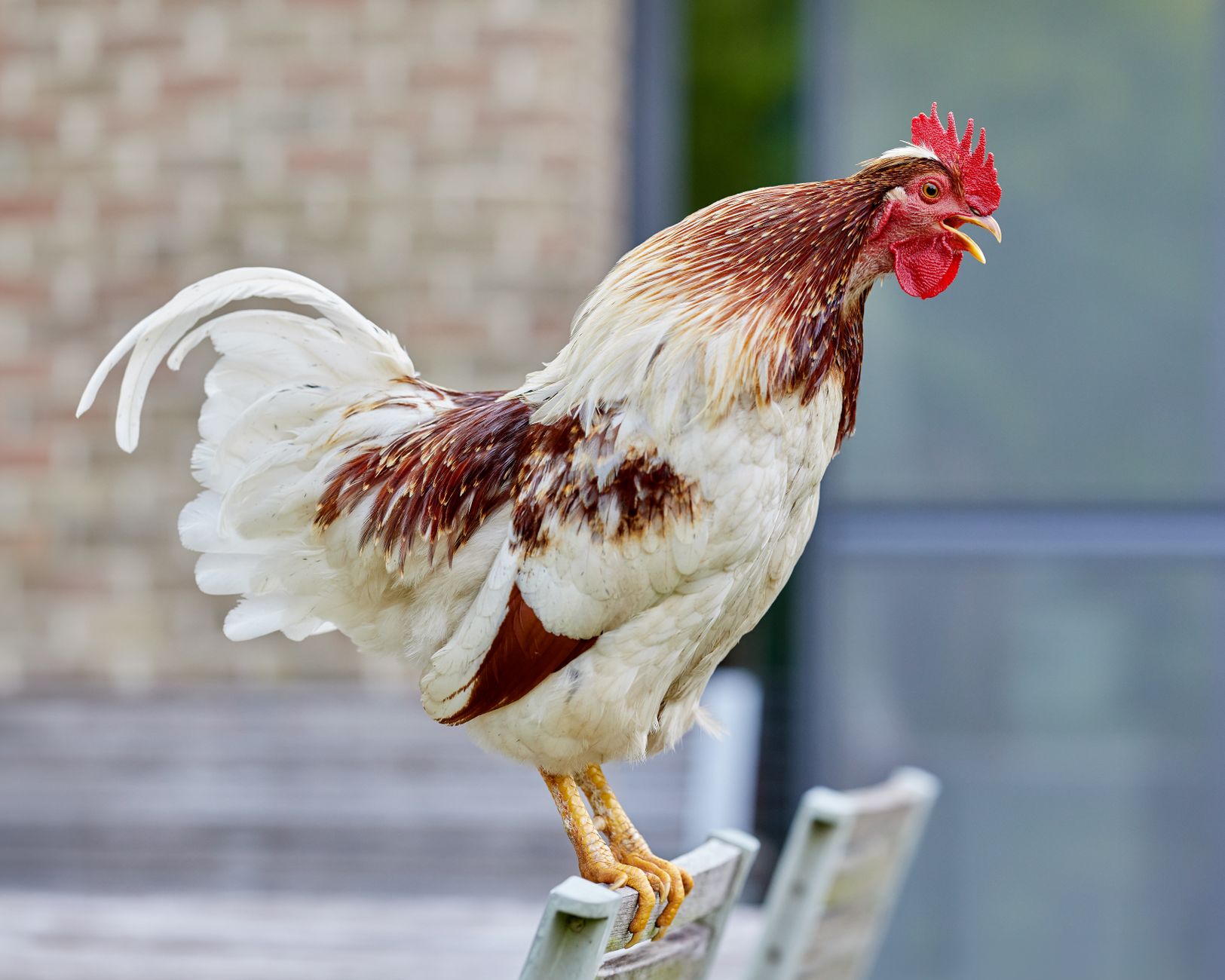
Noise: Roosters crow—loudly and frequently. They don't just crow at dawn; they can crow all day long. This can be a problem in suburban or urban areas with noise ordinances.
Aggression: Roosters can be aggressive toward humans, especially during mating season or if they feel threatened. Some breeds are more prone to aggression than others.
Over-mating: If you have too few hens, the rooster may over-mate them, causing feather loss, bald patches, and stress on the hens. The recommended ratio is 8-10 hens per rooster.
Extra feed: A rooster eats just as much as a hen but doesn't lay eggs. This adds to your feed costs without any return in eggs.
Legal restrictions: Many cities and towns prohibit roosters while allowing hens. Check local ordinances before getting a rooster.
Maintain the Correct Hen-to-Rooster Ratio
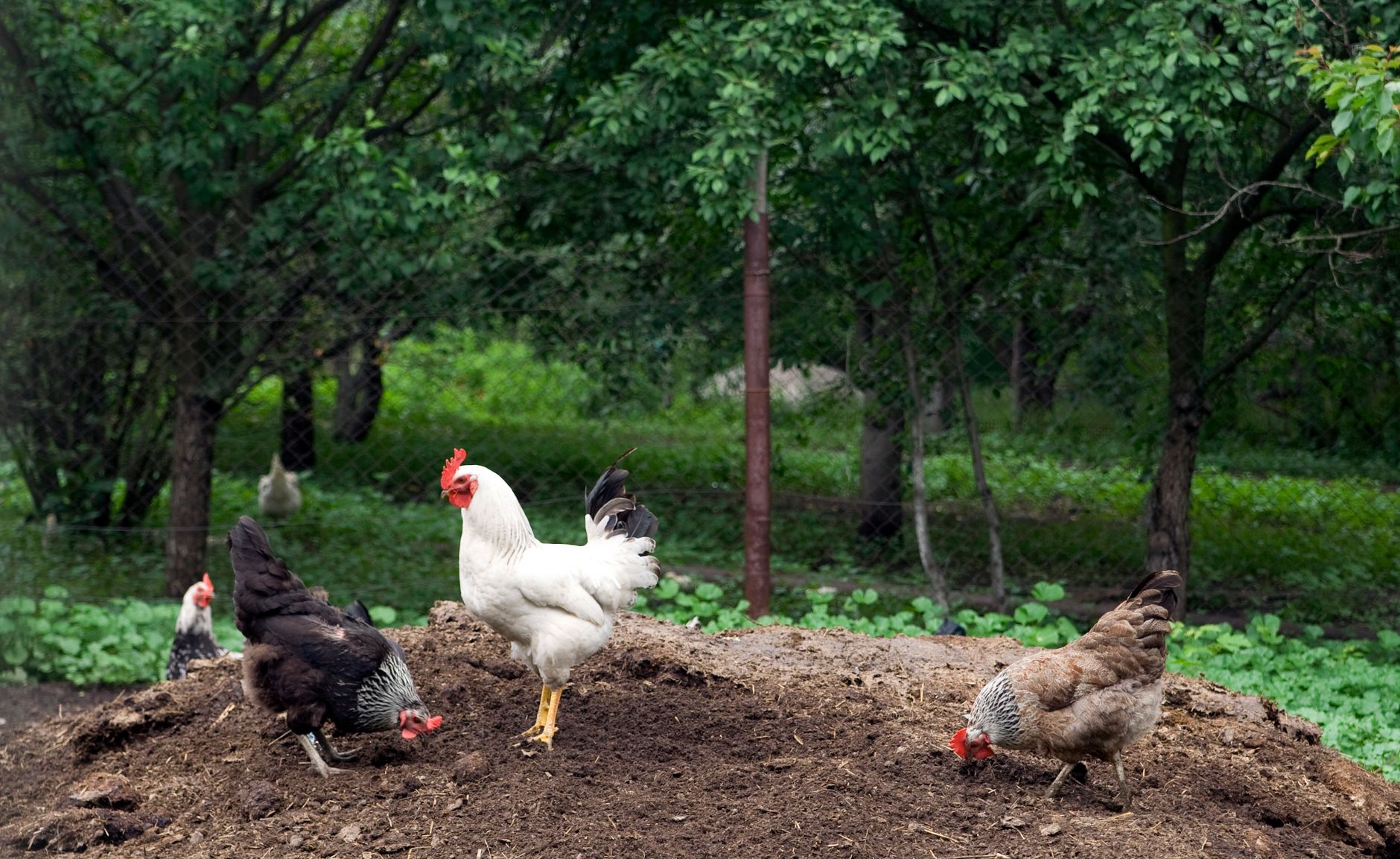
The 1:8-10 rule: For every rooster, keep at least 8-10 hens. This prevents the rooster from over-mating individual hens, which can cause feather loss, bald backs, and stress.
Why it matters: Roosters can be relentless. If there are too few hens, the rooster will mate the same hens repeatedly, leading to physical damage and reduced egg production.
If you have fewer hens: Consider keeping multiple roosters (which often leads to fighting) or not keeping a rooster at all. It's better to skip the rooster than to over-mate your hens.
If you have more hens: A rooster can handle up to 15-20 hens, but at that number, he may not fertilize all eggs consistently. For high fertility rates, 10-12 hens per rooster is ideal.
Breeds matter: Some rooster breeds are more aggressive with mating (like Leghorns) and require more hens. Docile breeds (like Orpingtons) can manage with fewer.
Decide If a Rooster Is Right for You
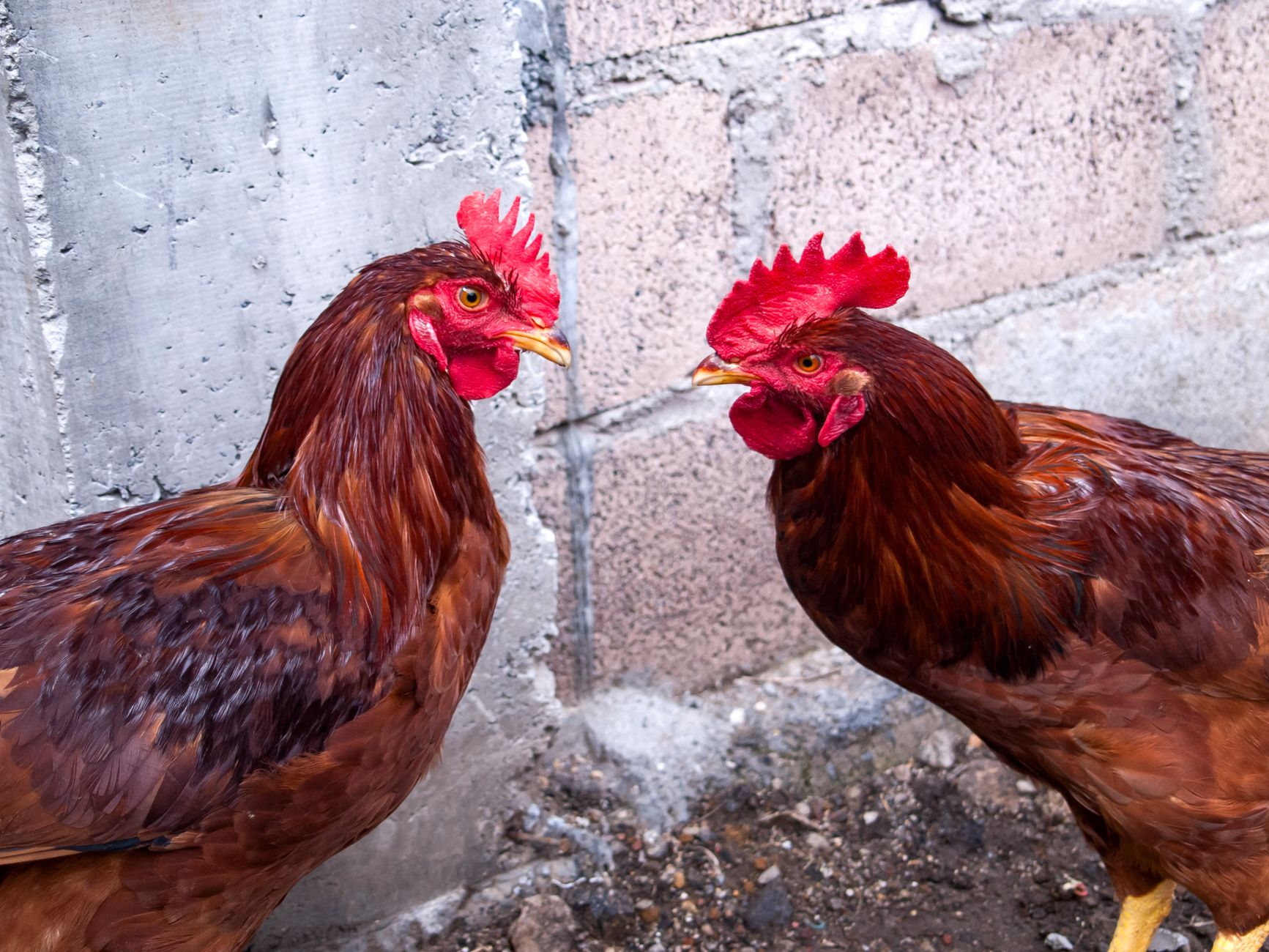
Choose a rooster if: You want to hatch chicks, want natural flock protection, have enough space (8-10 hens per rooster), and live in an area where roosters are allowed.
Skip the rooster if: You only want eggs, live in a suburban or urban area with noise restrictions, don't want to deal with aggression, or don't have enough hens.
Alternative solutions: If you want flock protection without a rooster, consider a guard dog, livestock guardian, or secure predator-proof fencing.
What if you accidentally get a rooster? If you bought 'sexed' pullets and end up with a rooster, you can keep him (if allowed) or rehome him through online forums, feed stores, or farm sanctuaries.
Remember: Hens are perfectly happy and productive without a rooster. They lay eggs, they have their own social structure, and they live healthy, fulfilling lives. The rooster is optional.
Common problems and fixes
| Problem | Likely cause | What to do |
|---|---|---|
| Rooster is aggressive toward humans | Breed aggression, hormonal surges, or feeling threatened. | Try handling him gently and assertively. If aggressive, consider rehoming—some breeds are simply aggressive and can't be trained out of it. |
| Hens have bald backs and missing feathers | Over-mating by the rooster. | Increase the number of hens (to 8-10 per rooster). Provide hen saddles (aprons) to protect hens' backs. |
| Rooster doesn't fertilize eggs | Old age, illness, or infertility. | If you need fertile eggs, replace the rooster with a younger one. Check for signs of illness. |
| Hens are stressed or hiding from rooster | Rooster is too aggressive or there are too few hens. | Provide hiding spots (low perches, bushes) so hens can escape. Increase the hen count or remove the rooster. |
Gardener's checklist
Test what you learned
Do hens need a rooster to lay eggs?
Answer: No
What is the recommended hen-to-rooster ratio?
Answer: 8-10 hens per rooster
Can fertilized eggs be eaten?
Answer: Yes, they taste the same
What is the main drawback of keeping a rooster?
Answer: They are noisy and can be aggressive
Common questions
Can I tell if an egg is fertilized before incubating?
No, unfertilized and fertilized eggs look identical until they are incubated. Only candling after 3-5 days of incubation can reveal if an egg is fertile.
How long can a hen store sperm after mating?
A hen can store sperm for up to 2-3 weeks after mating. This means she can lay fertilized eggs for weeks after the rooster is removed.
Do all roosters crow?
Yes, all roosters crow. It's a natural behavior that can't be prevented. Some crow less frequently, but all roosters will crow.
Can hens lay without a rooster in winter?
Yes, but winter (short daylight hours) naturally reduces egg production in all hens. Providing 14-16 hours of light can encourage consistent laying, with or without a rooster.
What if I buy chicks and one turns out to be a rooster?
You can keep him (if allowed) or rehome him. Feed stores and online forums often have people looking for roosters. Some farm sanctuaries will take roosters.
The simple answer is no—hens do not need a rooster to lay eggs. They will produce eggs daily regardless of a rooster's presence. A rooster is only necessary if you want to hatch chicks from your own eggs. If you decide to keep a rooster, be prepared for noise, possible aggression, and the need for 8-10 hens to prevent over-mating. For most backyard chicken keepers, especially in urban or suburban areas, a rooster is unnecessary and often more trouble than it's worth. Your hens will be happy, healthy, and productive without him.
Frequently asked questions
How often should a vegetable garden be watered?
Frequency depends on weather, soil and plant size. Check the soil rather than watering on a rigid schedule.
Is compost enough fertilizer?
Compost improves soil and provides nutrients slowly. Heavy-feeding crops may still need additional feeding.

The Sproutstead Editorial Team
We create clear, practical gardening and homesteading guides designed for real homes and beginner growers.
View author profile →