Leafy greens like lettuce, spinach, and kale, along with root vegetables like beets, carrots, and radishes, tolerate partial shade (3-6 hours of direct sun) reasonably well, while fruiting vegetables like tomatoes, peppers, and squash genuinely need full sun (6-8+ hours) to produce well. Match your shadiest areas to leafy greens and root crops for the best results.
What you will need
Understand What 'Shade Tolerant' Actually Means

No vegetable genuinely thrives in deep, all-day shade; what gardeners call 'shade tolerant' vegetables are more accurately described as crops that can produce a reasonable harvest with partial shade, typically defined as 3-6 hours of direct sunlight daily, rather than the 6-8+ hours most fruiting vegetables demand.
Track sunlight across your intended growing area over a full day, ideally checking at several points from morning through late afternoon, since a spot that seems shady in the morning might get strong afternoon sun, or vice versa, and this pattern significantly affects which crops will actually succeed there.
Dappled shade, filtered through the leaves of a nearby tree, is generally more usable for vegetables than the solid, deep shade cast by a building or dense evergreen, since dappled light still allows meaningful photosynthesis throughout the day even without direct, unfiltered sun.
Areas receiving morning sun followed by afternoon shade are often more productive for shade-tolerant crops than the reverse pattern, since morning light tends to be gentler and less likely to stress plants compared to intense late-afternoon sun.
Grow Leafy Greens, the Most Shade-Tolerant Category
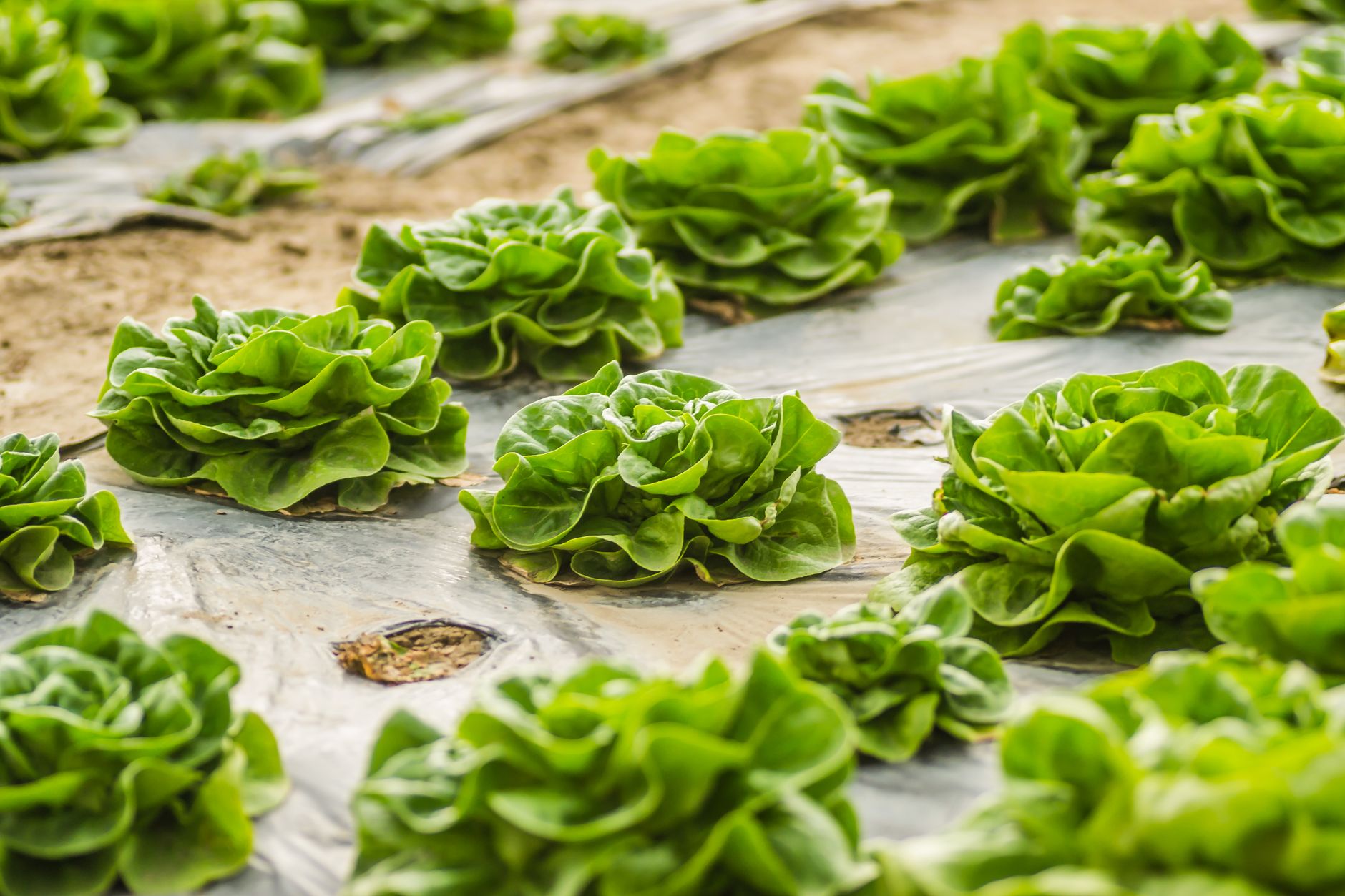
Lettuce is arguably the most shade-tolerant common vegetable, growing well with as little as 3-4 hours of direct sun, and actually benefiting from some afternoon shade in hot climates, where intense sun can cause it to bolt (flower prematurely) and turn bitter.
Spinach performs similarly well in partial shade and, like lettuce, benefits from some relief from intense sun, since spinach is also prone to bolting under the combination of heat and long daylight hours.
Kale tolerates partial shade better than many vegetables and remains productive even with reduced light, particularly valuable since kale's extended cut-and-come-again harvest season means it's occupying that shady spot for a long stretch of time.
Swiss chard, arugula, and mustard greens all perform reasonably well in partial shade too, rounding out a genuinely productive leafy green garden that can thrive in conditions that would leave fruiting vegetables struggling.
Grow Root Vegetables That Handle Reduced Light

Beets tolerate partial shade reasonably well, though roots typically develop somewhat smaller than they would in full sun; the greens, which are also edible, tend to be less affected by reduced light than the root itself.
Carrots grow acceptably in partial shade, particularly with at least 4-5 hours of direct sun, though expect a longer time to maturity and somewhat smaller roots compared to a full-sun planting.
Radishes, given their remarkably fast growth cycle, can often squeeze in a reasonable harvest even in partial shade before light conditions become a limiting factor, making them one of the more forgiving root vegetables for a shadier spot.
Turnips and rutabagas also tolerate partial shade reasonably well, following a similar pattern to beets and carrots, where the root grows somewhat smaller than in full sun but remains genuinely usable.
Grow a Few Shade-Tolerant Herbs and Alliums
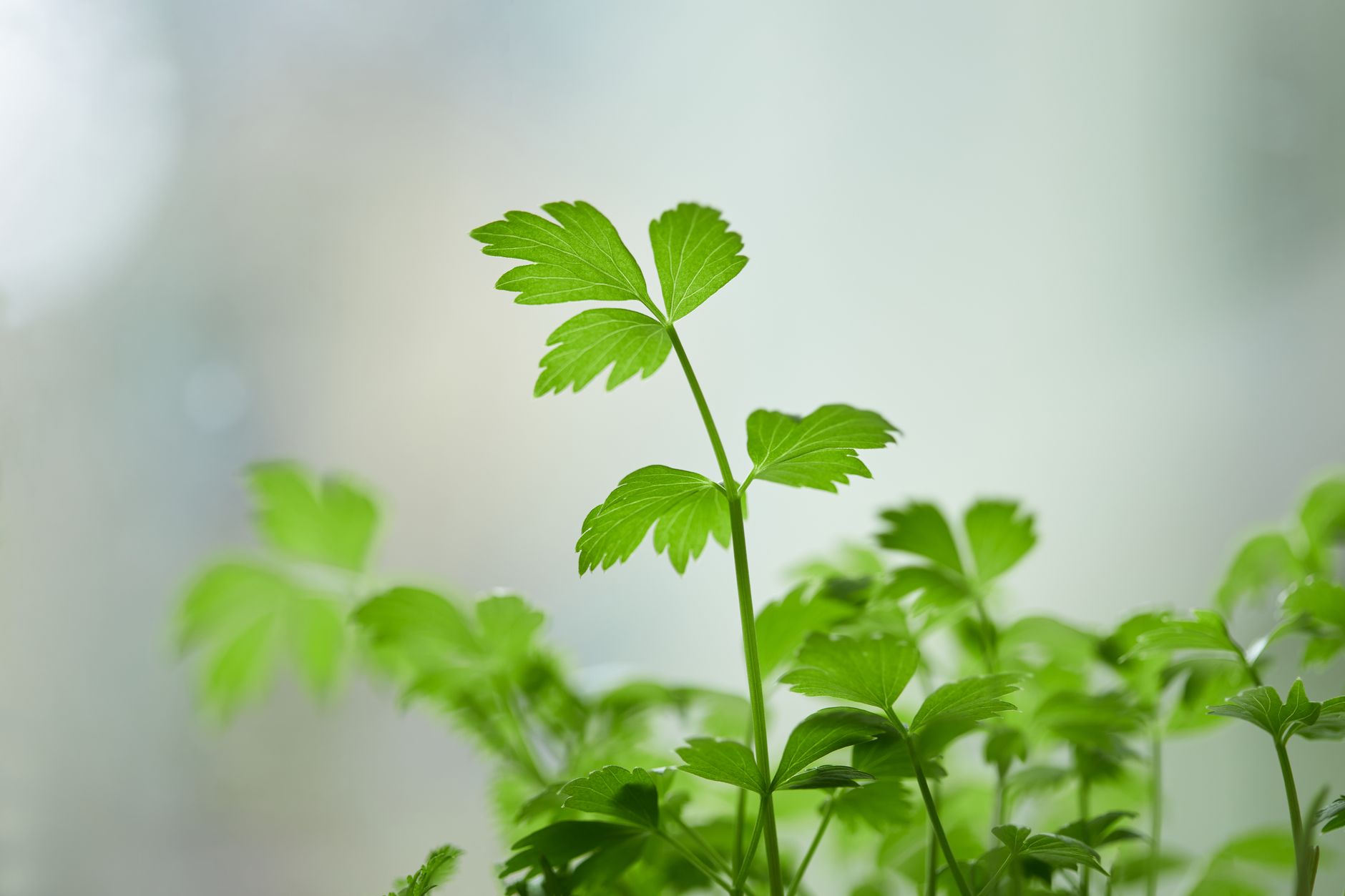
Green onions (scallions) and chives both tolerate partial shade well, continuing to produce usable growth even with reduced light, making them a reliable addition to a shadier garden corner.
Mint, parsley, and cilantro all handle partial shade reasonably well among common culinary herbs, with cilantro in particular sometimes benefiting from some shade since it, like lettuce and spinach, is prone to bolting in hot, sunny conditions.
Full-size onions and garlic generally need more consistent sun than their green onion relatives to form good bulbs, so reserve these for your sunniest available spot rather than the shadier sections of the garden.
Cilantro and mint in particular can be considered strategic choices for shade specifically because the reduced light actually slows their tendency to bolt or spread aggressively, turning a garden limitation into something of an advantage for these particular plants.
Know Which Vegetables Genuinely Need Full Sun

Tomatoes, peppers, and eggplant all genuinely need full sun, at least 6-8 hours of direct light daily, to produce a worthwhile harvest; plants grown in significant shade typically survive but produce few, if any, usable fruit.
Squash, cucumbers, melons, and pumpkins similarly need full sun for good fruit production, and shade-grown plants of these types are especially prone to disease issues like powdery mildew, since reduced airflow and light both favor fungal growth.
Corn absolutely requires full sun and also needs the block-planting arrangement covered in other guides for proper pollination, making it one of the least shade-adaptable vegetables in a home garden.
Reserve your sunniest available garden space specifically for these fruiting crops, and use the shade-tolerant categories covered earlier for the areas that simply can't provide the light these plants demand.
Adjust Your Care for Shade-Grown Vegetables
Shaded soil tends to stay moist longer than sunny areas, so watering needs are often somewhat reduced; monitor soil moisture directly rather than following a rigid schedule, since overwatering shade-grown plants is a more common issue than underwatering.
Space plants slightly wider than you might in full sun, since reduced light already limits growth somewhat, and additional crowding can further stress plants competing for the limited available light.
Expect a somewhat longer time to maturity for most shade-tolerant crops compared to the same variety grown in full sun, and adjust harvest expectations and succession planting schedules accordingly.
Consider that shade-grown vegetables, while still nutritious and flavorful, are often somewhat less productive per plant than their full-sun counterparts, so planting slightly more than you would in ideal conditions can help compensate for the difference.
Common problems and fixes
| Problem | Likely cause | What to do |
|---|---|---|
| Vegetables planted in shade are producing little to no harvest | The area may be receiving less than the minimum 3-4 hours of direct sun most vegetables need, even shade-tolerant ones. | Track actual sunlight hours more carefully, and consider that some areas may simply be too shaded for any vegetable production. |
| Shade-grown vegetables are smaller than expected | This is a normal, expected trade-off of reduced light rather than a growing mistake. | Adjust expectations accordingly, and plant slightly more than you would in full sun to compensate for typically smaller yields. |
| Fungal issues developing on shade-grown squash or cucumbers | Reduced airflow and light both favor fungal disease development in these particular crops. | Move fruiting, disease-prone crops to a sunnier location in future seasons, since shade isn't well suited to this category regardless of other care. |
Gardener's checklist
Test what you learned
What is generally considered the most shade-tolerant common vegetable?
Answer: Lettuce
How many hours of direct sun do most fruiting vegetables like tomatoes need?
Answer: 6-8+ hours
Why might cilantro actually benefit from some shade?
Answer: Reduced light and heat helps prevent premature bolting
Common questions
Can any vegetables grow in full, deep shade?
No vegetable genuinely thrives in deep, all-day shade with less than about 3 hours of direct or strong dappled light. Even the most shade-tolerant crops like lettuce and spinach need at least some meaningful daily light exposure to produce a worthwhile harvest.
Will shade-grown vegetables taste different from full-sun ones?
Generally, flavor remains largely similar, though shade-grown plants may be somewhat smaller and can sometimes have slightly milder flavor, particularly in leafy greens that would otherwise develop more bitterness under intense sun stress.
How much smaller are shade-grown root vegetables compared to full-sun ones?
This varies by crop and exact light conditions, but expect roots to run noticeably smaller, sometimes 25-50% less in size, in partial shade compared to a full-sun planting of the same variety.
Is it worth gardening in a shady yard at all?
Yes, a shady yard can still support a genuinely productive vegetable garden focused on leafy greens, quick root vegetables, and shade-tolerant herbs, even if it can't support the full range of vegetables a full-sun garden could grow.
A shady garden isn't a lost cause; it simply calls for a different crop selection, focused on leafy greens, quick root vegetables, and a handful of forgiving herbs, while reserving any available full-sun space for the fruiting vegetables that genuinely can't compromise on light.
Frequently asked questions
How often should a vegetable garden be watered?
Frequency depends on weather, soil and plant size. Check the soil rather than watering on a rigid schedule.
Is compost enough fertilizer?
Compost improves soil and provides nutrients slowly. Heavy-feeding crops may still need additional feeding.

The Sproutstead Editorial Team
We create clear, practical gardening and homesteading guides designed for real homes and beginner growers.
View author profile →