
Raise soil pH primarily using garden lime, either calcitic (calcium carbonate) or dolomitic (calcium and magnesium carbonate), which gradually neutralizes acidity as it reacts with soil over several weeks to months. Choose dolomitic lime specifically if your soil also needs magnesium, or calcitic lime if magnesium is already adequate. Apply based on soil test recommendations for the most accurate quantity, working lime into the top several inches of soil and retesting after adequate time has passed.
What you will need
Confirm Your Soil Actually Needs Raising

Test your soil's current pH before assuming it needs raising, since many gardeners apply lime based on general assumption about local soil tendencies rather than confirmed testing of their actual specific garden.
Most vegetables and common garden plants prefer pH 6.0-7.0, so raising pH is genuinely beneficial primarily when soil tests below this range, indicating acidic conditions that could limit nutrient availability.
Soil acidity is more common in regions with high rainfall, certain underlying rock types, or areas with a history of heavy organic matter accumulation, though local generalizations don't replace the value of testing your specific garden directly.
If you're growing acid-loving plants like blueberries alongside typical vegetables, avoid liming the entire garden uniformly, since this would push the acid-loving plants' dedicated area away from their specific needs.
Once you've confirmed genuinely acidic soil through testing, you have a clear, evidence-based foundation for deciding how much lime to apply rather than guessing at an appropriate amount.
Choose Between Calcitic and Dolomitic Lime
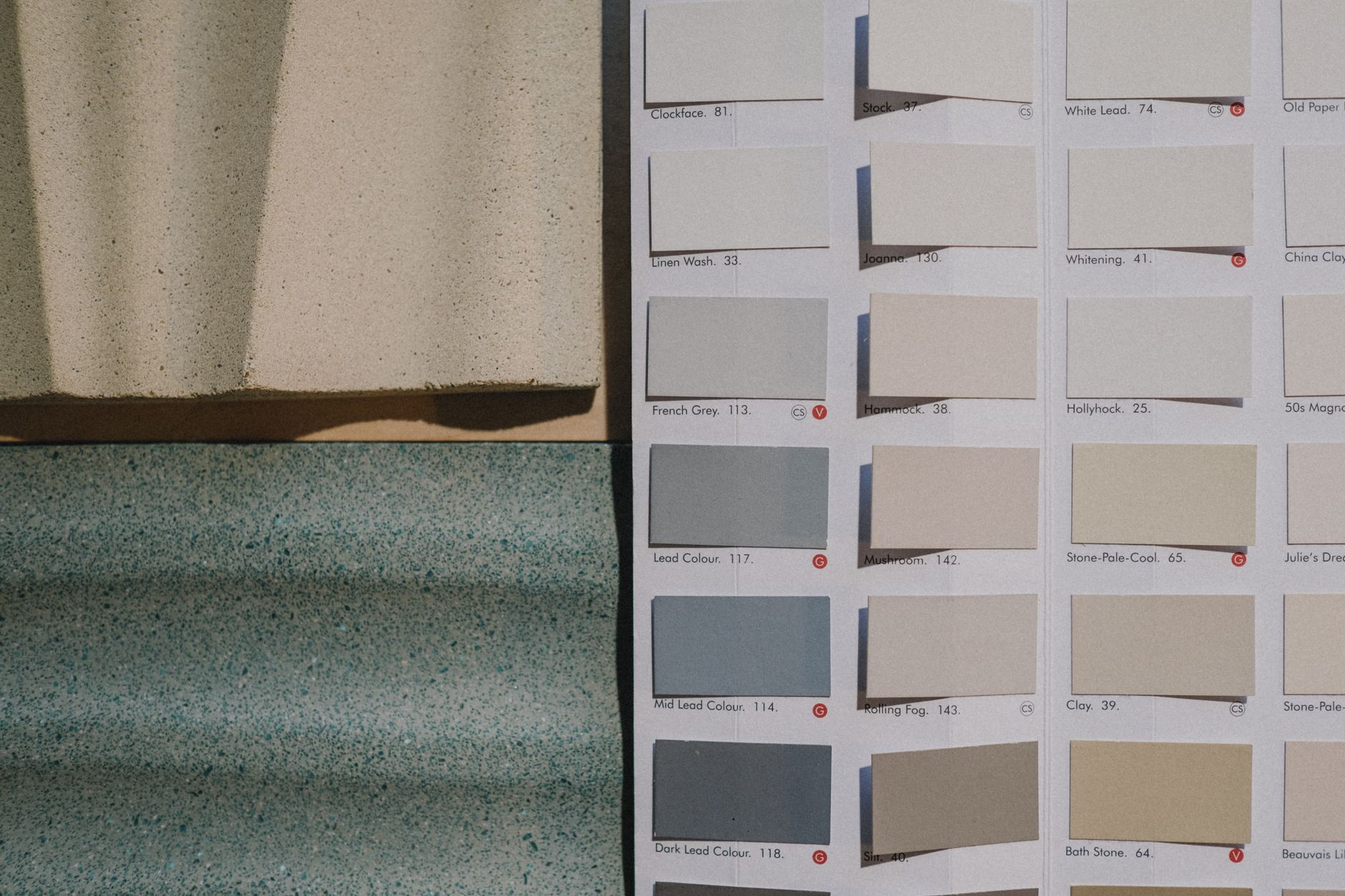
Calcitic lime (primarily calcium carbonate) raises pH while contributing calcium, appropriate when your soil test shows adequate magnesium already and you don't want to add more.
Dolomitic lime (calcium and magnesium carbonate) raises pH while contributing both calcium and magnesium, appropriate when your soil test shows both nutrients are needed alongside the pH correction.
Using dolomitic lime when magnesium is already adequate can push magnesium levels too high relative to calcium and potassium, potentially creating a nutrient imbalance rather than solving one, making this distinction genuinely worth checking through soil testing.
If you're uncertain which type suits your soil without a detailed soil test, calcitic lime is generally the safer default choice, since excess calcium alone is less likely to cause the same imbalance concerns as excess magnesium.
Both types are widely available at garden centers, typically sold as pelletized (easier, less dusty application) or powdered (faster reacting but messier to apply) products, offering some additional choice beyond just the calcitic versus dolomitic distinction.
Apply Based on Soil Test Recommendations

A professional soil test typically includes a specific lime recommendation calculated for your exact soil's current pH, target pH, and buffering capacity, providing far more precise guidance than generic per-square-foot estimates.
Without a professional test's specific recommendation, general guidelines suggest roughly 5-10 pounds of lime per 100 square feet to raise pH by about one point, though this varies considerably based on soil type, with clay soil typically needing more than sandy soil for the same change.
Spread lime evenly across the treatment area using a garden spreader for larger areas or careful hand distribution for smaller beds, avoiding concentrated piles that could create locally excessive pH change.
Work lime into the top several inches of soil rather than leaving it entirely on the surface, which improves contact with the soil and speeds the neutralizing reaction compared to surface application alone.
If your calculated amount seems like a large quantity, consider splitting the application across two sessions spaced several months apart rather than one very heavy single application, which can be gentler on soil biology and easier to monitor for overcorrection.
Time Applications for Best Effect

Apply lime in fall for the following spring's planting when possible, giving the gradual neutralizing reaction several months to meaningfully affect soil pH before you need the bed ready for planting.
If applying in spring, do so as early as possible before your intended planting date, understanding that the pH change will be less complete than a fall application would achieve by planting time.
Lime reacts more slowly in cold soil, meaning applications made during winter dormancy in colder climates may not show significant effect until soil warms in spring and biological activity increases.
For an already-established garden bed with existing plants, work lime carefully around plants without disturbing roots excessively, or apply as a top-dressing that will gradually work into the soil through watering and natural soil movement.
Consider your specific planting timeline when deciding how far in advance to apply lime, since rushing the process by applying too close to planting time means your plants won't benefit from the full intended pH correction.
Consider Wood Ash as a Faster Alternative

Wood ash from untreated wood raises soil pH similarly to lime, often acting somewhat faster, while also contributing potassium and trace minerals that lime alone doesn't provide.
Use wood ash more sparingly than lime, since its concentrated alkalinity means smaller quantities produce meaningful pH change, and overapplication risks pushing pH too high more easily than with lime's more moderate action.
Only use ash from genuinely untreated, natural wood, never from charcoal briquettes or chemically treated lumber, which could introduce unwanted substances into your garden soil.
Wood ash works particularly well for gardeners who already burn wood for heat, providing a genuinely useful way to utilize this byproduct rather than simply discarding it, provided application stays appropriately measured.
Combine wood ash with lime if desired, using both to address different aspects of your soil's needs, though monitor combined application carefully to avoid overcorrecting pH through the cumulative effect of both amendments together.
Retest and Monitor Long-Term

Wait several weeks to a few months before retesting after applying lime, since the neutralizing reaction takes genuine time to meaningfully affect soil pH, particularly in cooler conditions.
If pH hasn't moved as expected after adequate time, consider whether your soil's buffering capacity (its resistance to pH change, often higher in soils with more organic matter or clay content) required a larger application than initially calculated.
Once you've achieved your target pH range, plan for periodic maintenance applications, since soil naturally tends to drift back toward its original acidity over time, particularly in regions with naturally acidic rainfall or underlying geology.
Retest every 2-3 years even after achieving your target pH, confirming it remains stable rather than assuming a single successful correction will persist indefinitely without any ongoing attention.
Track your specific soil's response to liming over multiple seasons, building genuine understanding of how much lime and how much time your particular soil needs, which helps you plan future maintenance more efficiently based on direct experience rather than generic guidelines alone.
Plant with Confidence Once pH Is Corrected
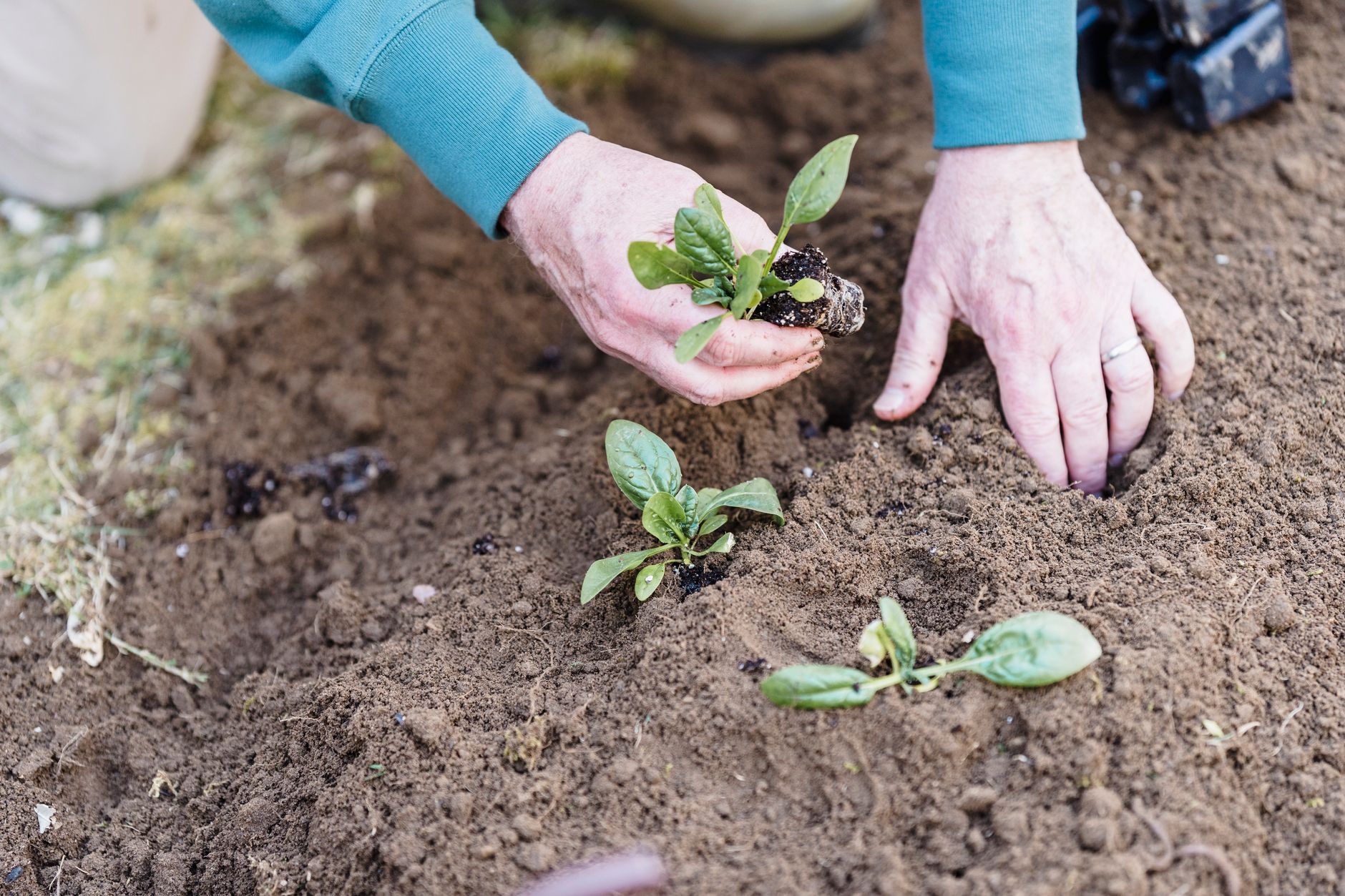
Once soil pH reaches the appropriate 6.0-7.0 range for most vegetables, plant with confidence that nutrients already present in your soil will be more readily available to developing roots than they were under more acidic conditions.
Continue regular soil-building practices like compost application alongside your corrected pH, since appropriate pH alone doesn't guarantee complete soil fertility without adequate organic matter and nutrient content as well.
Watch for improved plant vigor and reduced deficiency symptoms as evidence that your pH correction is genuinely translating into better growing conditions, beyond just the numeric soil test confirmation.
Plan future plantings with your corrected pH baseline in mind, since you now have a meaningfully improved foundation for whatever crops you choose to grow in that specific area going forward.
Common problems and fixes
| Problem | Likely cause | What to do |
|---|---|---|
| pH doesn't rise as much as expected despite adding lime | Soil's buffering capacity required more lime than initially calculated, or insufficient time has passed since application. | Wait longer before retesting, and consider an additional application if pH remains below target after adequate time. |
| pH rises above target range after liming | Overapplication, or a soil with lower buffering capacity than typical, reacting more strongly to the applied amount. | Allow time for the effect to stabilize before making further adjustments, and consider elemental sulfur if pH needs to come back down somewhat. |
Gardener's checklist
Test what you learned
What is the difference between calcitic and dolomitic lime?
Answer: Dolomitic lime also contains magnesium, calcitic doesn't
When is the ideal timing for lime application?
Answer: Fall, before spring planting
How often should pH be retested even after achieving target range?
Answer: Every 2-3 years
Common questions
How long does it take for lime to raise soil pH?
Several weeks to months, since the neutralizing reaction takes genuine time, particularly in cooler soil conditions; fall application allows more time to react before spring planting compared to a spring application.
Should I use calcitic or dolomitic lime?
Choose dolomitic lime if your soil test shows both low pH and low magnesium, or calcitic lime if magnesium is already adequate, since dolomitic lime's added magnesium could create imbalance if magnesium isn't actually needed.
Can wood ash replace garden lime?
Wood ash can serve a similar pH-raising purpose and often acts faster, while also contributing potassium, though it requires more careful, measured application given its more concentrated alkalinity compared to standard lime products.
Does soil pH stay raised permanently after liming?
No, soil naturally tends to drift back toward its original acidity over time due to factors like rainfall and ongoing biological activity, making periodic retesting and maintenance applications a genuinely ongoing part of soil management.
How much lime do I need for a small backyard vegetable garden?
This depends heavily on your specific soil's current pH and buffering capacity, but general guidelines suggest roughly 5-10 pounds per 100 square feet to raise pH by about one point, with a professional soil test providing far more precise, tailored guidance.
Is pelletized or powdered lime better?
Pelletized lime is easier and less dusty to apply, particularly with a spreader, while powdered lime reacts somewhat faster once applied; both achieve the same eventual pH-raising effect, so the choice largely comes down to application convenience preference.
Raising soil pH successfully comes down to confirming genuine need through testing, choosing the appropriate lime type for your soil's specific magnesium status, and allowing adequate time for the gradual neutralizing reaction to produce meaningful, lasting results.
Frequently asked questions
How often should a vegetable garden be watered?
Frequency depends on weather, soil and plant size. Check the soil rather than watering on a rigid schedule.
Is compost enough fertilizer?
Compost improves soil and provides nutrients slowly. Heavy-feeding crops may still need additional feeding.

The Sproutstead Editorial Team
We create clear, practical gardening and homesteading guides designed for real homes and beginner growers.
View author profile →

