
Lavender is best propagated from stem cuttings taken in spring or early summer. Cut 4-6 inch non-flowering stems, remove lower leaves, dip the cut end in rooting hormone, and plant in well-draining soil or place in water. For water propagation, roots appear in 2-4 weeks. For soil propagation, roots develop in 4-6 weeks. Lavender can also be propagated by layering—bending a low branch to the ground and covering it with soil. The key to success is using semi-hardwood cuttings (not too soft, not too woody), providing bright indirect light, and maintaining consistent moisture without overwatering. Lavender is slow to root but well worth the wait.
What you will need
Choose the Right Time and Plant Material
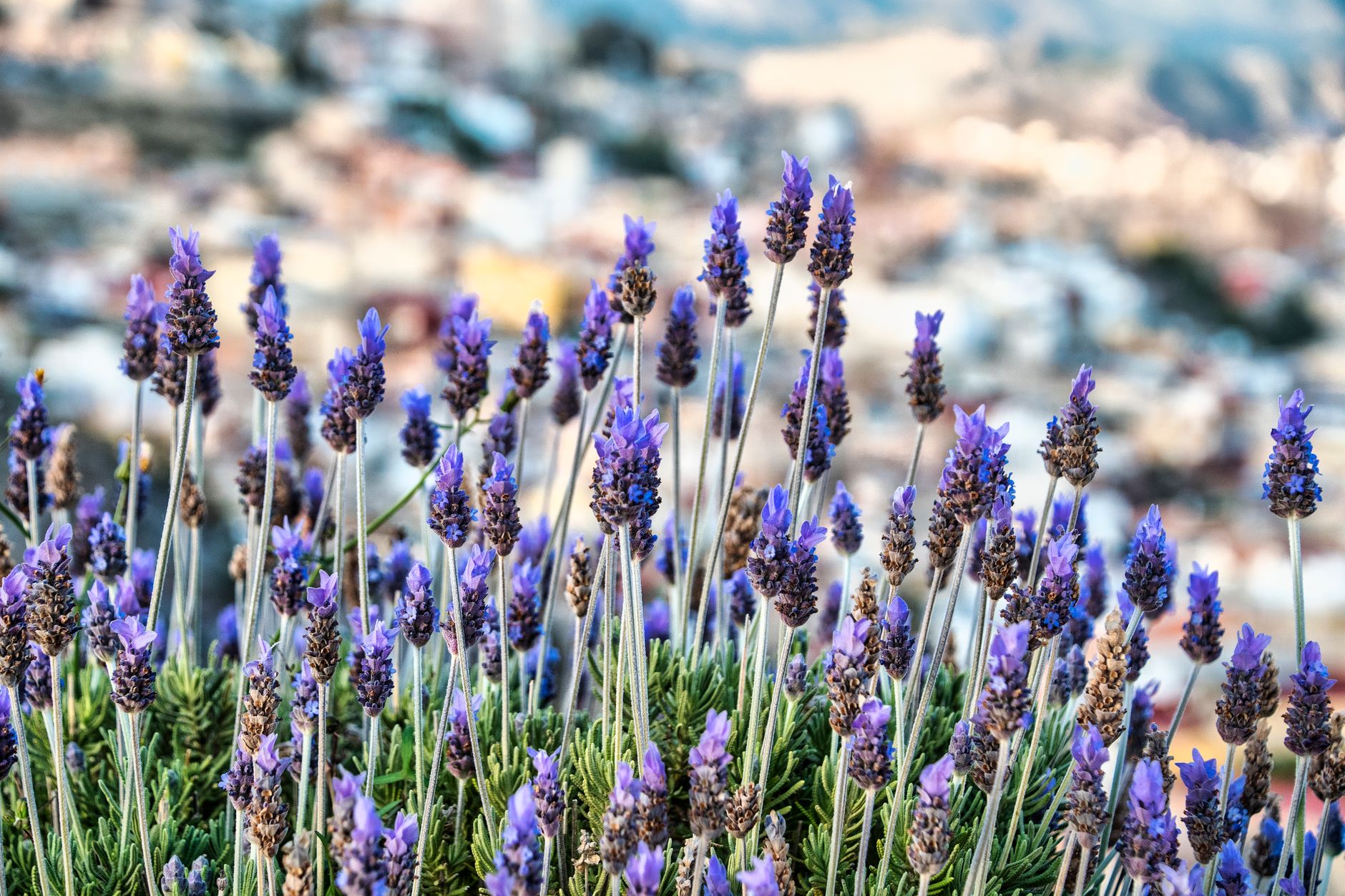
Best time: Spring to early summer (April to June) is ideal. The plant is actively growing, and cuttings root faster. You can also propagate in late summer, but rooting is slower.
Choose the right stems: Select healthy, non-flowering stems. Semi-hardwood stems (firm but still flexible) are best. Avoid old, woody stems—they root poorly.
Signs of a good cutting: The stem should be firm but bendable. If it snaps when bent, it's too woody. If it bends without resistance, it's too soft.
Where to cut: Take cuttings from the tips of the branches—this is where the most vigorous growth is.
After flowering: The best time is just after the plant has finished flowering. The plant is focusing energy on new growth.
Take 4-6 Inch Stem Cuttings
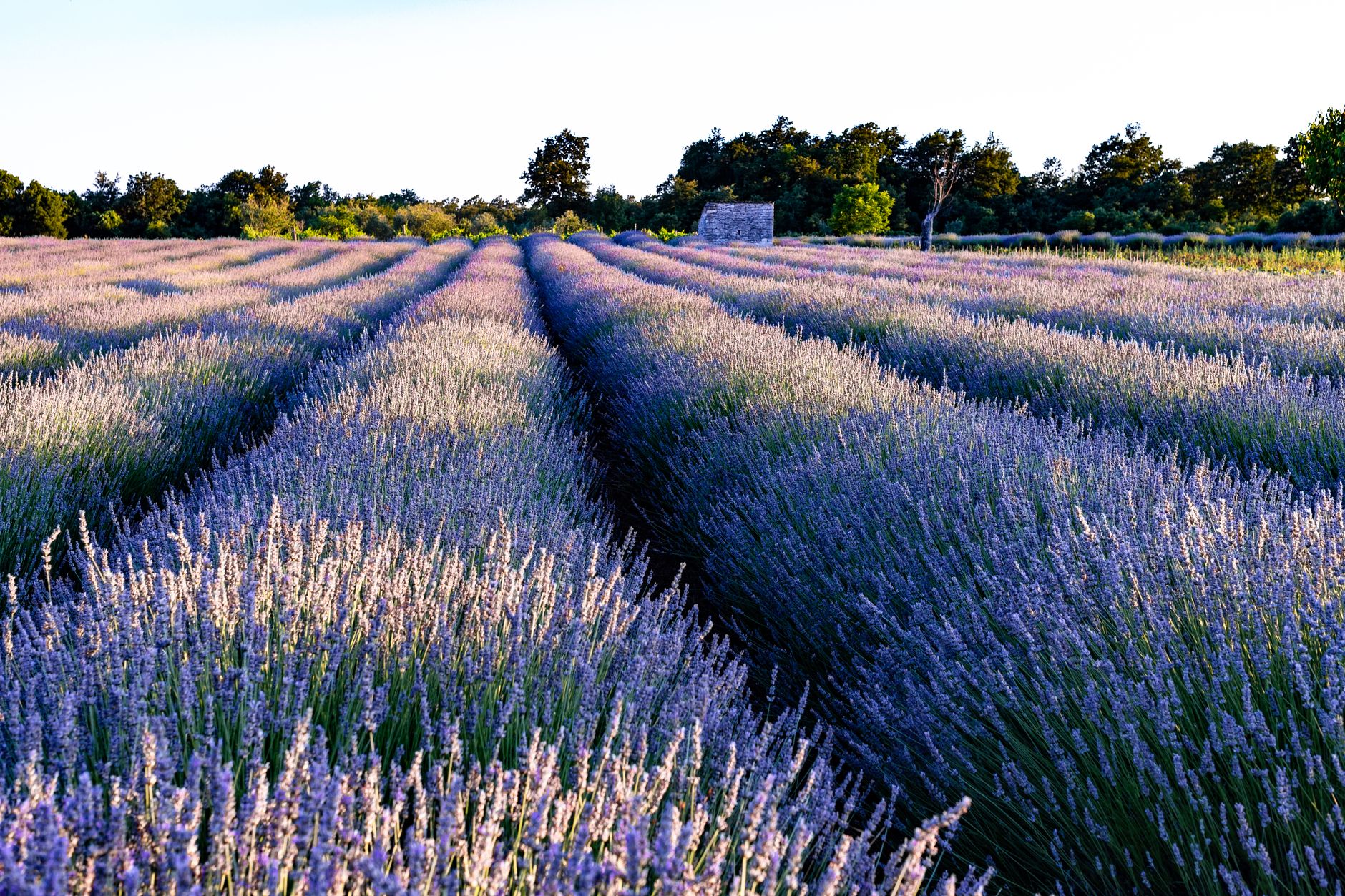
Cut length: Take cuttings 4-6 inches (10-15 cm) long. This gives enough stem for rooting and new growth.
Cut angle: Cut just below a leaf node (the bump where leaves attach) at a 45-degree angle. This increases the surface area for rooting.
Sterilize tools: Wipe your pruners with rubbing alcohol before and between cuts to prevent disease spread.
Remove lower leaves: Strip the leaves from the bottom 2-3 inches of the cutting. Leave 2-3 sets of leaves at the top. This prevents leaves from rotting in water or soil.
Multiple cuttings: Take 5-10 cuttings to increase your chances of success. Lavender can be slow to root, so more is better.
Keep cuttings moist: Place cut stems in a glass of water or wrap in a damp paper towel while preparing the propagation setup.
Dip in Rooting Hormone
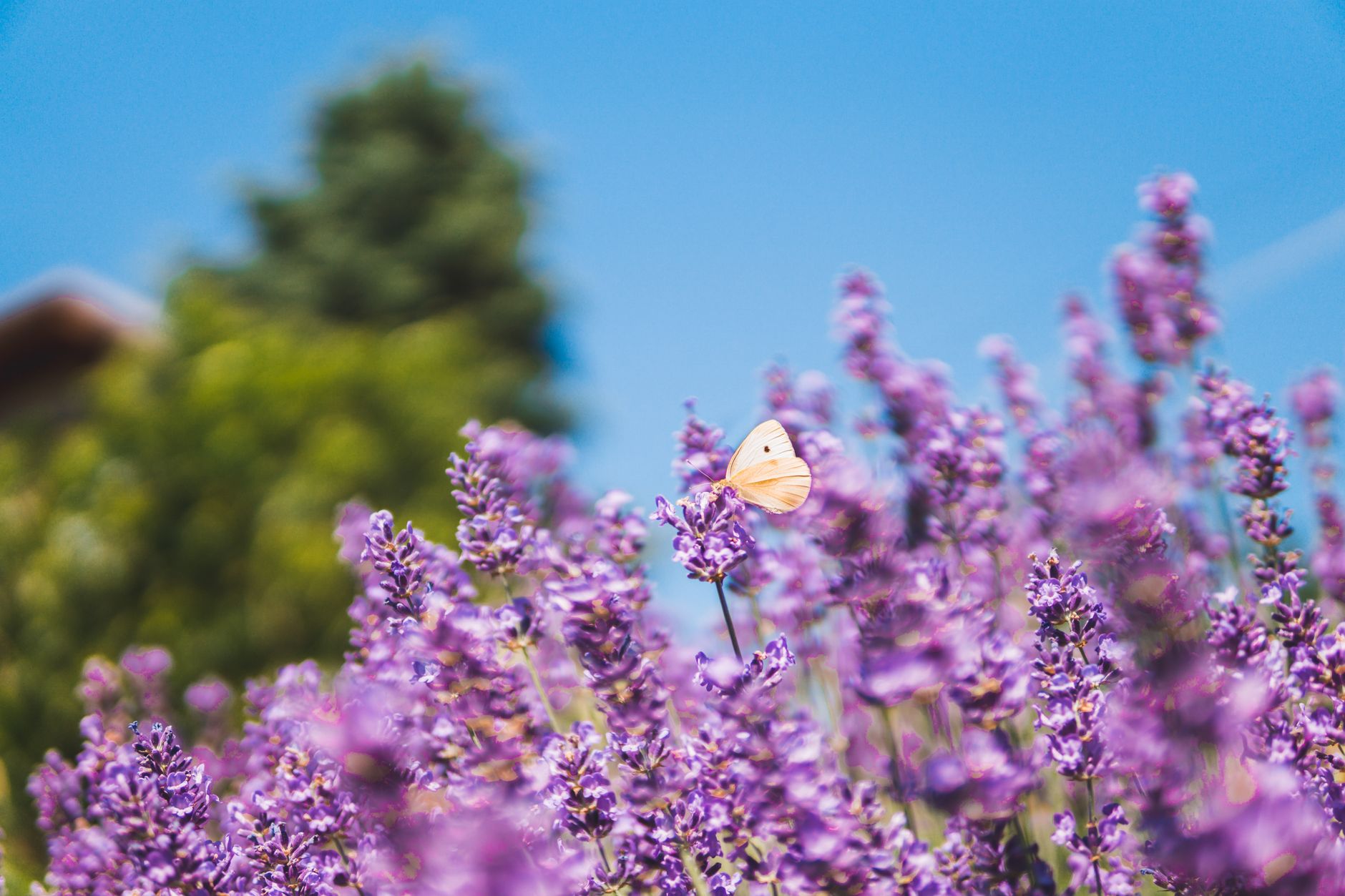
Why use rooting hormone: Lavender roots slowly and can be challenging to propagate without help. Rooting hormone dramatically improves success rates and speeds up rooting by 1-2 weeks.
How to apply: Pour a small amount of rooting hormone powder or gel into a separate container (don't dip directly into the bottle to avoid contamination). Dip the cut end (the bottom 1 inch) into the powder or gel. Tap off excess.
Types: Both powder and gel work well. Choose a product labeled for semi-hardwood cuttings.
Strongly recommended: Lavender is one of those plants where rooting hormone is highly recommended. Success rates can jump from 40-50% to 80-90%.
Natural alternatives: Some people use honey or cinnamon as natural alternatives, but they are not as effective as commercial rooting hormone.
Allow Cuttings to Callus (Optional)
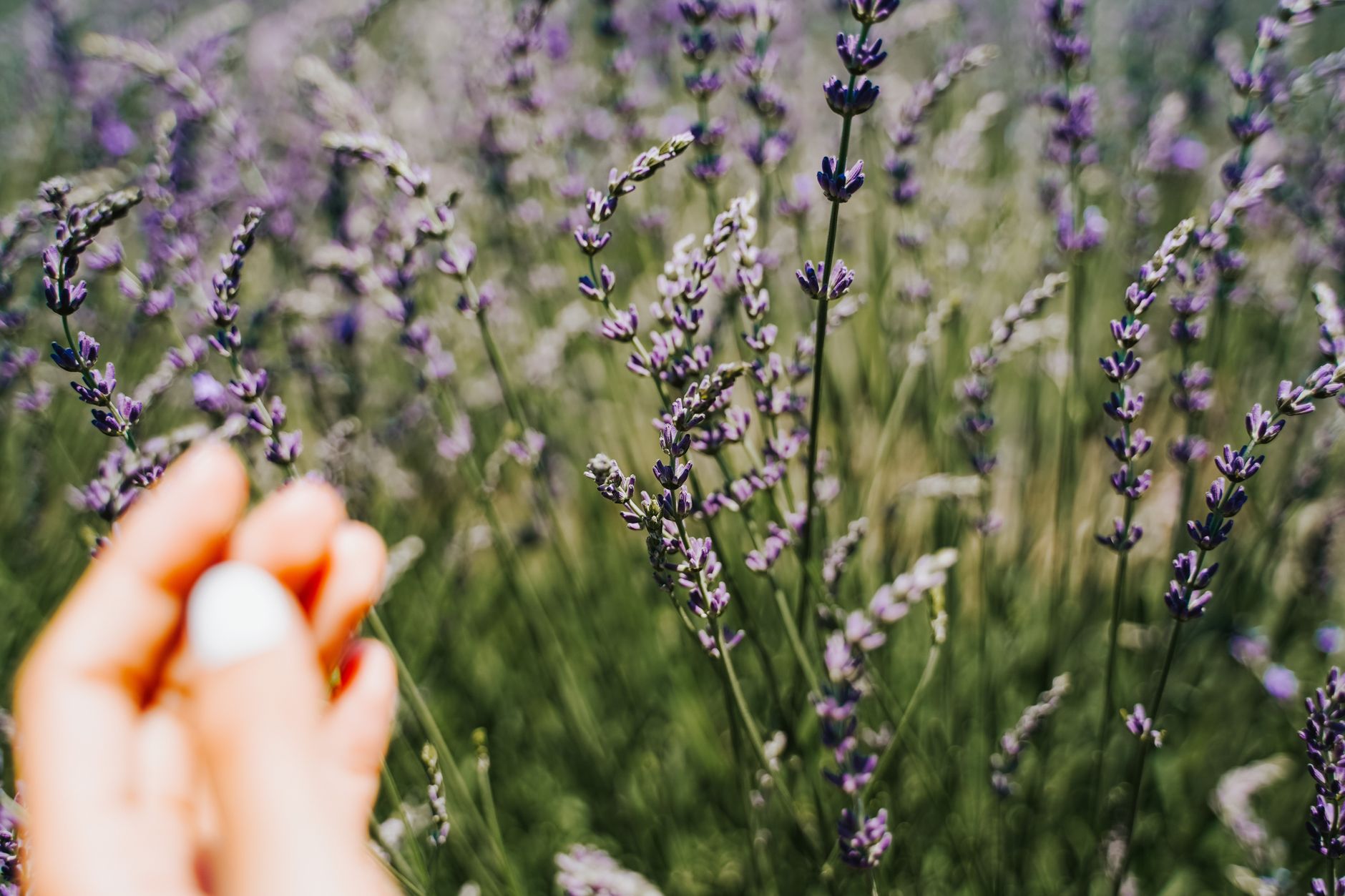
What is callusing: Callusing is when the cut end dries and forms a protective layer. This prevents bacteria from entering and causing rot.
How to callus: Place the cut cuttings on a paper towel in a warm, dry place out of direct sunlight for 1-2 hours (or up to overnight).
Optional but helpful: Lavender stems are relatively woody, so callusing is less critical than for succulent cuttings. However, it can help prevent rot in water propagation.
If you skip: Cuttings can still root successfully, especially if planted directly in soil. For water propagation, callusing is more important to prevent bacterial rot.
Don't dry too long: Lavender stems shouldn't be dried for more than a few hours—they can lose too much moisture and fail to root.
Water Propagation (Step-by-Step)
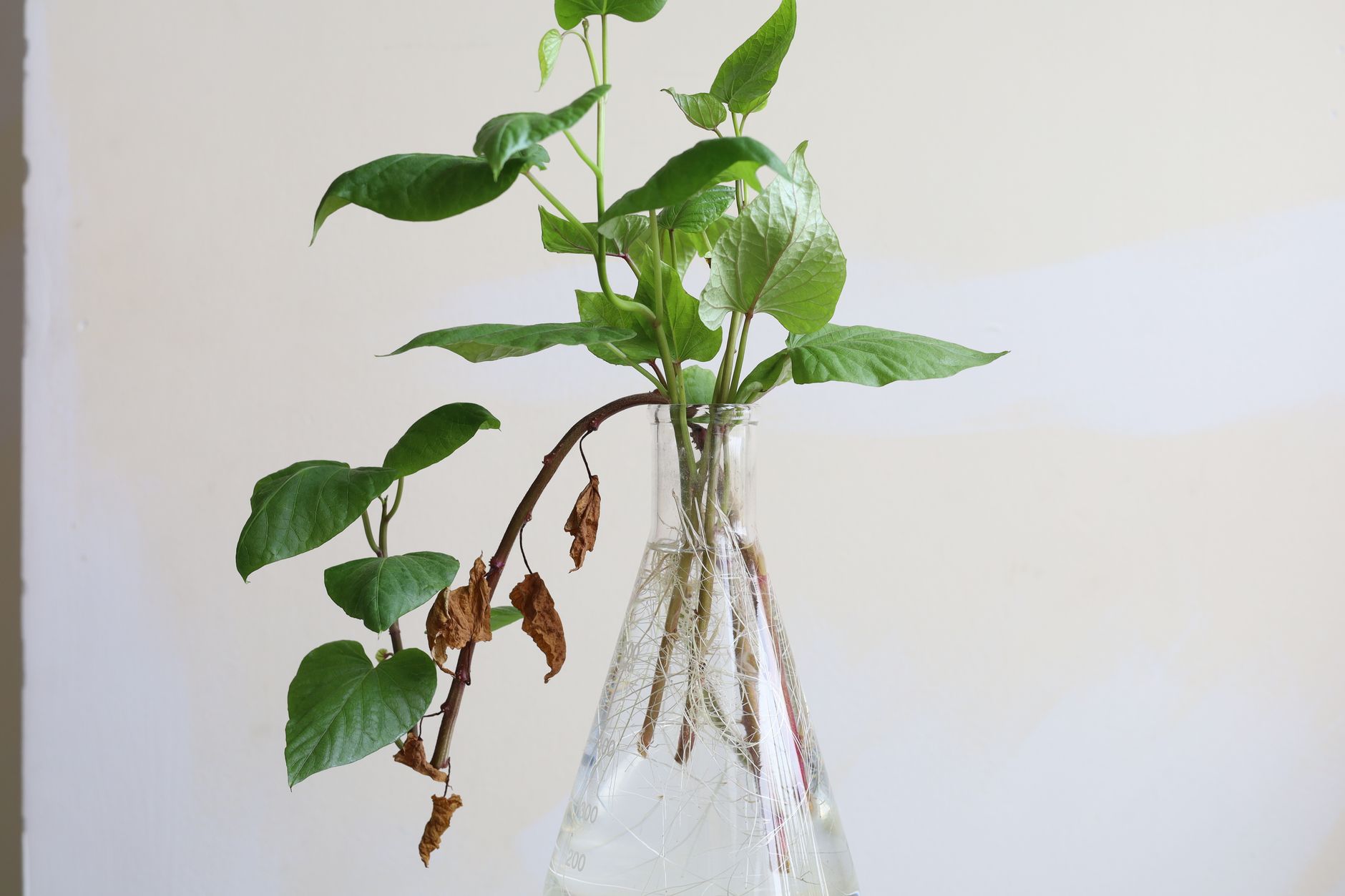
Fill the jar: Place the cuttings in a clean glass or jar. Add enough room-temperature water to submerge the bottom 2-3 inches (the leafless part).
Water level: Only the leafless part of the stem should be in water. Leaves submerged in water will rot.
Place in bright, indirect light: A windowsill with filtered light is ideal. Avoid direct sunlight, which can promote algae growth.
Change water regularly: Replace the water every 3-4 days with fresh, room-temperature water. This prevents bacteria growth and provides oxygen.
Watch for roots: Roots typically appear in 2-4 weeks. You'll see small white roots emerging from the cut end.
When to plant: Wait until roots are at least 2 inches long (4-6 weeks). Lavender roots from water can be fragile, so handle gently when transplanting.
Note: Soil propagation often produces stronger roots than water propagation. Consider moving to soil as soon as roots appear.
Soil Propagation (Step-by-Step)
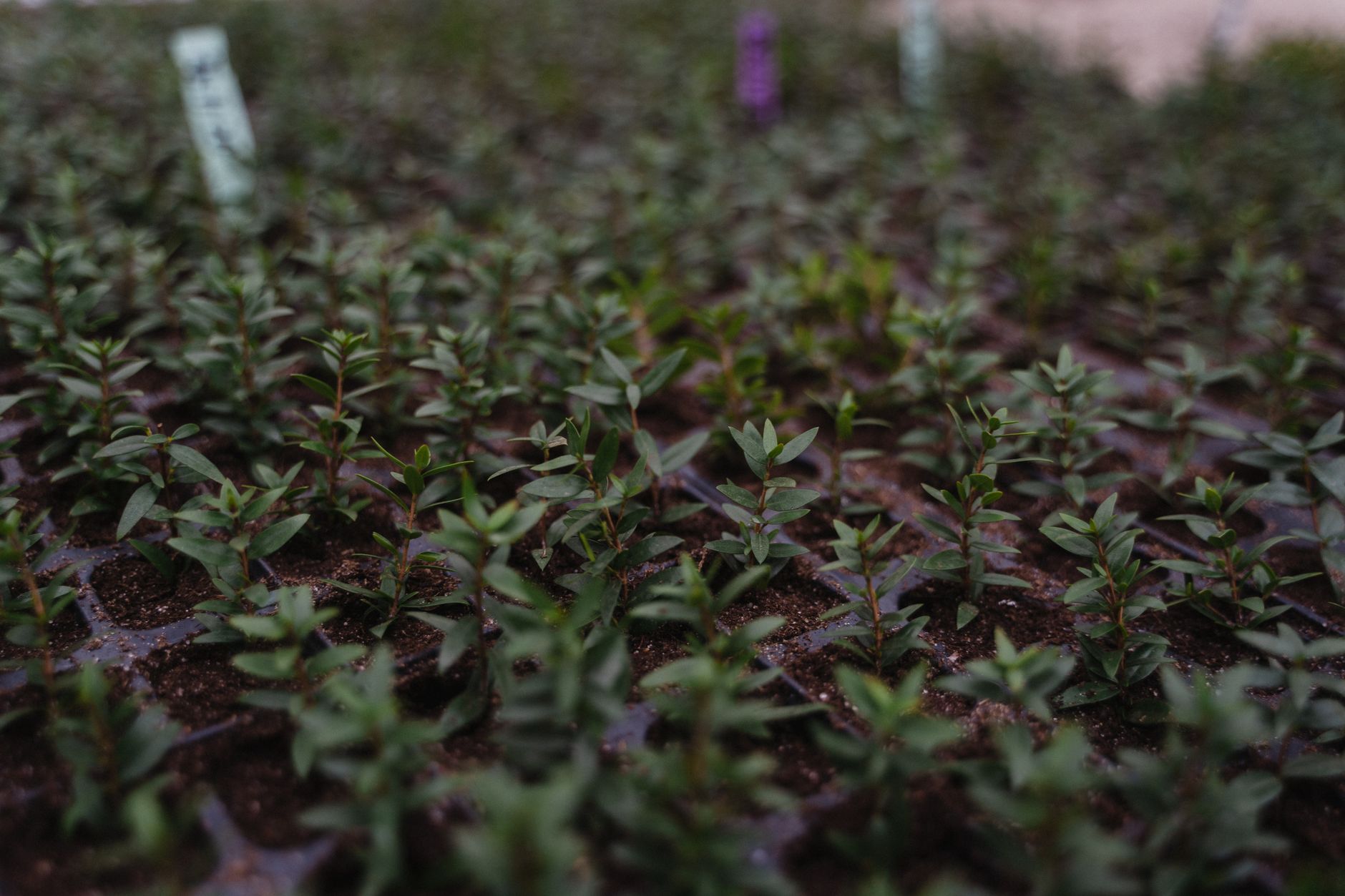
Prepare the soil: Use a well-draining potting mix. A mix of 50% regular potting soil and 50% perlite or coarse sand is ideal. Lavender roots are susceptible to rot in heavy, wet soil.
Fill the pot: Fill a small pot (3-4 inches) with drainage holes with the soil mix. Moisten the soil slightly (damp, not wet).
Insert the cutting: Make a hole in the soil with a pencil or stick. Insert the cutting about 2-3 inches deep (burying the leafless part of the stem). Gently firm the soil around the cutting.
Water lightly: Water lightly after planting to settle the soil. Then allow the soil to dry slightly between waterings.
Mist regularly: Mist the leaves daily for the first 1-2 weeks to maintain humidity around the cutting.
Cover for humidity: For even better results, cover the pot with a clear plastic bag or humidity dome. This traps moisture and encourages rooting. Remove the bag daily for a few minutes to prevent mold.
Place in bright, indirect light: A warm spot with bright, indirect light is ideal.
Roots appear: In 4-6 weeks, roots will develop. You'll know it's rooted when you see new growth at the top or feel resistance when you gently tug the cutting.
Layering Method (Alternative)
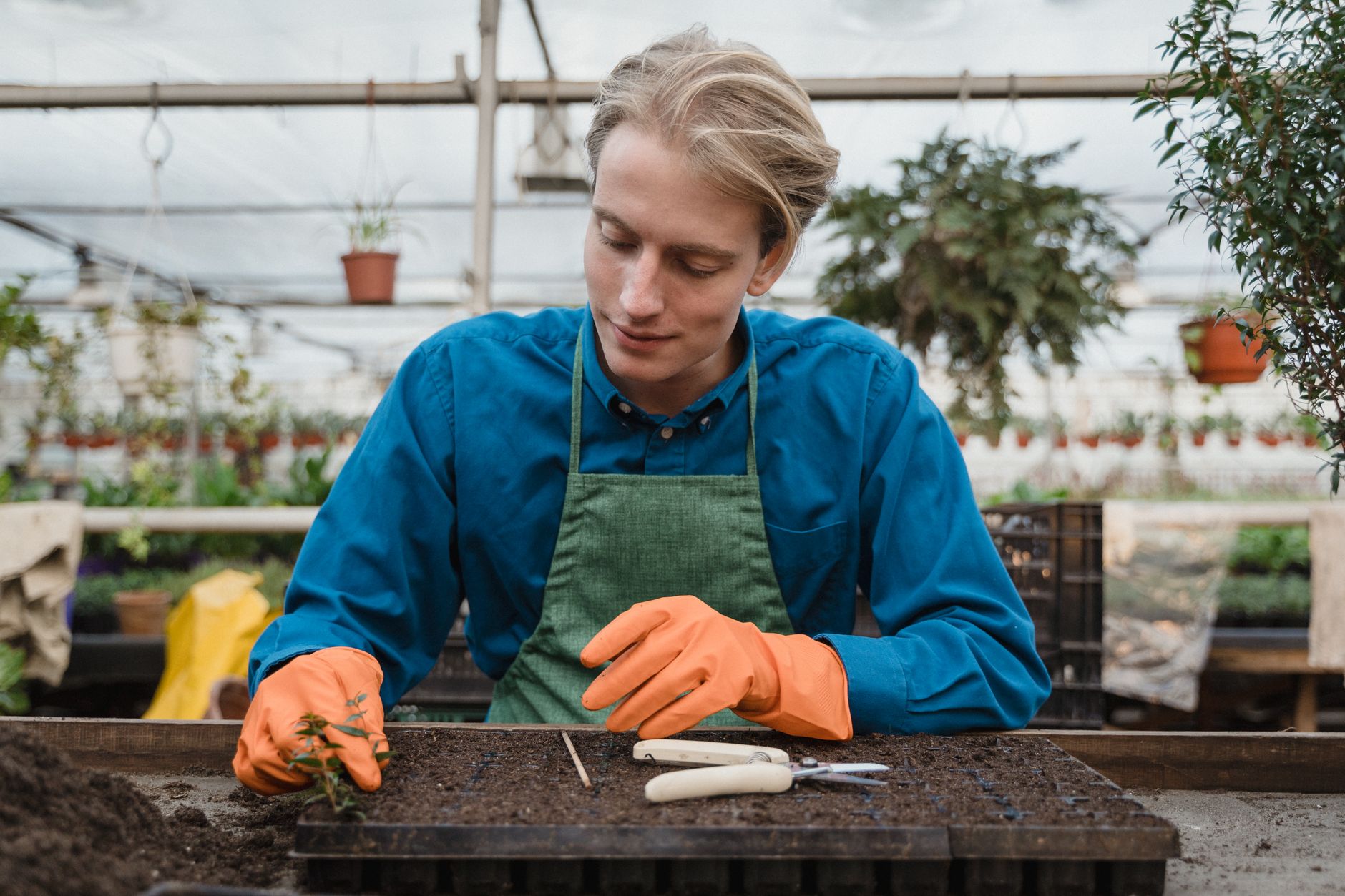
What is layering: Layering involves bending a low-growing branch to the ground and covering a section of it with soil. The branch roots while still attached to the mother plant.
How to do it: Select a low, flexible branch. Bend it to the ground. Nick or scrape the bark on the underside of the branch at the point where it touches the soil. Bury that section 2-3 inches deep, leaving the tip exposed. Secure with a rock or landscape pin.
Water and wait: Keep the soil over the layered section moist. In 4-8 weeks, roots will form.
Separate: Once roots are established, cut the branch from the mother plant and transplant the new plant.
Why it works: The branch continues to receive nutrients from the mother plant while developing its own root system. Success rates are very high.
Best for: Great for woody lavender varieties that don't root well from cuttings.
Transplant and Care for New Lavender Plants

When to transplant (water propagation): Wait until roots are at least 2 inches long (4-6 weeks). Gently remove from water and plant in soil.
When to transplant (soil propagation): Wait until you see new growth at the top or feel resistance when gently tugging the cutting (4-6 weeks).
Choosing a pot: Use a pot with drainage holes (4-6 inches). Lavender prefers to be slightly root-bound.
Soil: Use well-draining potting soil with perlite or sand. Lavender hates wet feet.
Aftercare: Place in full sun (at least 6-8 hours) for best growth. Water when the top inch of soil feels dry. Lavender is drought-tolerant once established.
Fertilizing: Lavender doesn't need much fertilizer. Wait 2-3 months, then use a balanced fertilizer diluted to half strength in spring.
Pruning: Pinch off the tips to encourage bushy growth. In spring, prune back to shape.
Common problems and fixes
| Problem | Likely cause | What to do |
|---|---|---|
| Cutting turns brown or black in soil | Overwatering or lack of drainage. | Let soil dry completely. Ensure pot has drainage holes. Add more perlite to the soil mix. |
| Cutting turns mushy in water | Bacteria in water or no callusing. | Remove affected cutting. Change water and sterilize the jar. Try again with fresh cutting. |
| No roots after 8 weeks | Not enough light, too cold, or woody cutting. | Move to brighter, warmer spot. Try semi-hardwood cuttings next time. |
| Leaves turning yellow or dropping | Overwatering or stress. | Let soil dry out. Reduce watering. Ensure good drainage. |
Gardener's checklist
Test what you learned
What type of stem is best for lavender propagation?
Answer: Semi-hardwood (firm but flexible)
Why is rooting hormone recommended for lavender propagation?
Answer: It speeds up rooting and improves success rates
How long does it typically take for lavender cuttings to root in soil?
Answer: 4-6 weeks
What is the best type of soil for rooting lavender cuttings?
Answer: Well-draining soil with perlite
Common questions
Can I propagate lavender in water?
Yes, lavender cuttings root in water. Change the water every 3-4 days, and roots will appear in 2-4 weeks. However, soil propagation often produces stronger roots.
How long does it take for lavender cuttings to root?
In water, roots appear in 2-4 weeks. In soil, roots appear in 4-6 weeks. Some varieties may take up to 8 weeks.
Can I propagate lavender from a single leaf?
No, lavender does not propagate well from single leaves. You need a stem cutting with several nodes for rooting.
Do I need rooting hormone for lavender?
It's not required, but highly recommended. Lavender roots slowly and rooting hormone significantly improves success rates and speeds up rooting.
How do I know if my lavender cutting has rooted?
In soil, gently tug the cutting—if you feel resistance, roots have formed. New growth at the top is also a good sign. In water, you can see the roots directly.
Propagating lavender is a rewarding way to expand your herb garden. The key to success is using semi-hardwood cuttings (firm but flexible), dipping them in rooting hormone, and providing bright, indirect light and consistent moisture. Water propagation is visually rewarding and lets you monitor root growth, but soil propagation often produces stronger, more resilient plants. Be patient—lavender can take 4-8 weeks to root, but the wait is well worth it. With a little practice, you'll soon have plenty of lavender plants for your garden, gifts, and enjoying the beautiful fragrance.
Frequently asked questions
How often should a vegetable garden be watered?
Frequency depends on weather, soil and plant size. Check the soil rather than watering on a rigid schedule.
Is compost enough fertilizer?
Compost improves soil and provides nutrients slowly. Heavy-feeding crops may still need additional feeding.

The Sproutstead Editorial Team
We create clear, practical gardening and homesteading guides designed for real homes and beginner growers.
View author profile →

