Plant zucchini seeds directly in the garden after the last frost, once soil is at least 60-65°F, spacing plants 2-3 feet apart in full sun. Water consistently at the base, ensure good pollination, and harvest young, about 6-8 inches long, every 1-2 days once fruiting begins, since zucchini grows extremely fast and quickly becomes tough and seedy if left too long.
What you will need
Plant Seeds After Soil Has Warmed

Direct-sow zucchini seeds about an inch deep once soil has warmed to at least 60-65°F, typically a week or two after your last spring frost date, since seeds planted into cold, wet soil are prone to rotting before they germinate.
Plant 2-3 seeds per hole or hill and thin to the strongest single seedling once true leaves appear, rather than trying to grow multiple plants crowded into the same small spot.
Zucchini can also be started indoors 2-3 weeks before your last frost in biodegradable pots for gardeners wanting an earlier harvest, though its roots are somewhat sensitive to disturbance, so minimizing transplant shock matters more than with many other vegetables.
For a continuous supply through the whole season, consider a second planting 4-6 weeks after the first, since zucchini plants often decline in productivity or succumb to pests and disease by late summer, and a fresh planting can carry the harvest into fall.
Prepare Rich Soil and Give Plants Room

Work 2-3 inches of compost or aged manure into the soil before planting, since zucchini is a heavy feeder that grows and produces fruit remarkably quickly, drawing significant nutrients from the soil throughout its productive season.
Space plants 2-3 feet apart, since a single mature zucchini plant can spread 3-4 feet wide with its large leaves, and crowded plants compete heavily for light, nutrients, and airflow, which increases disease risk considerably.
Choose a full-sun location receiving at least 6-8 hours of direct light daily, and ensure the soil drains well, since zucchini roots are prone to rot in soil that stays consistently waterlogged.
A soil pH between 6.0 and 6.8 suits zucchini well; testing beforehand isn't strictly necessary for most home gardens with already-decent soil, but it's worth checking if you've had trouble with squash family crops in the past.
Water Consistently at the Base

Water deeply once or twice a week, providing about 1-2 inches total, always watering at the base of the plant rather than overhead, which significantly reduces the risk of powdery mildew, a disease zucchini is particularly prone to.
Mulch around the base of plants with straw once they're established, which helps retain soil moisture, suppress weeds, and keep developing fruit from sitting directly on bare, potentially damp soil.
Inconsistent watering is a common cause of blossom end rot, a condition where the blossom end of the fruit turns dark and mushy; maintaining steady, even soil moisture is the most effective prevention.
During particularly hot, dry stretches of summer, zucchini's large leaves can wilt noticeably during the hottest part of the afternoon even when soil moisture is adequate; check the soil directly before assuming this heat wilting means the plant needs more water.
Support Pollination for Reliable Fruit Set
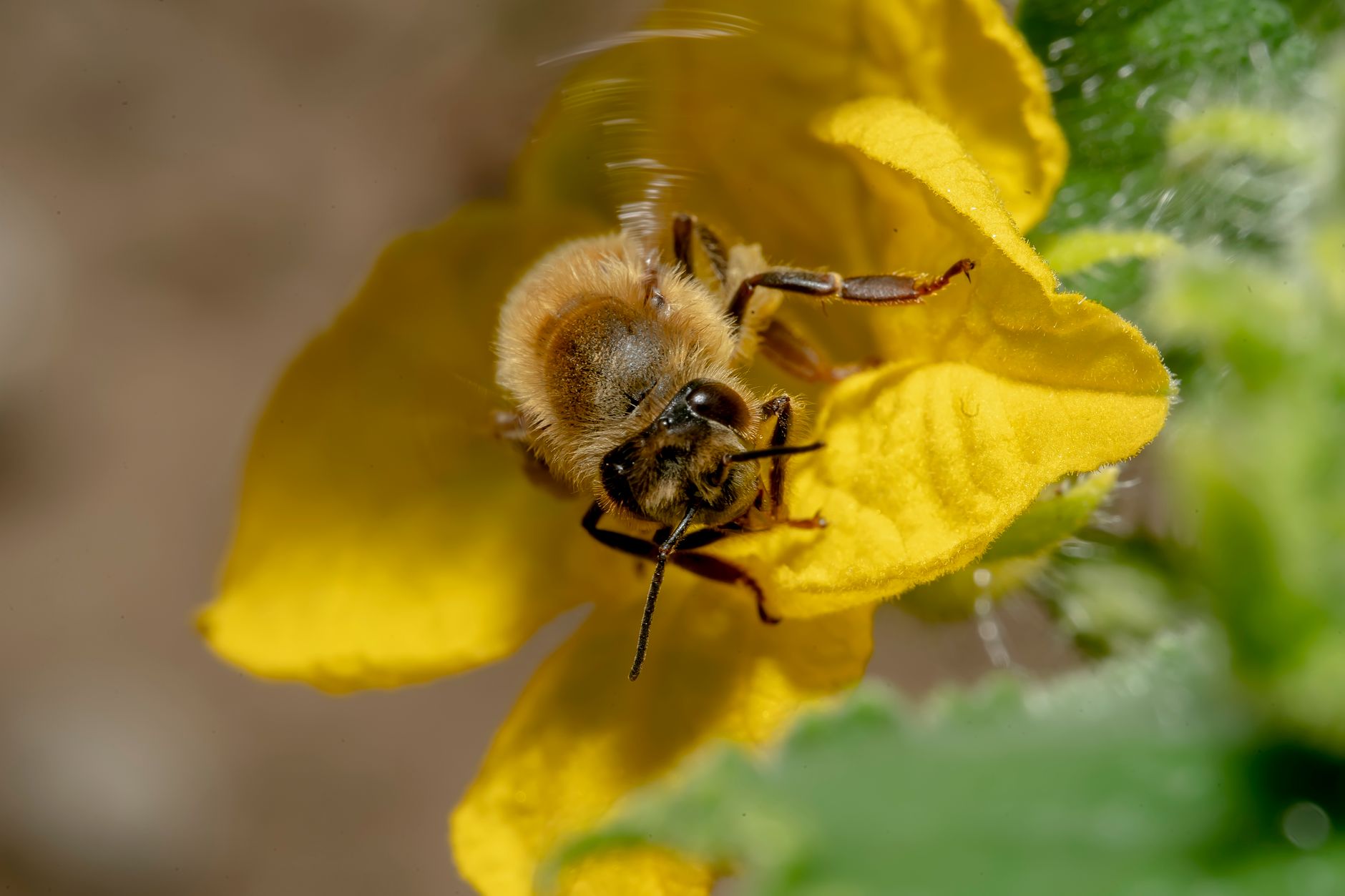
Zucchini plants produce separate male and female flowers on the same plant, relying on bees to transfer pollen between them; male flowers have a thin, straight stem, while female flowers have a small swollen bulge, resembling a miniature zucchini, right behind the petals.
Male flowers typically appear first, sometimes several days before the first female flowers show up, so don't be concerned if early blossoms drop without producing fruit, which is a completely normal part of the plant's natural flowering sequence.
If small zucchini start to form but then shrivel and rot at the tip before growing any larger, this is a classic sign of poor pollination rather than disease, and it's especially common early in the season before bee populations are fully active, or in gardens with limited pollinator visits.
Hand-pollinate if needed using a small, soft paintbrush to transfer pollen from the center of a male flower to a female flower, or simply pick a male flower and gently rub its center directly against the center of a female flower, an easy, low-tech fix that reliably improves fruit set.
Avoid spraying insecticides during flowering to protect the bee populations your zucchini depends on, treating in the evening after bees have finished foraging if pest control is genuinely necessary during bloom.
Watch for Squash Bugs and Vine Borers

Check the undersides of leaves regularly for squash bug eggs, appearing as small bronze clusters, and remove them by hand before they hatch into the considerably more damaging nymph stage.
Watch for sudden wilting of individual stems or the whole plant even when soil moisture seems adequate, a classic sign of squash vine borer, whose larvae tunnel inside the stem and are notoriously difficult to treat once established.
Row covers over young plants, removed once flowering begins to allow pollinator access, offer good protection against both squash bugs and vine borers during the vulnerable seedling stage.
Rotate zucchini and other squash-family crops to a different garden section each year, ideally on a 2-3 year rotation, to reduce the buildup of pests and diseases specific to this plant family over successive seasons.
Manage Powdery Mildew as the Season Progresses

Powdery mildew, appearing as a white, dusty coating on leaves, is extremely common on zucchini by mid-to-late summer, particularly in humid climates, and is almost considered a normal part of the plant's later-season life cycle rather than a sign something has gone seriously wrong.
Ensure adequate spacing between plants for airflow, water only at the base rather than overhead, and remove the most severely affected leaves to slow the disease's spread, though completely eliminating it once established is difficult.
A light-to-moderate case of powdery mildew generally doesn't stop fruit production entirely, and many gardeners simply continue harvesting normally even as some older leaves show visible mildew, focusing their prevention efforts on new growth instead.
If mildew becomes severe enough to significantly reduce the plant's overall vigor and fruit production, it's often more practical to accept that the plant is nearing the natural end of its productive life for the season rather than trying to aggressively treat it, especially if you've planned a second later planting.
Harvest Young and Often

Harvest zucchini when it's young, ideally around 6-8 inches long, using a sharp knife or pruning shears to cut it from the plant rather than twisting or pulling, which can damage the stem and surrounding growth.
Zucchini grows remarkably fast, sometimes visibly larger from one day to the next during peak summer growing conditions, which is exactly why checking plants every 1-2 days during peak season is so important; a zucchini easily overlooked for even three or four days can balloon into an oversized, seedy, watery fruit.
Oversized zucchini, sometimes jokingly called baseball bats by experienced gardeners, develop tough skin, large seeds, and a noticeably more watery, less flavorful texture compared to fruit picked young, though they can still be used for shredding into baked goods where texture matters less.
Regular harvesting, even more than most other factors, is what keeps a zucchini plant productive throughout the season, since allowing fruit to mature fully on the vine signals the plant to slow down and redirect energy toward seed production rather than continuing to set new fruit.
During peak season, expect to harvest from a single healthy, well-pollinated plant every day or two, and have a plan ready for the genuinely abundant harvest zucchini is famous for producing.
Store and Use Your Abundant Harvest
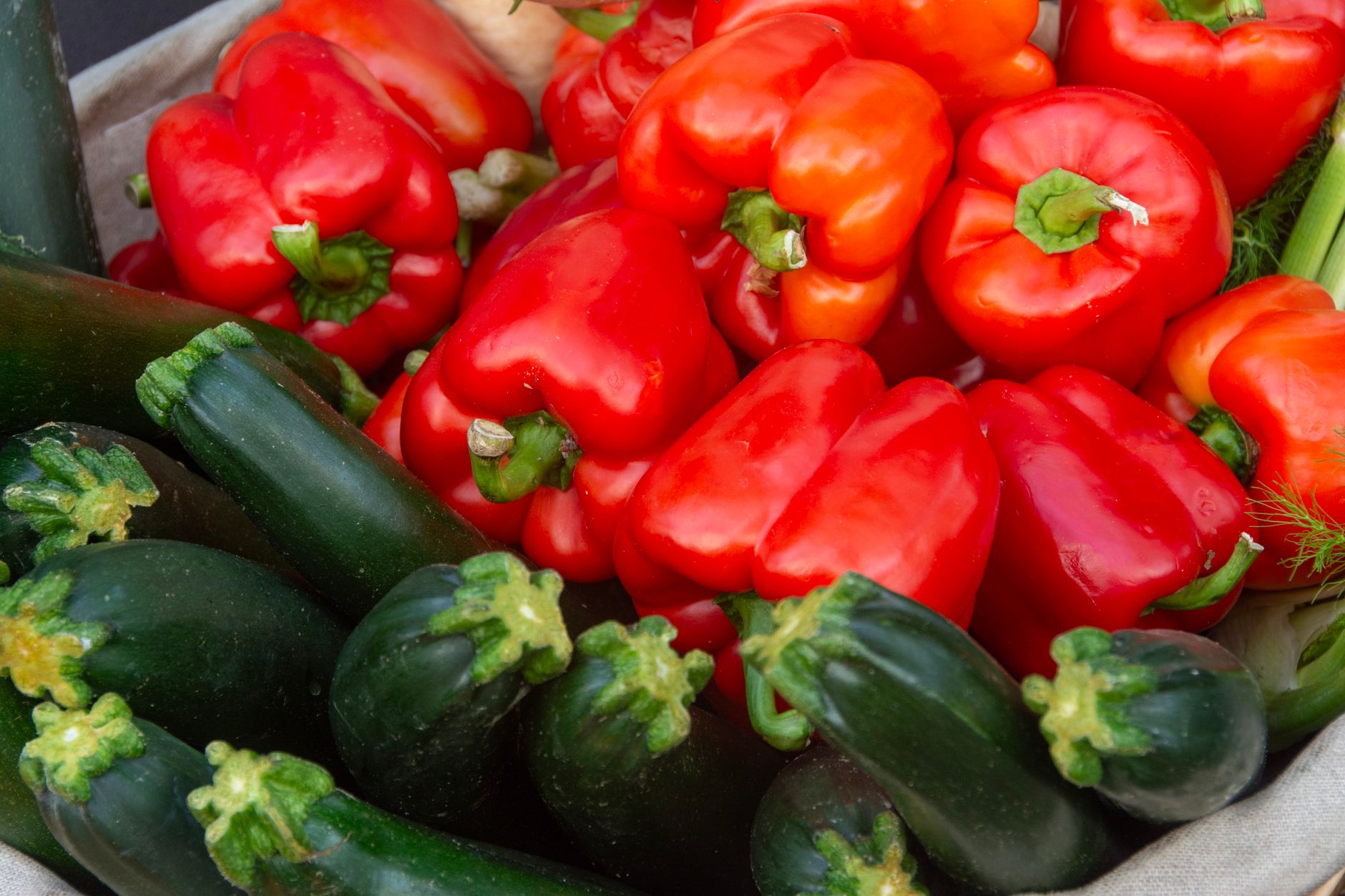
Store fresh, unwashed zucchini in the refrigerator crisper drawer, where it typically keeps well for about a week to ten days; washing just before use rather than immediately after harvest helps preserve its quality slightly longer.
For longer-term preservation, zucchini freezes well when shredded or sliced and blanched briefly before freezing, making it easy to use in baked goods, soups, and stir-fries throughout the winter months.
Zucchini bread, muffins, and other baked goods are a classic way to use up a surplus, since shredded zucchini adds moisture without a strong flavor of its own, making it a versatile addition even for people who don't particularly enjoy zucchini eaten plainly.
If your harvest genuinely outpaces what your household can use, zucchini is also one of the most commonly and gladly accepted vegetables to share with neighbors, friends, or a local food pantry, a tradition well-known enough to be a running joke in many gardening communities.
Common problems and fixes
| Problem | Likely cause | What to do |
|---|---|---|
| Small zucchini shrivel and rot instead of growing | Poor pollination, often due to low bee activity or timing between male and female flower blooms. | Hand-pollinate using a small paintbrush, transferring pollen from a male flower's center to a female flower. |
| White powdery coating on leaves by mid-to-late summer | Powdery mildew, a very common fungal disease favored by humidity and wet foliage. | Water at the base only, ensure good spacing for airflow, and don't be overly concerned if it appears once fruit production is already well underway. |
| Sudden wilting of an individual stem or the whole plant | Squash vine borer larvae tunneling inside the stem. | Inspect the base of affected stems for small holes and frass, and use preventive row covers on young plants in future seasons. |
| Harvested zucchini is tough, seedy, and watery | Fruit was left on the plant too long before harvesting. | Harvest more frequently, checking plants every 1-2 days during peak season, and pick fruit at 6-8 inches long. |
Gardener's checklist
Test what you learned
What is the ideal harvest size for zucchini?
Answer: 6-8 inches
What commonly causes small zucchini to shrivel and rot at the tip?
Answer: Poor pollination
How often should zucchini be checked during peak growing season?
Answer: Every 1-2 days
What is a common sign of squash vine borer damage?
Answer: Sudden wilting of a stem
Common questions
Why does my zucchini plant produce so much fruit so quickly?
Zucchini is naturally an extremely vigorous, fast-growing summer squash, and healthy plants with good pollination can produce new harvestable fruit every day or two during peak summer conditions, which is why regular checking and harvesting is so important.
Can I still eat an oversized zucchini?
Yes, though the texture becomes tougher, seedier, and more watery than young fruit. Oversized zucchini works well shredded into baked goods like zucchini bread, where the coarser texture matters less than in dishes meant to showcase the vegetable directly.
Why do the flowers fall off my zucchini plant without producing fruit?
This is completely normal for male flowers, which typically appear first and naturally drop after releasing pollen without ever being expected to produce fruit themselves. Only female flowers, identifiable by the small swollen bulge behind the petals, develop into zucchini.
How can I prevent powdery mildew on zucchini leaves?
Water at the base of the plant rather than overhead, ensure adequate spacing between plants for good airflow, and choose mildew-resistant varieties where available, though some mildew by late summer is common and doesn't necessarily stop fruit production entirely.
Zucchini is one of the easiest, most productive vegetables to grow, and the single most important habit for success is checking and harvesting often, since young, regularly picked fruit is what keeps both the flavor and the plant's productivity at their best.
Frequently asked questions
How often should a vegetable garden be watered?
Frequency depends on weather, soil and plant size. Check the soil rather than watering on a rigid schedule.
Is compost enough fertilizer?
Compost improves soil and provides nutrients slowly. Heavy-feeding crops may still need additional feeding.

The Sproutstead Editorial Team
We create clear, practical gardening and homesteading guides designed for real homes and beginner growers.
View author profile →