
Wheatgrass is a nutrient-packed green that is easy to grow indoors. It takes 7-10 days to grow from seed to harvest. Soak wheatgrass seeds (wheat berries) in water for 8-12 hours. Drain and spread them evenly in a shallow tray with drainage holes. Cover with a thin layer of soil or grow on moist paper towels. Keep the seeds moist but not waterlogged. Place in a location with bright, indirect light. Harvest wheatgrass when it reaches 6-8 inches tall. Cut just above the roots. Wheatgrass is excellent for juicing, smoothies, and health shots. It is rich in vitamins, minerals, and chlorophyll.
What you will need
Choose the Right Seeds
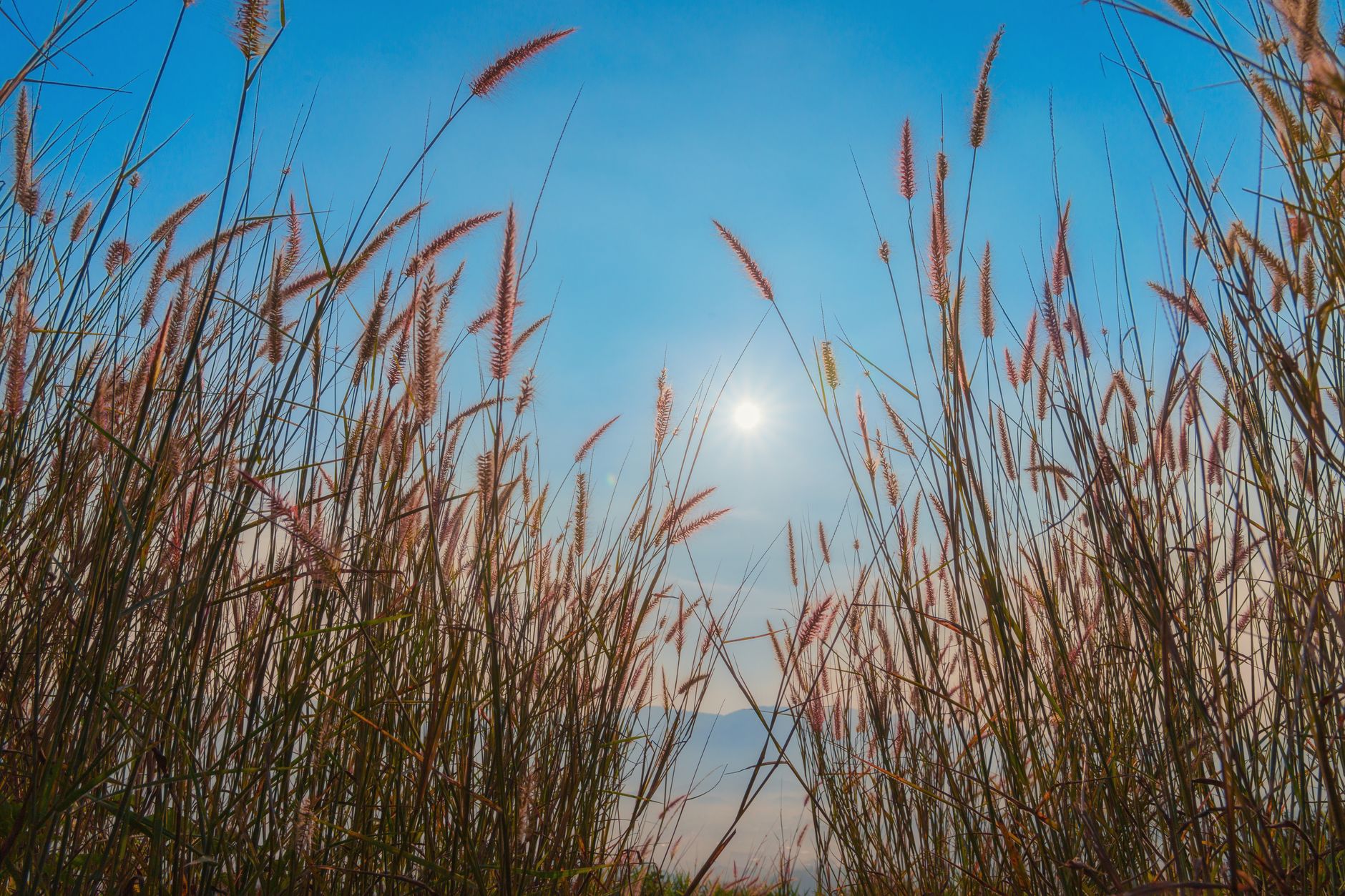
Wheatgrass is grown from wheat berries (seeds). Choose organic, untreated wheat berries for the best results.
Hard red winter wheat is the most common variety used for wheatgrass. It grows well and produces nutritious greens.
Avoid seeds that are treated with fungicides or other chemicals. Look for seeds labeled organic or for sprouting.
You can also use soft white wheat or spelt berries. Both produce good wheatgrass.
Store seeds in a cool, dry place until ready to use.
Soak the Seeds
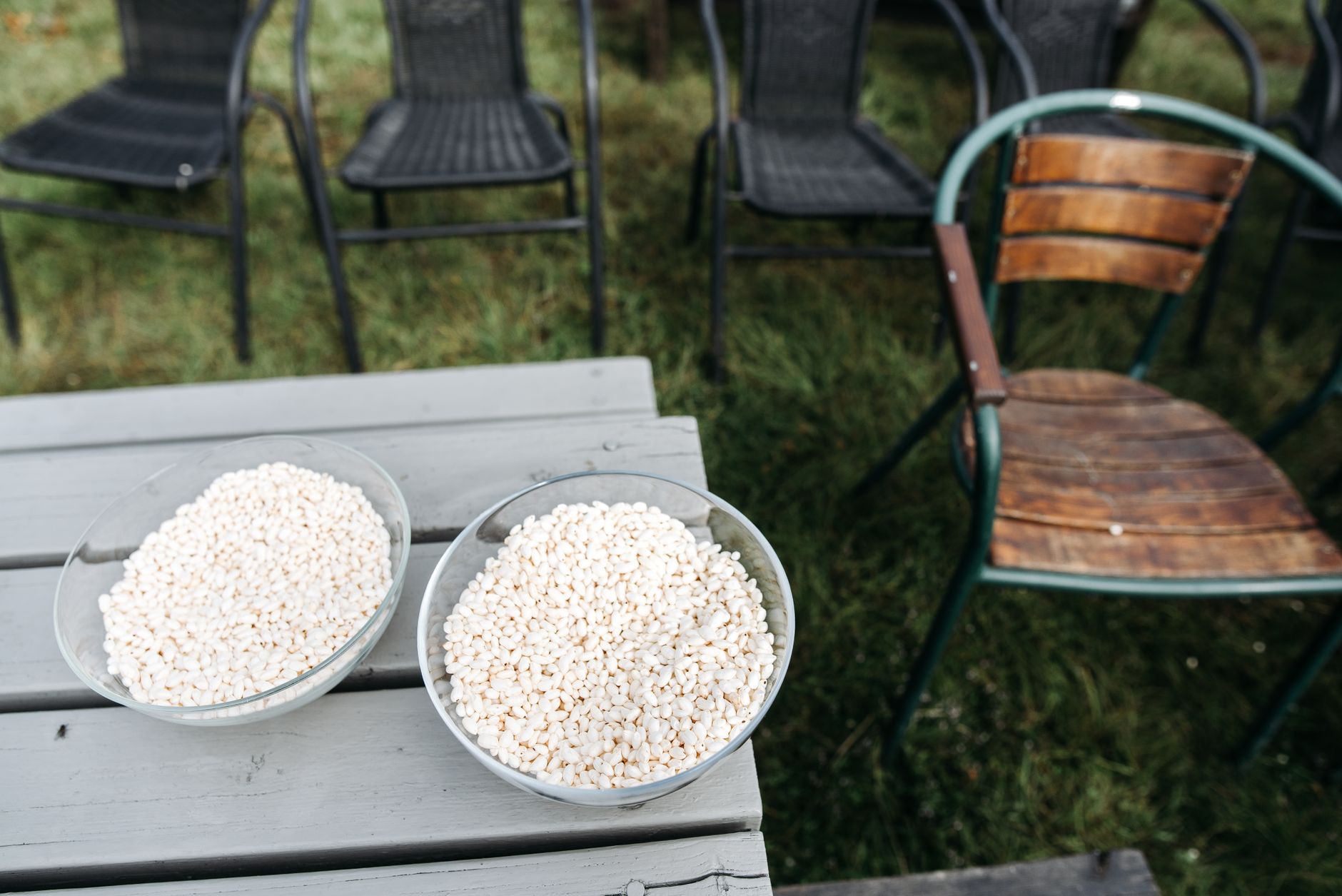
Measure the seeds. About 1 cup of seeds is enough for a 10x20 inch tray.
Rinse the seeds thoroughly to remove any dust or debris.
Place the seeds in a bowl or jar and cover with water. Use 2-3 times more water than seeds.
Soak the seeds for 8-12 hours. This softens the seed coat and activates germination.
After soaking, drain the water and rinse the seeds.
Prepare the Growing Tray
Choose a shallow tray with drainage holes. A 10x20 inch seed tray is ideal.
If growing in soil, fill the tray with 1-2 inches of moist potting soil. Firm the soil gently.
If growing without soil, line the tray with 2-3 layers of paper towels. Moisten the paper towels.
Ensure the tray has good drainage. Excess water should be able to drain away.
Place the tray in a location with bright, indirect light.
Plant the Seeds
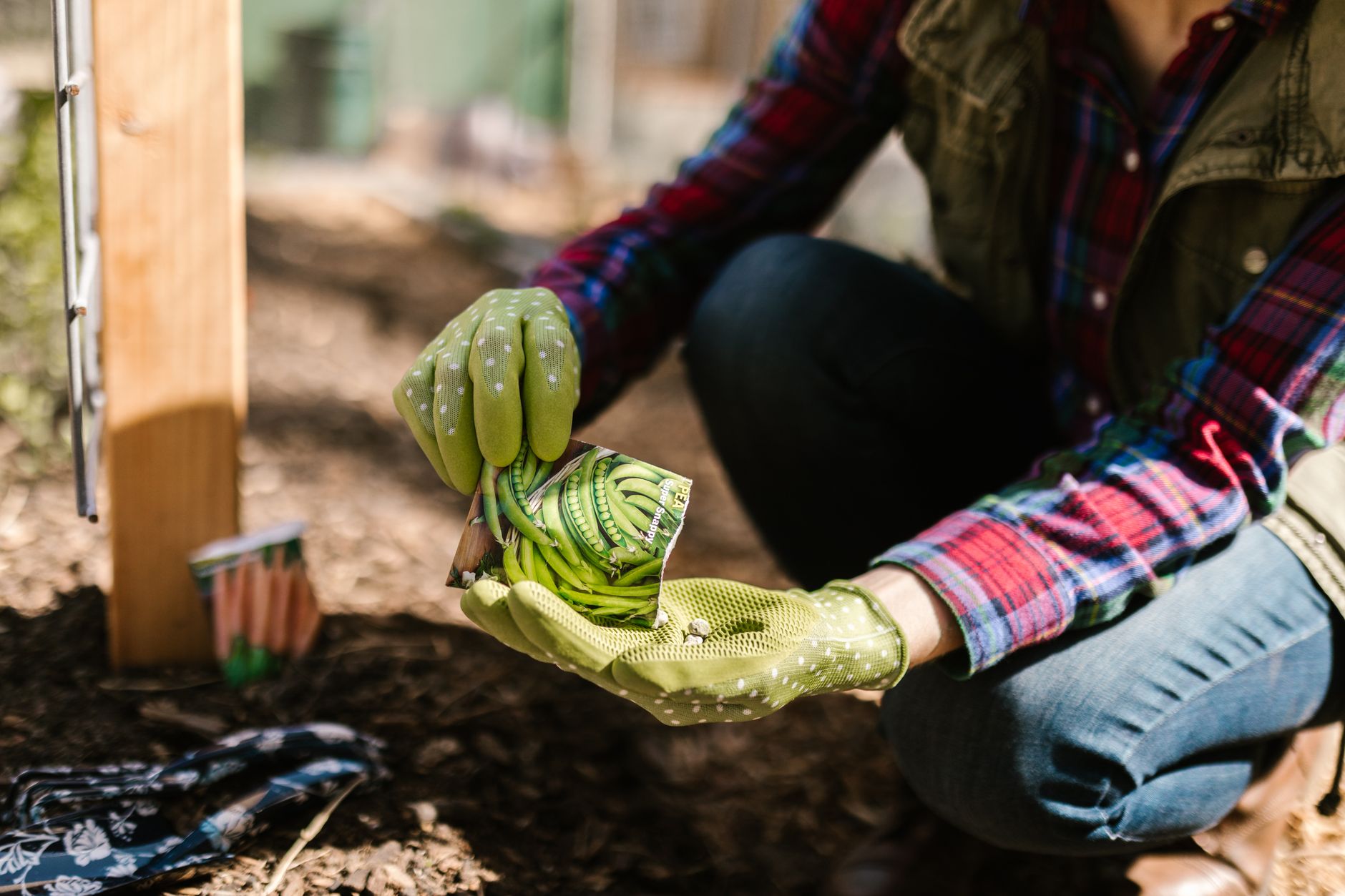
Spread the soaked seeds evenly over the growing medium. The seeds should be close together but not piled on top of each other.
Press the seeds gently into the soil or paper towels to ensure good contact.
If using soil, cover the seeds with a thin layer of soil (1/4 inch). If using paper towels, do not cover.
Water gently with a spray bottle to moisten the seeds.
Cover the tray with a lid or plastic wrap to maintain humidity for the first 2-3 days.
Water and Care

Water the seeds and growing medium daily with a spray bottle. Keep the seeds consistently moist but not waterlogged.
Remove the cover after 2-3 days when the seeds begin to sprout.
Continue misting daily. The wheatgrass should be ready to harvest in 7-10 days.
If using soil, water from the bottom by adding water to the tray underneath. This prevents mold growth on the surface.
Harvest Wheatgrass
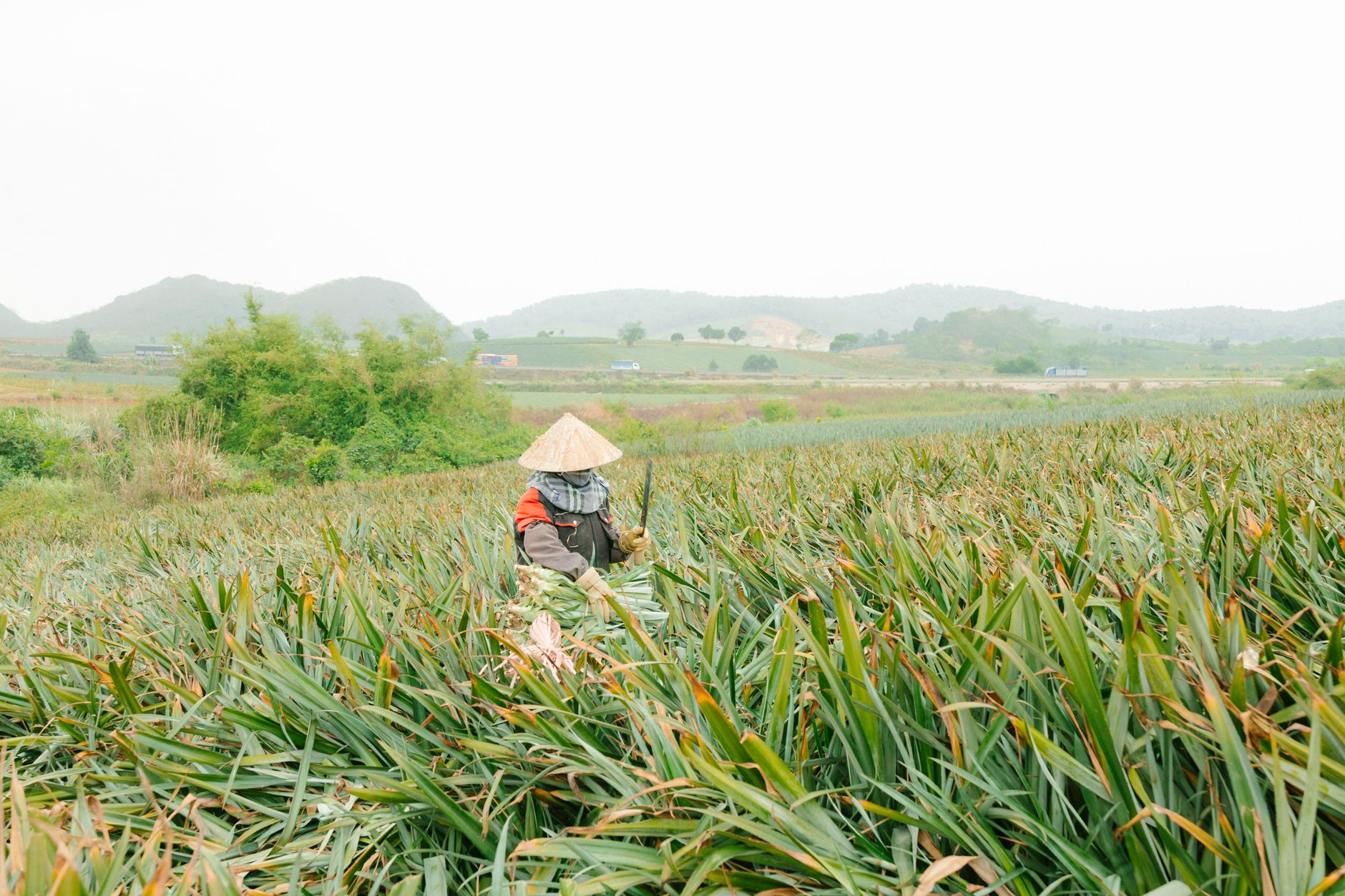
Harvest wheatgrass when it reaches 6-8 inches tall. This is usually 7-10 days after planting.
Use sharp scissors to cut the wheatgrass just above the roots. Cut as close to the soil as possible.
Wheatgrass can be harvested once. It will not regrow after cutting.
Wheatgrass is at its peak nutritional value just before the second leaf appears.
Use fresh wheatgrass immediately for the best nutritional value.
Use Wheatgrass

Wheatgrass is best used fresh. Juice it immediately after harvesting for the most nutrients.
Wheatgrass juice has a strong, earthy flavor. Start with small amounts (1-2 ounces) and gradually increase.
Wheatgrass can be blended into smoothies for added nutrition.
Store unused wheatgrass in the refrigerator for up to 3 days. Wrap in a damp paper towel and place in a plastic bag.
Wheatgrass can be dried and powdered for long-term storage.
Troubleshoot Common Problems
Mold on wheatgrass is caused by poor air circulation and excessive moisture. Increase ventilation and reduce watering.
Slow growth can be caused by low temperatures or insufficient light. Move to a warmer, brighter location.
Yellowing wheatgrass is caused by overwatering or nutrient deficiency. Reduce watering and ensure good drainage.
Seeds not germinating can be caused by old or poor-quality seeds. Use fresh, organic seeds.
Foul odor is caused by stagnant water or mold. Improve drainage and ventilation.
Common problems and fixes
| Problem | Likely cause | What to do |
|---|---|---|
| Mold on wheatgrass. | Too much moisture, poor air circulation. | Increase ventilation. Reduce watering. Use a fan for air circulation. |
| Seeds are not germinating. | Old seeds or poor quality. | Use fresh, organic seeds. Ensure seeds are not treated with chemicals. |
| Wheatgrass is yellowing. | Overwatering or nutrient deficiency. | Reduce watering. Ensure good drainage. |
| Wheatgrass is growing slowly. | Low temperature or insufficient light. | Move to a warmer, brighter location. |
Gardener's checklist
Test what you learned
How long should you soak wheatgrass seeds?
Answer: 8-12 hours
How tall should wheatgrass be before harvesting?
Answer: 6-8 inches
How long does it take for wheatgrass to grow?
Answer: 7-10 days
What is wheatgrass best used for?
Answer: Juicing and smoothies
Common questions
Can I regrow wheatgrass after cutting?
No. Wheatgrass does not regrow after cutting. The plant puts all its energy into producing the first growth. It is best to start a new batch.
How much wheatgrass should I juice?
Start with 1-2 ounces of wheatgrass juice daily. Gradually increase to 2-3 ounces. Wheatgrass has a strong flavor, so start small.
Can I grow wheatgrass without soil?
Yes. You can grow wheatgrass on moist paper towels. The roots will grow into the paper towels, and the grass will grow normally.
How do I store wheatgrass?
Store fresh wheatgrass in the refrigerator for up to 3 days. Wrap in a damp paper towel and place in a plastic bag. For longer storage, freeze or dry the wheatgrass.
Is wheatgrass gluten-free?
Wheatgrass is harvested before the gluten-containing grain forms. It contains very little gluten and is generally safe for gluten-sensitive individuals. However, if you have celiac disease, consult your doctor first.
Wheatgrass is a nutrient-packed green that is easy to grow indoors. It takes just 7-10 days from seed to harvest. Soak organic wheat berries for 8-12 hours, spread them in a shallow tray with drainage holes, and keep them consistently moist. Harvest when the grass reaches 6-8 inches tall, cutting just above the roots. Wheatgrass is best used fresh for juicing, smoothies, and health shots. It is rich in vitamins, minerals, and chlorophyll. With proper care, you can have a continuous supply of fresh wheatgrass all year round.
Frequently asked questions
How often should a vegetable garden be watered?
Frequency depends on weather, soil and plant size. Check the soil rather than watering on a rigid schedule.
Is compost enough fertilizer?
Compost improves soil and provides nutrients slowly. Heavy-feeding crops may still need additional feeding.

The Sproutstead Editorial Team
We create clear, practical gardening and homesteading guides designed for real homes and beginner growers.
View author profile →

