Plant watermelon seeds or transplants after the last frost once soil is at least 70°F, giving vines 3-6 feet of space to sprawl in full sun. Water deeply and consistently, especially during flowering and fruiting, protect pollinators, and harvest when the tendril nearest the fruit turns brown and the underside ground spot turns cream-yellow, roughly 70-100 days after planting.
What you will need
Choose the Right Watermelon Variety for Your Space and Season

Watermelon varieties fall broadly into a few categories: large picnic-type melons like Crimson Sweet and Charleston Gray that can weigh 20-40 pounds and need a long, warm season of 85-100 days; icebox varieties like Sugar Baby that mature faster in 70-80 days and produce more manageable 8-10 pound melons; and seedless hybrids, which require a separate seeded pollinator variety planted nearby to set fruit properly.
If your growing season is short or your climate has unpredictable early frosts, prioritize faster-maturing icebox varieties over the large classic types, since a watermelon that doesn't fully ripen before your first fall frost is essentially a wasted growing season for that plant.
Gardeners with limited space should look specifically for bush or compact varieties, such as Bush Sugar Baby or Golden Midget, which have significantly shortened vines (often under 3 feet) compared to the 10-20 foot sprawl of standard vining types, without sacrificing much in terms of fruit quality.
If you're set on growing seedless watermelon, remember that seedless hybrid seeds are actually triploid and sterile, meaning they need pollen from a regular seeded variety planted nearby to trigger fruit development, so budget space and planning for at least one seeded pollinator plant for every three or four seedless plants.
Read the days-to-maturity listed on the seed packet carefully and count backward from your expected first fall frost date to confirm the variety you're choosing has genuinely enough time to mature fully in your specific region before cold weather arrives.
Wait for Truly Warm Soil Before Planting
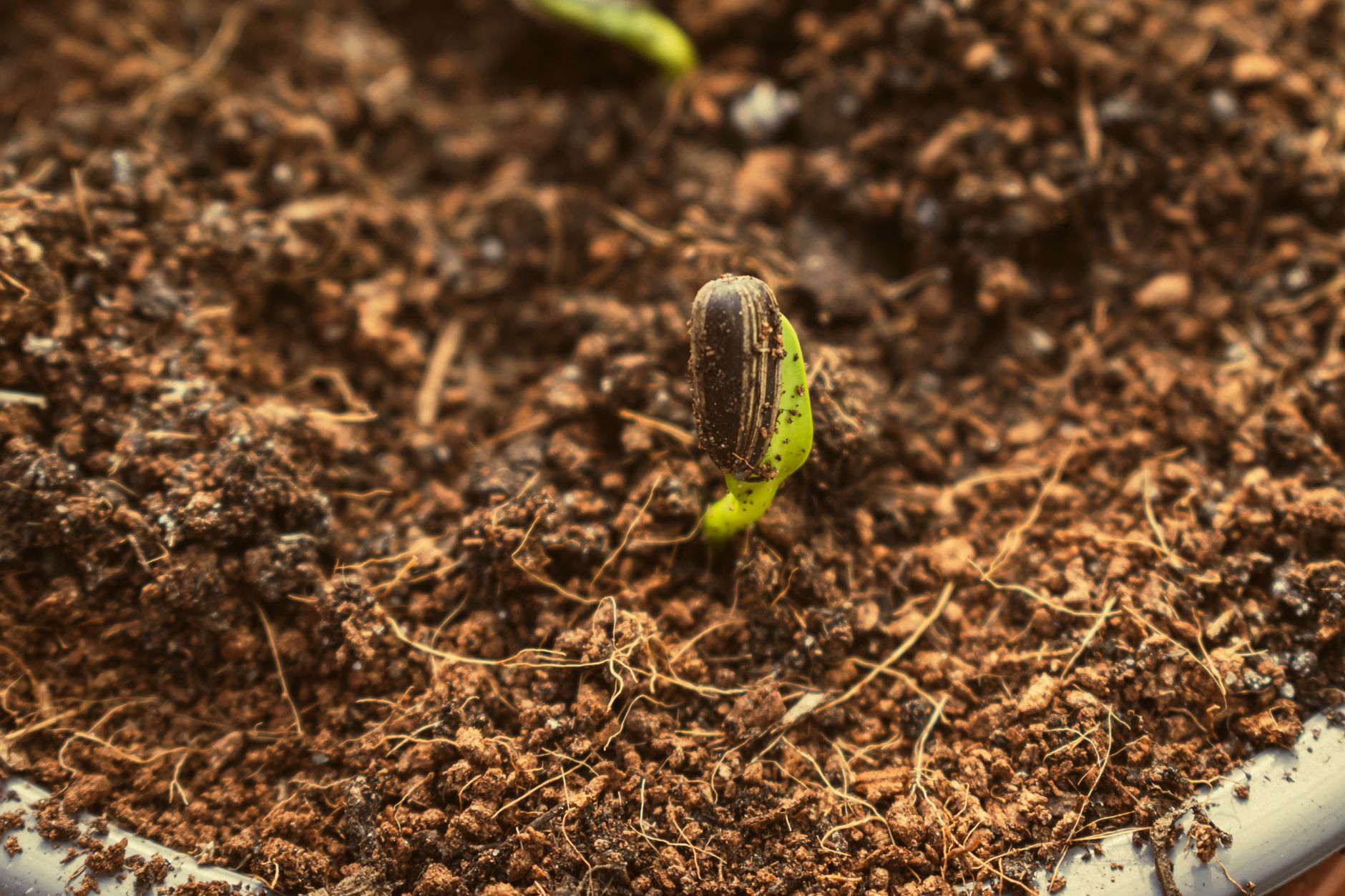
Watermelons are true warm-season plants originating from hot climates, and they need soil temperatures of at least 70°F, ideally 75-85°F, to germinate reliably and grow vigorously from the start. Planting into soil that's still cool, even if daytime air temperatures feel warm, results in stalled, stunted seedlings that rarely catch up to properly timed plantings.
Direct-sow seeds about an inch deep once soil has genuinely warmed, planting 2-3 seeds per hole and thinning to the strongest single seedling once true leaves appear, since watermelon seedlings resent the root disturbance that comes with thinning multiple established plants from one spot.
If your growing season is on the shorter side, start transplants indoors in biodegradable pots 3-4 weeks before your last frost date, since watermelon roots are notably sensitive to disturbance and transplanting from a standard plastic pot can set plants back significantly compared to direct-sown seedlings.
Black plastic mulch is a popular and effective trick among growers in cooler climates or those wanting an earlier harvest, since it can warm the soil several degrees above ambient levels and has been shown to speed up harvest timing by 1-2 weeks in many trials.
Use a simple soil thermometer inserted 2-3 inches deep if you're unsure whether your soil has reached planting temperature, rather than relying on guesswork or the calendar date alone, since soil warming varies significantly by region, soil type, and whether the bed gets full sun.
Prepare Rich, Well-Draining Soil
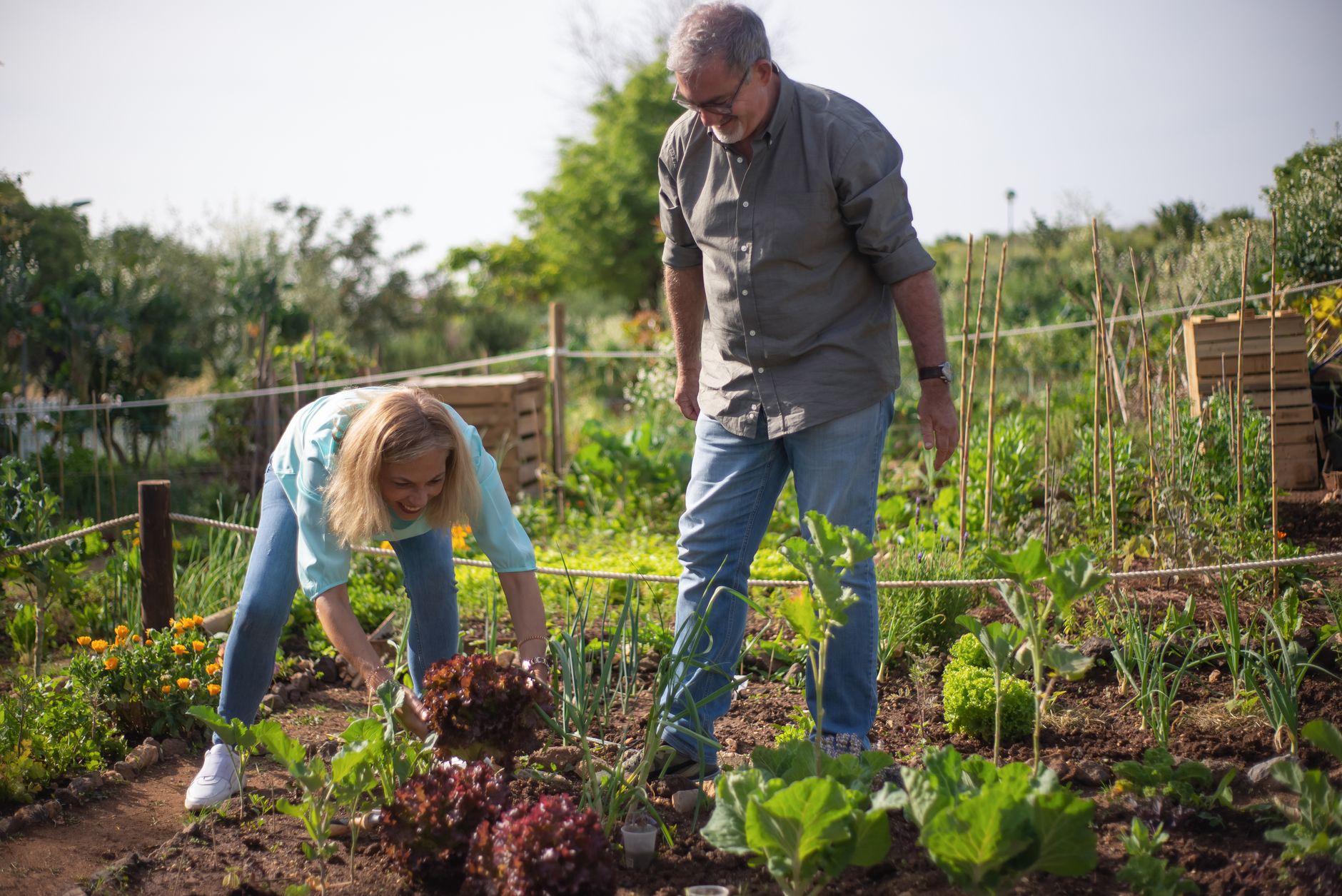
Work 2-3 inches of well-rotted compost or aged manure into the top 8-10 inches of soil before planting, since watermelons are heavy feeders that draw significant nutrients from the soil over their long growing season.
Aim for a soil pH between 6.0 and 6.8, testing beforehand if possible, and amend with garden lime if your soil tests notably acidic, since watermelon nutrient uptake becomes less efficient outside this range.
Good drainage matters just as much as fertility; watermelon roots are highly susceptible to rot in waterlogged conditions, so avoid low-lying areas of the garden that collect standing water after rain, or build up a slightly raised planting mound to improve drainage in heavier soils.
Many experienced growers plant watermelon in raised hills, mounding soil 6-12 inches high in a circle roughly 2 feet across, which improves both drainage and soil warming in one step, especially valuable in regions with heavier clay soil.
Give Vines Plenty of Space to Sprawl

Space plants 3-6 feet apart depending on variety, with rows 6-8 feet apart for standard vining types, since mature vines can stretch well beyond their original planting point over the course of the season.
If garden space is genuinely limited, compact bush varieties like Sugar Baby or Bush Sugar Baby take up dramatically less room, in some cases fitting comfortably in a large container or a 4x4 foot raised bed, without sacrificing much fruit quality compared to their sprawling relatives.
Consider growing vertically on a sturdy trellis for smaller-fruited varieties, using slings made from cloth, mesh produce bags, or old pantyhose to support the developing melons off the ground and prevent the vine from tearing under fruit weight.
If space allows and you prefer traditional ground growing, let vines sprawl into an unused corner of the yard, a fallow section of garden, or even the edge of a lawn area, since watermelon foliage is dense enough to suppress most weeds underneath it once established.
Avoid planting watermelon too close to other space-hungry vining crops like pumpkins or winter squash in the same season, since their root systems and foliage will compete directly for the same soil resources and sunlight as the season progresses.
Water Deeply and Consistently Through the Season

Water deeply and consistently, providing 1-2 inches per week from rainfall and irrigation combined, with particular attention during the flowering and early fruit-set stages, when watermelon plants are most sensitive to drought stress and inconsistent moisture.
Water at the base of the plant rather than overhead whenever possible, since wet foliage significantly increases the risk of powdery mildew and other fungal diseases that commonly affect melon leaves in humid conditions.
Drip irrigation or soaker hoses are especially well-suited to watermelon, since they deliver water directly to the root zone without wetting the sprawling foliage, and they make it much easier to maintain the kind of steady, consistent moisture watermelon plants prefer over sporadic heavy watering.
Mulch heavily around the base of plants with straw or another organic mulch once vines are established, which helps retain soil moisture between waterings, moderates soil temperature swings, and suppresses competing weeds that would otherwise draw moisture and nutrients away from the melon plants.
Reduce watering somewhat in the final 1-2 weeks before expected harvest, which many growers believe helps concentrate sugars in the ripening fruit for sweeter flavor, though care should be taken not to let vines wilt severely during this final stretch.
Support and Protect Pollinators for Good Fruit Set

Watermelon plants produce separate male and female flowers on the same vine, and they rely almost entirely on bees and other pollinating insects to transfer pollen between them, since the flowers aren't wind-pollinated the way corn is.
Male flowers typically appear first, sometimes a week or two before any female flowers show up, so don't be alarmed if early blossoms drop without producing fruit; this is completely normal and simply part of the plant's natural flowering sequence.
Avoid spraying any insecticides during the flowering period, even organic ones, since these can harm the bee populations your watermelon plants depend on for fruit set. If pest control is genuinely necessary during bloom, treat in the evening after bees have finished foraging for the day.
Plant pollinator-friendly flowers like zinnias, cosmos, or borage nearby to help attract and support a healthy population of bees throughout the growing season, which benefits not just your watermelons but every other fruiting crop in the garden.
If pollinator activity in your area seems consistently low, you can hand-pollinate using a small, soft paintbrush to transfer pollen from the center of a male flower (identifiable by its plain, straight stem) to a female flower, easily identified by the small swollen bulge, resembling a tiny watermelon, at its base.
Manage Common Pests and Diseases

Cucumber beetles are among the most damaging watermelon pests, both feeding directly on foliage and flowers and spreading bacterial wilt disease as they move between plants. Row covers over young seedlings, removed once flowering begins to allow pollinator access, are one of the most effective preventive measures.
Powdery mildew, appearing as a white, dusty coating on leaves, is common in humid climates or when foliage stays wet from overhead watering. Watering at the base rather than overhead, ensuring good airflow between plants, and choosing mildew-resistant varieties where available all help reduce this risk significantly.
Aphids can cluster on new growth and the undersides of leaves; a strong spray of water or insecticidal soap applied in the evening (to avoid harming bees) usually controls light infestations before they become a serious problem.
Watch for sudden wilting of an entire vine, which can indicate either squash vine borer damage or bacterial wilt spread by cucumber beetles; unfortunately, both conditions are difficult to reverse once established, making prevention through row covers and beetle monitoring far more effective than after-the-fact treatment.
Rotate watermelon and other cucurbit family crops (cucumbers, squash, melons) to a different section of the garden each year, ideally on a 2-3 year rotation, to reduce the buildup of soil-borne pests and diseases specific to this plant family.
Support Developing Fruit and Manage Vine Growth
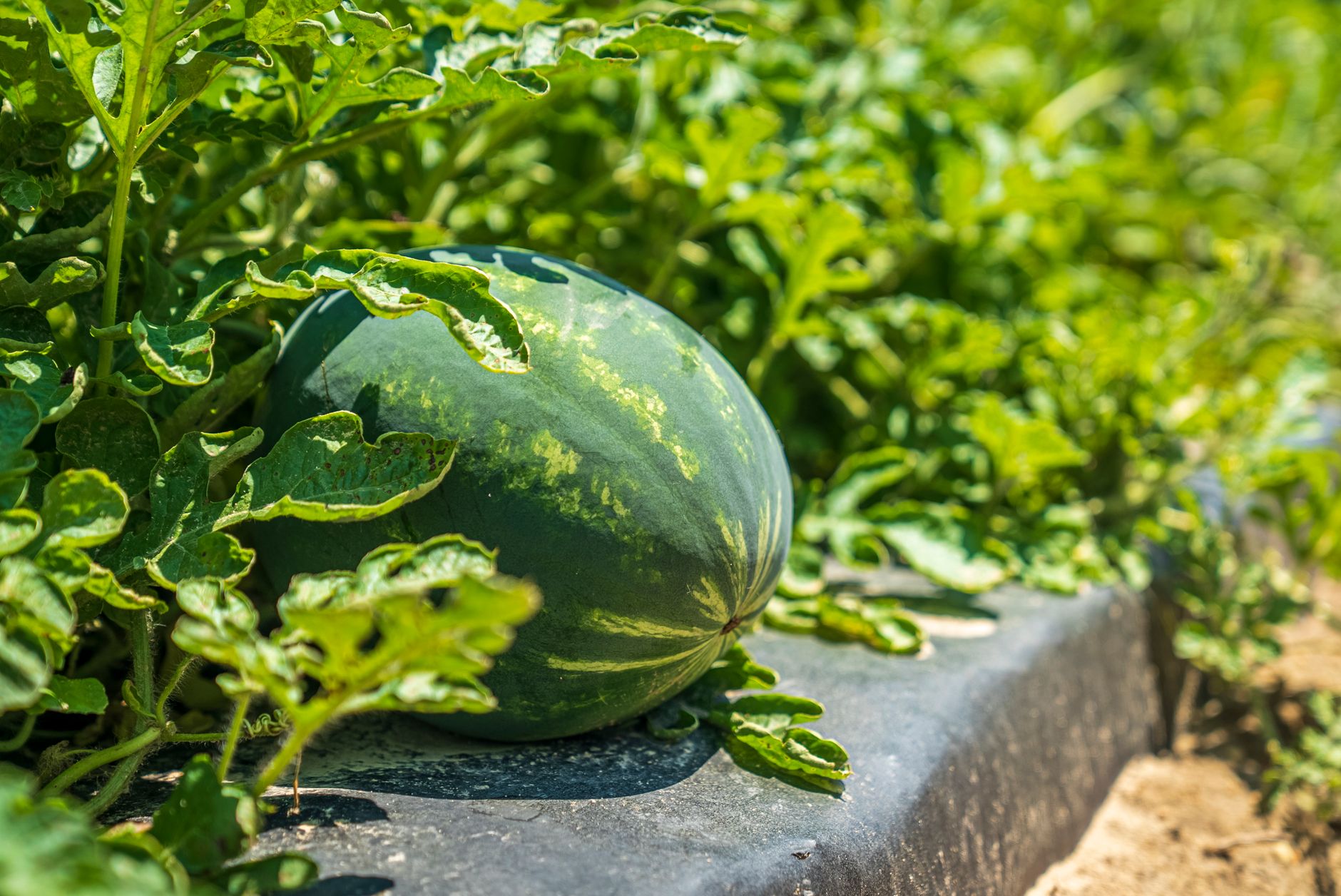
Once fruit begins forming and reaches golf-ball size, slide a piece of cardboard, a layer of straw, or a small board underneath it to lift the melon off damp soil, which helps prevent rot on the underside and discourages pests like slugs and pill bugs from causing damage.
For particularly large-fruited varieties, some growers limit each vine to 2-3 developing melons by pinching off additional female flowers once fruit set is confirmed, which can result in noticeably larger individual melons since the plant's energy isn't divided among as many fruits.
Prune off any new flowers appearing late in the season once your growing season is clearly winding down, so the plant redirects its remaining energy into fully ripening existing fruit rather than starting new melons that won't have time to mature before frost.
Periodically check that vines haven't rooted at leaf nodes along their length in a way that's diverting significant energy away from the main fruiting vine, gently lifting and repositioning trailing sections if needed, though this is generally a minor consideration compared to watering and pollination.
Keep the area around the base of the plant relatively free of dense weed growth, which can otherwise compete for water and nutrients right at the most critical root zone, even though mature vine foliage will suppress most weeds farther out along its length.
Know Exactly When to Harvest
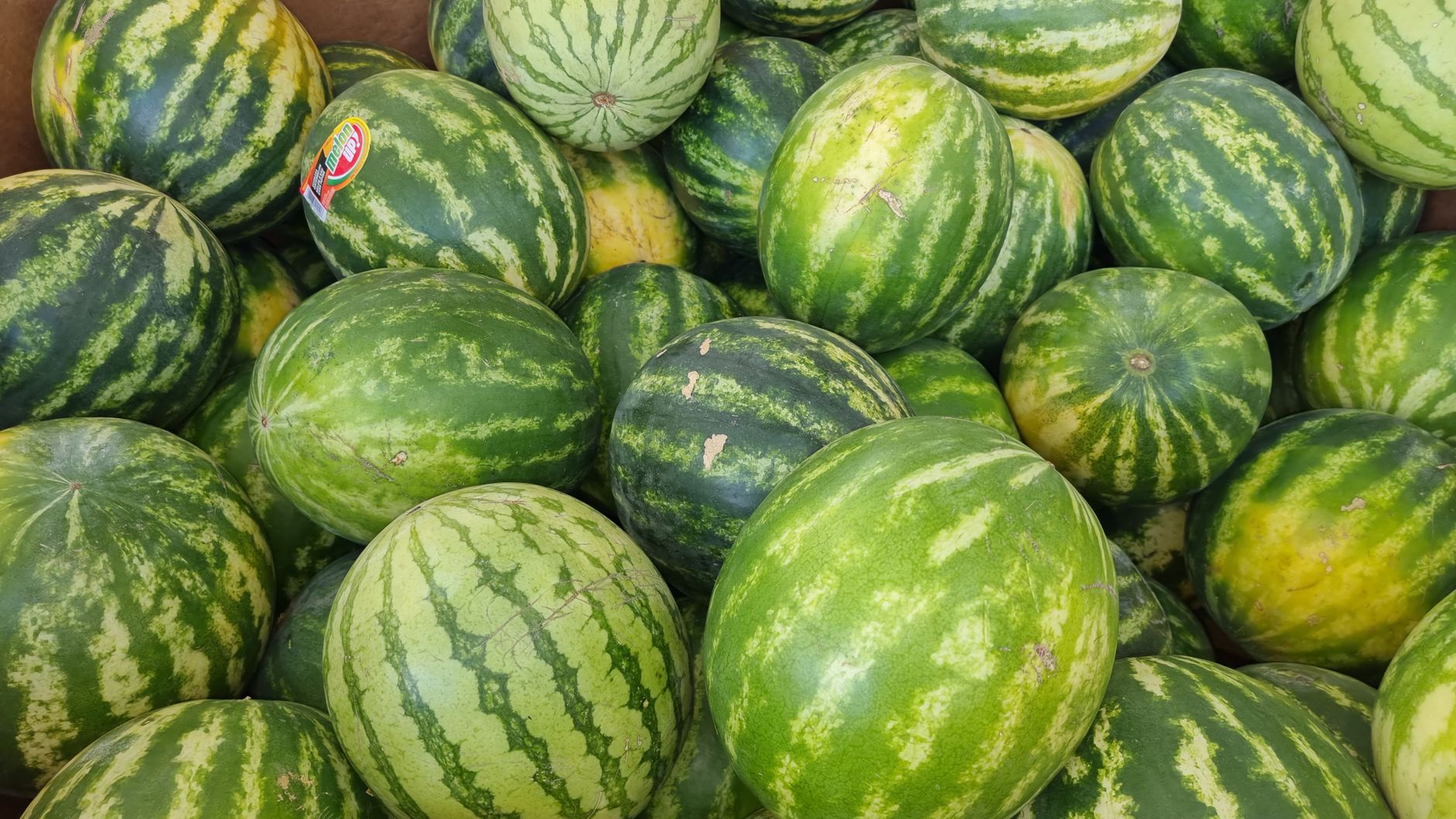
The single most reliable sign of ripeness is the small, curly tendril closest to where the fruit's stem attaches to the vine turning completely brown and dry; a tendril that's still green almost always means the melon needs more time.
Check the underside ground spot, the area where the melon has been resting on the soil; it should have shifted from a pale white or light green color to a rich, creamy yellow when the fruit is fully ripe.
A dull, matte skin finish, rather than a shiny, glossy one, is another supporting sign of maturity, as is a deep, hollow-sounding thump when you tap the melon firmly with your knuckles, compared to the higher-pitched, more solid sound of an unripe fruit.
Since watermelons don't ripen further once removed from the vine, unlike fruits such as tomatoes or bananas, it's genuinely worth checking multiple ripeness signs together (tendril, ground spot, and sound) rather than relying on any single indicator, especially the first few times you harvest a given variety.
Cut the melon from the vine with a sharp knife or pruning shears, leaving a short section of stem attached, rather than twisting or pulling it free, which can damage both the fruit and the remaining vine still supporting other developing melons.
Store and Enjoy Your Harvest

Uncut, whole watermelons can be stored at room temperature for about a week, or in the refrigerator for up to two weeks, with cool storage generally helping preserve both texture and flavor slightly longer than room-temperature storage.
Once cut, wrap the remaining portion tightly in plastic wrap or place it in an airtight container in the refrigerator, where it will keep well for about 3-5 days before quality begins to noticeably decline.
If your harvest is larger than you can use fresh, watermelon freezes reasonably well when cubed and frozen on a tray before transferring to freezer bags, making excellent additions to smoothies later, though the thawed texture becomes too soft for fresh eating on its own.
Save seeds from a particularly good open-pollinated (non-hybrid) melon if you'd like to try growing the same variety again next season, drying them thoroughly on a paper towel for at least a week before storing them in a cool, dry, labeled envelope.
Common problems and fixes
| Problem | Likely cause | What to do |
|---|---|---|
| Flowers falling off without setting fruit | Poor pollination, or simply the normal early-season pattern of male flowers blooming before female flowers appear. | Be patient early in the season, avoid pesticide use during flowering, and hand-pollinate with a small paintbrush if bee activity in your area seems consistently low. |
| Fruit rotting on the bottom where it touches soil | Constant contact with damp ground. | Place straw, cardboard, or a small board under developing fruit as soon as it reaches golf-ball size to keep it off wet soil. |
| White, powdery coating on leaves | Powdery mildew, often triggered by humid conditions or wet foliage from overhead watering. | Switch to base watering with drip irrigation, ensure good spacing for airflow, and remove severely affected leaves to slow the spread. |
| Sudden wilting of an entire vine | Squash vine borer damage or bacterial wilt spread by cucumber beetles. | Use row covers on young plants and monitor for cucumber beetles closely, since both conditions are much easier to prevent than to reverse once established. |
Gardener's checklist
Test what you learned
What is the most reliable sign a watermelon is ripe?
Answer: The tendril nearest the fruit turning brown
What insect is essential for watermelon pollination?
Answer: Bees
Do watermelons continue to ripen after being picked?
Answer: No, they stop ripening once picked
What should you do to help prevent fruit rot on developing watermelons?
Answer: Place straw or cardboard underneath the fruit
Common questions
Do watermelons keep ripening after being picked?
No, watermelons do not continue to ripen once removed from the vine, unlike some fruits such as tomatoes or bananas. This is exactly why checking multiple ripeness signs before harvest is so important, since there's no second chance to let an underripe melon improve after cutting.
How much space do watermelon plants need?
Standard vining varieties need 3-6 feet of spacing between plants and 6-8 feet between rows, since vines can spread 6-10 feet or more over the course of the season. Compact bush varieties need considerably less space and can even work in a large container or small raised bed.
Why are my watermelon leaves turning white and powdery?
This is almost always powdery mildew, a fungal disease favored by humid conditions and wet foliage. Switching to base watering, spacing plants for better airflow, and removing severely affected leaves can help slow or stop its spread.
How many watermelons does one plant typically produce?
Most standard vining varieties produce 2-4 full-sized melons per plant over a season, though limiting the number of developing fruits by pinching extra flowers can result in fewer but noticeably larger melons on large-fruited varieties.
Can watermelon be grown in containers?
Yes, particularly compact bush varieties like Bush Sugar Baby, which can be grown successfully in a container at least 5 gallons in size, though consistent watering becomes even more important in containers since they dry out faster than in-ground beds.
Warm soil, generous spacing, healthy pollinator activity, consistent watering, and checking the tendril and ground spot together are the keys to harvesting sweet, perfectly ripe watermelons from your own backyard.
Frequently asked questions
How often should a vegetable garden be watered?
Frequency depends on weather, soil and plant size. Check the soil rather than watering on a rigid schedule.
Is compost enough fertilizer?
Compost improves soil and provides nutrients slowly. Heavy-feeding crops may still need additional feeding.

The Sproutstead Editorial Team
We create clear, practical gardening and homesteading guides designed for real homes and beginner growers.
View author profile →