Direct-sow or transplant Swiss chard in early spring, spacing plants 8-12 inches apart in fertile soil. Water consistently, and begin harvesting outer leaves once plants reach about 6-8 inches tall, typically 50-60 days after sowing, continuing to harvest for months since chard tolerates both cool weather and summer heat better than most leafy greens.
What you will need
Understand Chard's Unusual Heat Tolerance

While most leafy greens like spinach and lettuce are strictly cool-season crops prone to bolting in summer heat, Swiss chard is genuinely more heat-tolerant, continuing to produce reasonably well through summer conditions that would send most other greens straight to flower.
This makes chard uniquely valuable for gardeners wanting a leafy green that bridges the gap between the classic spring and fall greens seasons, providing a harvestable crop through the middle of summer when options are otherwise more limited.
Chard is botanically related to beets, sharing the same species, which explains both its unusual heat tolerance compared to other leafy greens and its notably sturdy, thick-ribbed leaf structure.
Despite this heat tolerance, chard still grows best in the milder conditions of spring and fall, and while it won't bolt as readily as spinach in summer heat, growth may slow somewhat during the most intense stretches of hot weather.
Choose a Colorful Variety

Rainbow or 'Bright Lights' varieties combine red, yellow, orange, pink, and white stems within a single seed packet, offering an ornamental as well as edible planting that many gardeners use in flower beds alongside traditional landscaping.
Ruby or red-stemmed varieties like Ruby Red have deep crimson stems and are a classic, reliable choice, while Fordhook Giant, a traditional green and white variety, tends to produce larger, more vigorous plants with thick, substantial stems.
All common chard varieties share very similar growing requirements, so variety selection largely comes down to personal preference for stem color and whether you want a uniform planting or the visual variety of a rainbow mix.
The leaves of all varieties are similarly nutritious and flavorful regardless of stem color, so choosing based on aesthetics or simply what's available doesn't come with any meaningful trade-off in eating quality.
Prepare Fertile Soil and Plant
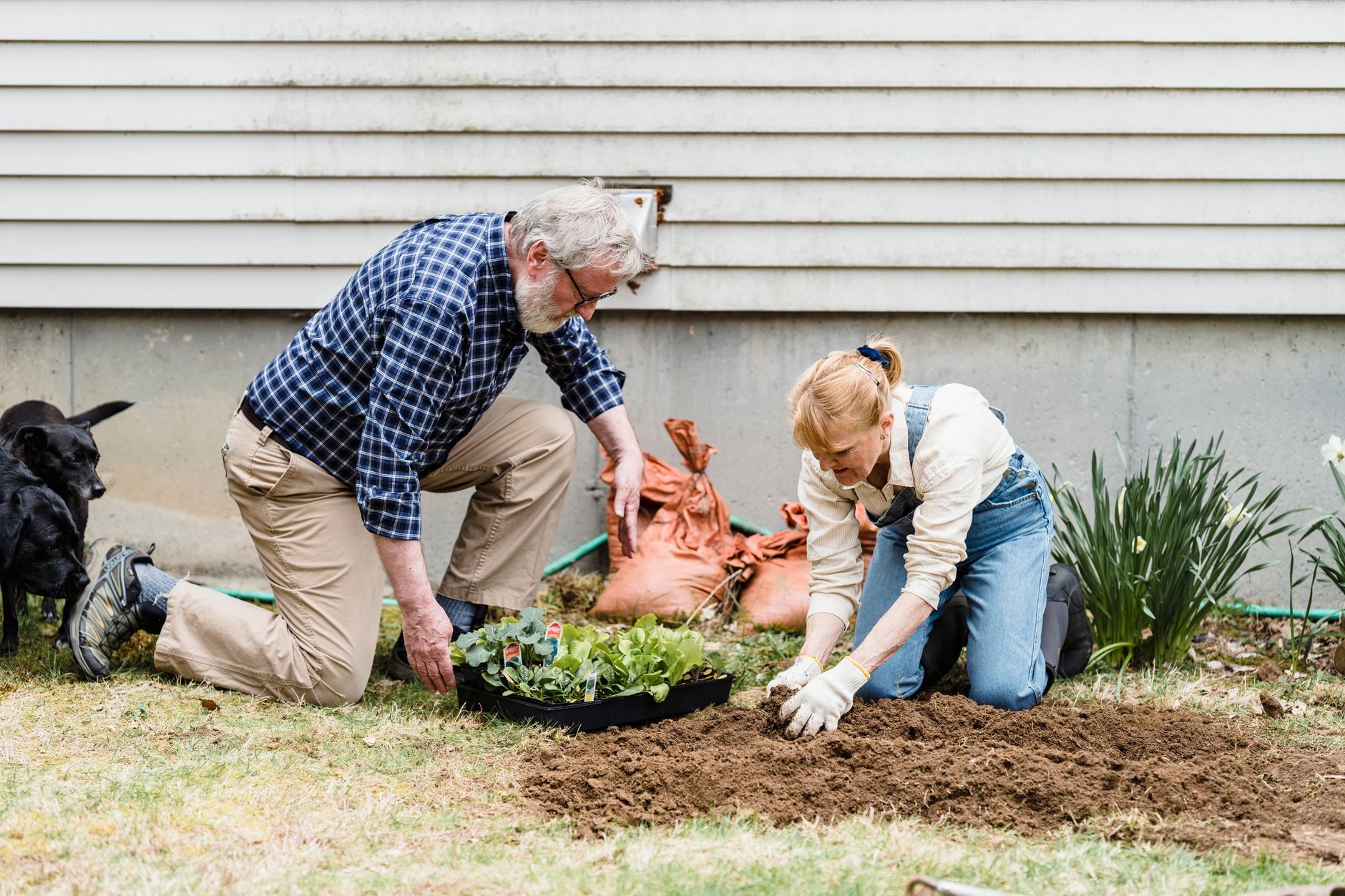
Work 2-3 inches of compost into the soil before planting, since chard is a moderately heavy feeder that benefits from rich soil to support its extended harvest period, often lasting many weeks or even months from a single sowing.
Direct-sow seeds a half-inch deep, or transplant seedlings started indoors 3-4 weeks earlier, spacing plants 8-12 inches apart in rows 18-24 inches apart, giving each plant room to develop a full, productive cluster of leaves.
Chard seeds, similar to beets, are actually small fruit clusters containing multiple seeds, so expect some thinning to be necessary even with careful spacing at sowing time, similar to the situation with beets.
A soil pH between 6.0 and 7.0 suits chard well, and it tolerates full sun to light partial shade, making it a flexible option for gardens that aren't entirely open to direct sunlight all day.
Thin Seedlings and Water Consistently

Thin seedlings to about 8-12 inches apart once they reach 2-3 inches tall, since each planted seed cluster commonly produces more than one seedling, similar to the pattern seen in beets; snip unwanted seedlings at soil level rather than pulling.
Water consistently, providing about 1-1.5 inches per week, since chard, while more drought-tolerant than many leafy greens, still produces more tender, better-flavored leaves and stems with steady moisture rather than significant dry stretches.
Mulch around plants to help retain consistent soil moisture and suppress competing weeds, particularly valuable during the warmer stretches chard is uniquely able to tolerate compared to other leafy greens.
Feed with a balanced or nitrogen-rich fertilizer every 4-6 weeks throughout an extended harvest period, since chard's long productive window means initial soil fertility is eventually depleted without additional feeding.
Manage Leaf Miners and Aphids

Leaf miners can occasionally affect chard leaves, tunneling between the leaf surfaces and creating pale, winding trails; while this doesn't typically harm the plant's overall health significantly, it can make affected leaves less appealing for fresh eating.
Row cover fabric applied at sowing or transplanting time is effective prevention against leaf miners, physically blocking the adult flies from reaching the leaves to lay their eggs in the first place.
Aphids can occasionally cluster on the undersides of leaves; a strong spray of water or insecticidal soap usually provides sufficient control before populations become problematic.
Chard is generally considered relatively pest-resistant overall, and most home plantings proceed with only minor, occasional intervention needed through the growing season.
Harvest Outer Leaves for Continuous Production

Begin harvesting outer, larger leaves once plants reach about 6-8 inches tall, typically 50-60 days after sowing, cutting or gently snapping leaves at the base while always leaving the central growing point intact so the plant continues producing new leaves.
This cut-and-come-again approach allows a single chard planting to provide a continuous harvest for many weeks, and in favorable conditions, sometimes for several months from one initial sowing, genuinely one of the longest productive windows among common leafy greens.
Avoid stripping more than about a third of a plant's leaves at any single harvest, which helps ensure the plant retains enough leaf area to continue photosynthesizing effectively and producing vigorous new growth.
Both the leaves and the colorful stems are edible and commonly used together in cooking, though some recipes call for separating them, since stems generally need slightly longer cooking time than the more tender leaf portion.
Chard's remarkable productivity from a single planting means even a modest number of plants, just 4-6 for a typical household, can provide a substantial, ongoing supply of greens throughout an extended portion of the growing season.
Common problems and fixes
| Problem | Likely cause | What to do |
|---|---|---|
| Pale, winding trails visible on leaves | Leaf miner larvae tunneling between leaf surfaces. | Remove and destroy affected leaves, and use row cover fabric from sowing onward in future plantings to prevent egg-laying. |
| Multiple seedlings emerging from what seemed like a single planted seed | This is normal; chard seed is actually a small fruit cluster containing multiple seeds, similar to beets. | Thin to one seedling every 8-12 inches once seedlings reach 2-3 inches tall. |
| Growth slows noticeably during the hottest part of summer | Even heat-tolerant chard experiences some slowdown during the most intense summer conditions. | Continue consistent watering and light harvesting; growth typically picks back up as temperatures moderate in late summer and fall. |
Gardener's checklist
Test what you learned
What makes Swiss chard unusual compared to most other leafy greens?
Answer: It tolerates summer heat notably well without bolting
What plant is Swiss chard closely related to?
Answer: Beets
What harvesting method extends a Swiss chard planting's productive life the longest?
Answer: Harvesting outer leaves first, cut-and-come-again
Common questions
Can Swiss chard survive summer heat better than spinach or lettuce?
Yes, chard is notably more heat-tolerant than most leafy greens and continues producing reasonably well through summer conditions that would cause spinach and lettuce to bolt and turn bitter, making it valuable for filling the summer gap in a leafy greens garden.
Are the stems of Swiss chard edible, or just the leaves?
Both the leaves and the colorful stems are edible and commonly used together in cooking, though some recipes separate them since the stems generally benefit from slightly longer cooking time than the more tender leaves.
How many chard plants do I need for a household?
Given chard's remarkable per-plant productivity through the cut-and-come-again harvesting method, just 4-6 plants can provide a substantial, ongoing supply of greens for a typical household throughout an extended portion of the growing season.
Why did multiple seedlings come up from what I thought was one planted seed?
This is completely normal; what's commonly sold as a single chard seed is actually a small fruit cluster containing multiple individual seeds, similar to beets, which is why thinning is a genuinely necessary step even with careful initial spacing.
Swiss chard's rare combination of heat tolerance and long, cut-and-come-again productivity makes it one of the most reliably useful leafy greens you can grow, filling a season gap that most other greens simply can't handle.
Frequently asked questions
How often should a vegetable garden be watered?
Frequency depends on weather, soil and plant size. Check the soil rather than watering on a rigid schedule.
Is compost enough fertilizer?
Compost improves soil and provides nutrients slowly. Heavy-feeding crops may still need additional feeding.

The Sproutstead Editorial Team
We create clear, practical gardening and homesteading guides designed for real homes and beginner growers.
View author profile →