Melons are warm-season fruits that need plenty of heat and sun to produce sweet, flavorful fruit. Choose the right variety: watermelons (Sugar Baby, Crimson Sweet), cantaloupes (Ambrosia, Athena), or honeydews (Green Flesh). Plant in full sun (8+ hours) with well-draining, rich soil (pH 6.0-6.8). Start seeds indoors 4-6 weeks before the last frost, or direct sow when soil warms to 70°F. Space plants 2-3 feet apart in hills or rows 5-6 feet apart. Water deeply (1-2 inches per week), especially during fruit development. Fertilize with a balanced fertilizer at planting and again when vines start to run. Melons are ready to harvest when they have a sweet aroma, the stem separates easily (cantaloupe), or the tendril turns brown (watermelon). Protect from pests with row covers and watch for cucumber beetles.
What you will need
Choose the Right Melon Type
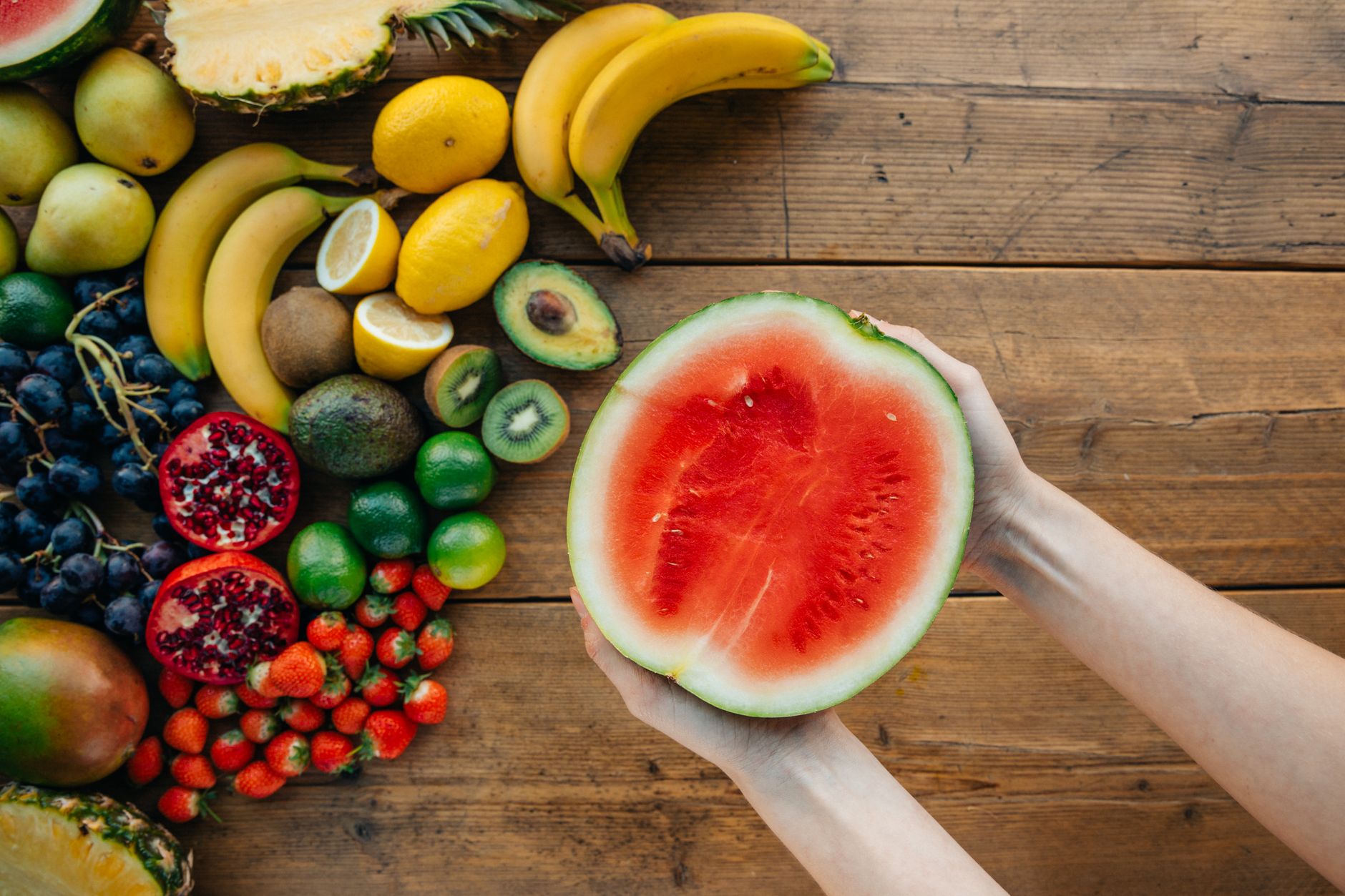
Watermelons: Large, juicy melons with red, yellow, or orange flesh. Best in hot climates. Popular: Sugar Baby (small, 70-80 days), Crimson Sweet (large, 85-90 days), Charleston Gray (large, 90+ days).
Cantaloupes: Sweet, orange-fleshed melons with netted skin. Good for most climates. Popular: Ambrosia (sweet, 85-90 days), Athena (disease-resistant, 75-80 days), Hale's Best (classic, 80-85 days).
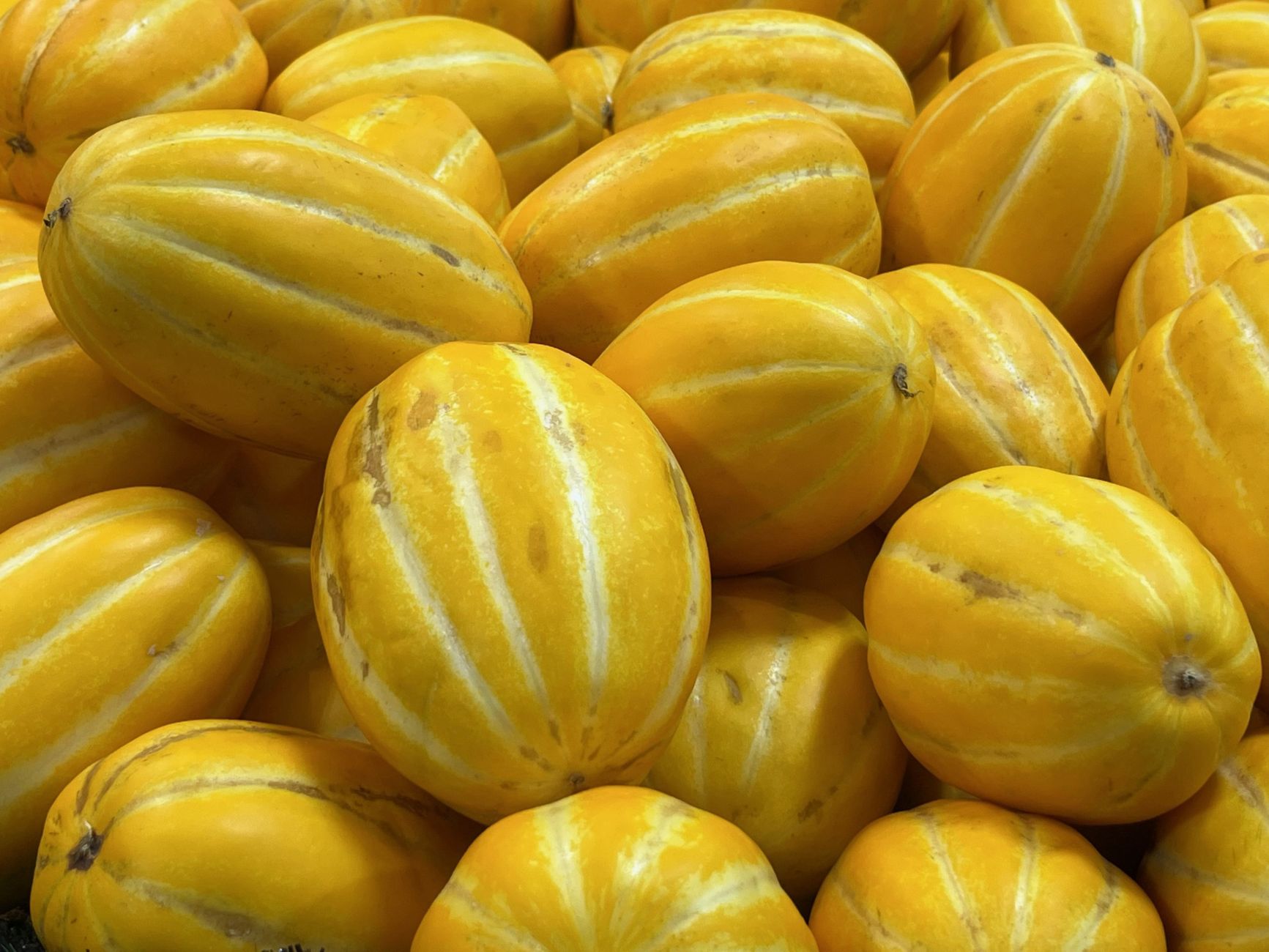
Honeydews: Smooth, green-skinned melons with sweet, pale green flesh. Best in warm climates. Popular: Green Flesh (classic, 85-90 days), Orange Flesh (orange inside, 90+ days).
Which is best? For beginners: Cantaloupe (easiest). For warm climates: Watermelon. For sweet, mild flavor: Honeydew.
Select the Best Planting Site
Sunlight: Melons need 8+ hours of direct sunlight daily. More sun = sweeter fruit.
Soil: Melons prefer well-draining, rich soil with a pH of 6.0-6.8. Add compost or aged manure to improve soil fertility.
Warm soil: Melons love heat. Wait until the soil temperature reaches 70°F before planting. Cold soil stunts growth.
Drainage: Good drainage is critical—melon roots rot in wet soil. If you have heavy clay, plant on raised beds or hills.
Space: Melons are vines that spread. Give them plenty of room to grow.
Plant Melons Correctly

When to plant: Plant seeds directly in the garden after all danger of frost has passed and the soil has warmed to 70°F. In cooler climates, start seeds indoors 4-6 weeks before the last frost.
Planting depth: Plant seeds 1/2 to 1 inch deep. Plant 2-3 seeds per hill, then thin to the strongest plant.
Spacing: Space plants 2-3 feet apart in rows 5-6 feet apart. For hills, space hills 5-6 feet apart.
Transplanting: If you started seeds indoors, transplant after the last frost. Harden off plants for a week before transplanting.
Watering after planting: Water gently to settle the soil around the seeds.
Water and Fertilize

Water: Melons need 1-2 inches of water per week, more during fruit development. Use drip irrigation to water deeply and consistently.
Consistency: Inconsistent watering can cause fruit cracking or poor flavor. Water evenly.
Mulch: Apply 2-3 inches of mulch (straw or black plastic) around the plants. Mulch retains moisture, suppresses weeds, and warms the soil.
Fertilizer: Apply a balanced fertilizer (10-10-10) at planting and again when vines start to run. Side-dress with fertilizer when fruit begins to set.
Avoid high nitrogen: Too much nitrogen promotes leafy growth at the expense of fruit.
Train and Prune

Training: Melons are vines that spread. Train them to grow in a specific direction to save space.
Pruning: Remove some side shoots to encourage larger fruit. Limit each plant to 3-4 melons for the best size and sweetness.
Support: You can grow melons on a trellis. Use slings to support the fruit as they grow.
Ground growing: On the ground, place a piece of wood or tile under each developing melon to prevent rot.
Protect from Pests and Diseases

Cucumber beetles: The most serious pest. They spread bacterial wilt. Use row covers, insecticidal soap, or neem oil.
Squash bugs: Hand-pick or use insecticidal soap.
Aphids: Spray with insecticidal soap or neem oil.
Powdery mildew: Common fungal disease. Use sulfur spray or neem oil. Ensure good air circulation.
Fusarium wilt: Choose resistant varieties. Rotate crops.
Row covers: Use row covers to protect young plants from pests. Remove when flowers appear for pollination.
Harvest at the Right Time
Watermelon: Ready when the tendril near the stem turns brown and dries. Thumping produces a deep, hollow sound. The underside turns yellow.
Cantaloupe: Ready when the stem separates easily (full slip) and the fruit has a sweet aroma.
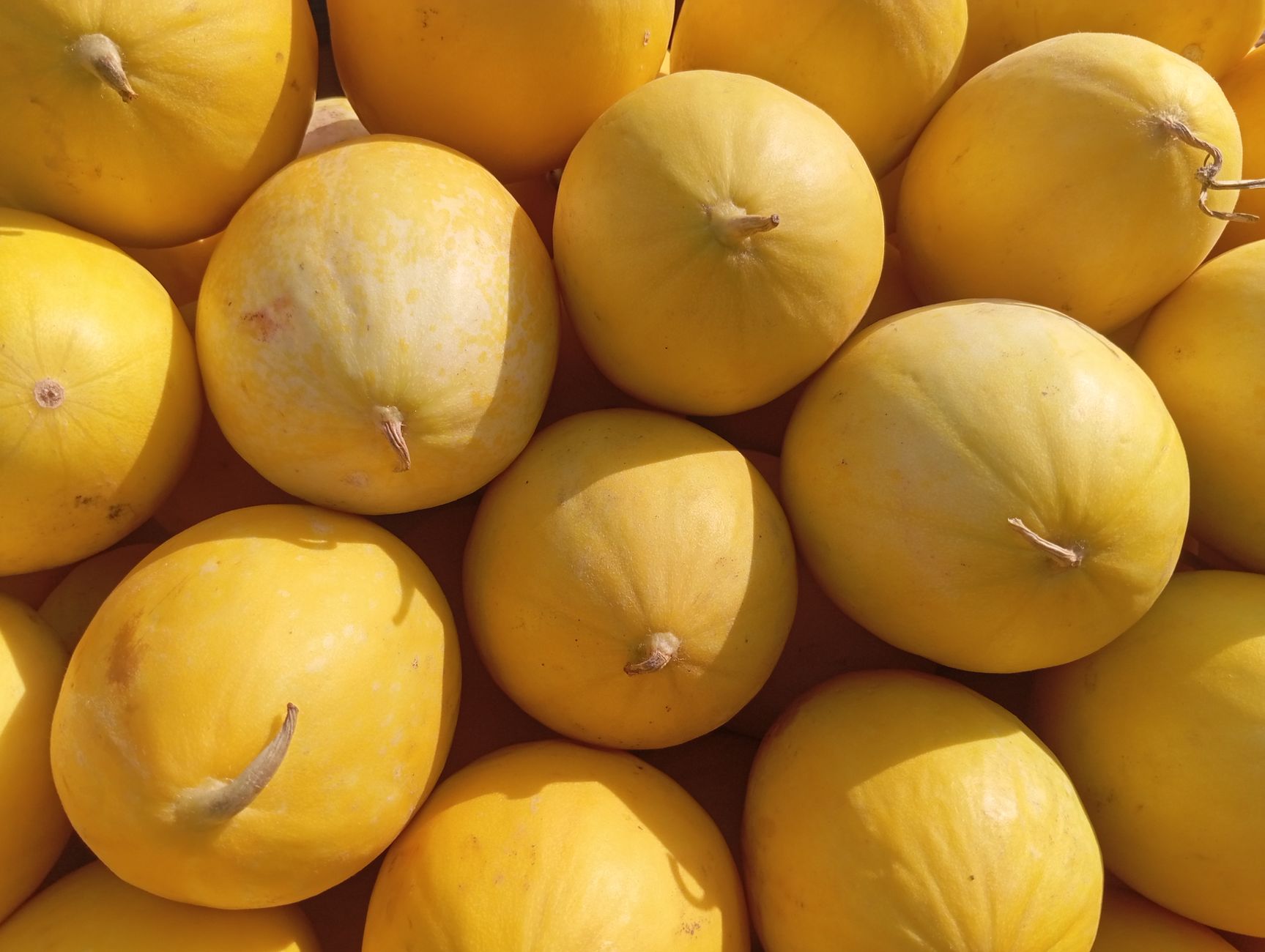
Honeydew: Ready when the skin turns creamy yellow and the fruit has a sweet aroma. The stem may separate easily.
When to harvest: Harvest in the morning when melons are cool.
Storage: Store ripe melons in the refrigerator for 3-5 days. Unripe melons can ripen at room temperature.
Troubleshoot Common Issues

Cracked fruit: Caused by irregular watering. Water consistently and deeply.
Poor fruit set: Lack of pollinators. Attract bees with companion flowers.
Bitter fruit: Too much heat or stress. Water consistently and provide shade.
Small fruit: Overcrowding or lack of nutrition. Thin fruit to 3-4 per plant and fertilize.
Blossom end rot: Calcium deficiency. Add lime or bone meal to the soil.
Common problems and fixes
| Problem | Likely cause | What to do |
|---|---|---|
| No fruit despite flowers | Lack of pollinators, too much nitrogen, or heat stress. | Attract bees, reduce nitrogen, and water consistently. |
| Fruit cracking | Irregular watering. | Water deeply and consistently. Mulch to retain moisture. |
| Leaves wilting | Bacterial wilt from cucumber beetles or drought. | Control cucumber beetles. Water deeply. |
| Small, poor-flavored fruit | Overcrowding or lack of nutrients. | Thin fruit to 3-4 per plant and fertilize. |
Gardener's checklist
Test what you learned
What is the best soil temperature for planting melons?
Answer: 70°F
How much sun do melons need daily?
Answer: 8+ hours
What is the most serious pest for melons?
Answer: Cucumber beetles
How many melons should be left on each plant for best size?
Answer: 3-4
What is the sign that a cantaloupe is ripe?
Answer: The stem separates easily (full slip)
Common questions
How long do melons take to grow?
Melons take 70-90 days from planting to harvest, depending on the variety. Early varieties can be ready in 65-75 days.
Can I grow melons in containers?
Yes, choose compact varieties and use large containers (5-10 gallons). Provide support and water regularly.
Do melons need full sun?
Yes, melons need at least 8 hours of direct sunlight daily. More sun = sweeter fruit.
How do I know when a watermelon is ripe?
Watermelons are ripe when the tendril near the stem turns brown and dries. Thumping produces a deep, hollow sound. The underside turns yellow.
Can I grow melons in cool climates?
Yes, choose early-maturing varieties or start seeds indoors 4-6 weeks before the last frost. Use black plastic mulch to warm the soil.
Growing melons is a summer treat that rewards gardeners with sweet, juicy fruit. The key is warm soil (70°F), consistent watering, and learning the signs of ripeness for each melon type. Plant in full sun, protect from cucumber beetles, and thin fruit to 3-4 per plant for the best size and sweetness. Whether you grow watermelons, cantaloupes, or honeydews, homegrown melons are far superior to store-bought. With a little patience and care, you'll be enjoying sun-ripened melons all summer long.
Frequently asked questions
How often should a vegetable garden be watered?
Frequency depends on weather, soil and plant size. Check the soil rather than watering on a rigid schedule.
Is compost enough fertilizer?
Compost improves soil and provides nutrients slowly. Heavy-feeding crops may still need additional feeding.

The Sproutstead Editorial Team
We create clear, practical gardening and homesteading guides designed for real homes and beginner growers.
View author profile →