
Plant horseradish root cuttings at a 45-degree angle, 2-4 inches deep, in early spring, ideally in a contained bed or large container to control its notoriously vigorous spreading habit. Water during dry spells, and harvest roots in fall after the first frost, once the plant has had a full season to develop, digging carefully to extract the long taproot.
What you will need
Understand Horseradish's Vigorous, Spreading Nature
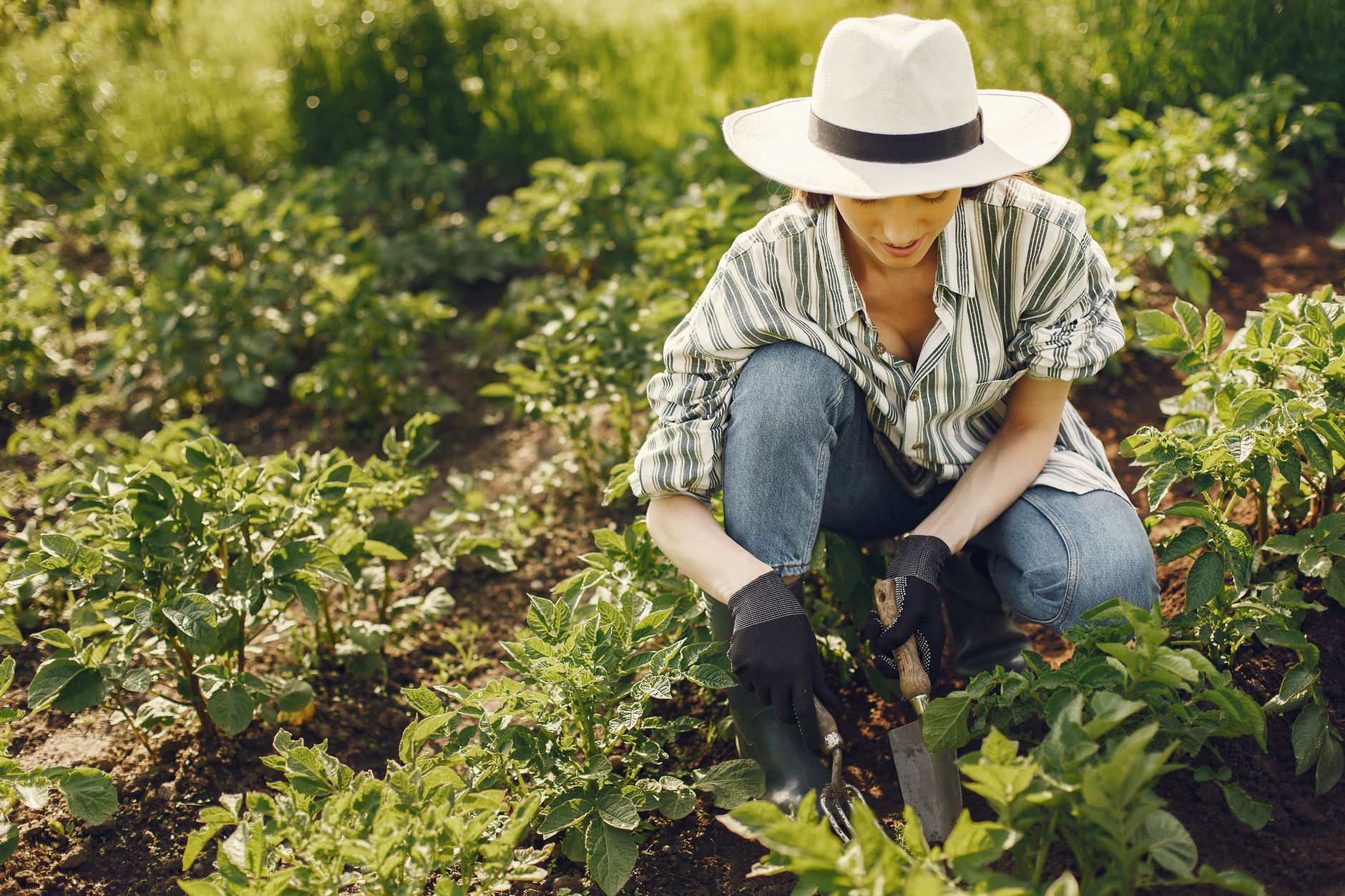
Horseradish is notoriously vigorous and will readily spread from even small leftover root fragments left in the soil, meaning a planting that isn't properly contained from the start can become a persistent, difficult-to-remove presence in your garden for years afterward.
This isn't a minor consideration; many gardeners who've grown horseradish without containment describe genuine regret at how difficult it becomes to fully remove once established, since even a small missed root piece during digging will readily resprout the following season.
Despite this reputation, horseradish is entirely manageable and even genuinely convenient once you plan for its habit from the beginning, either through physical containment or by dedicating a permanent, isolated bed specifically to it.
Understanding this upfront isn't meant to discourage growing horseradish, since it's a rewarding, low-maintenance, and productive plant, but rather to ensure your planning matches its actual growth habit rather than treating it like a typical, well-behaved garden vegetable.
Choose a Containment Strategy
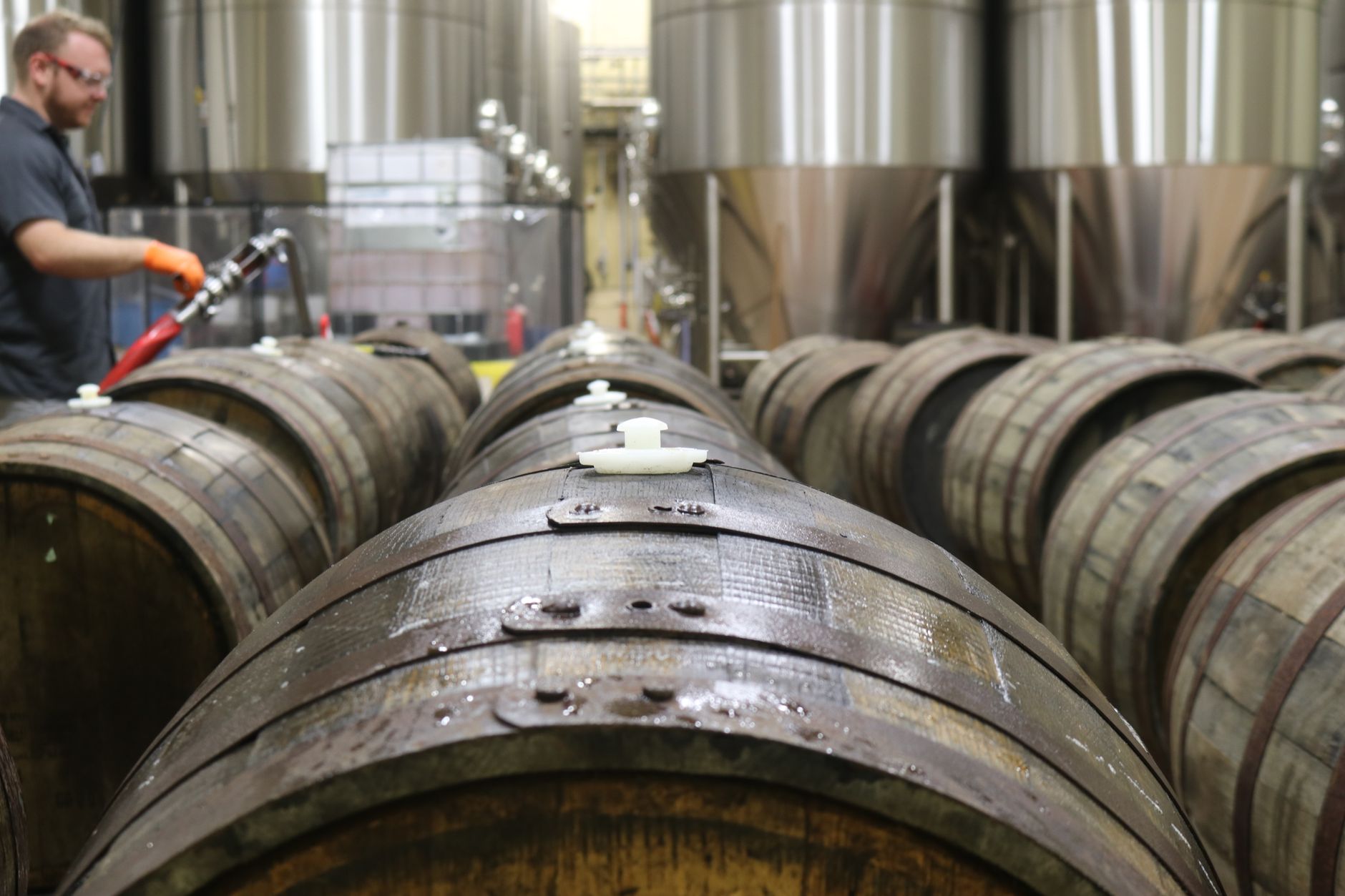
Growing horseradish in a large container or half-barrel, at least 18-24 inches deep and wide, is one of the most reliable containment methods, fully preventing root spread into the surrounding garden while still giving the plant ample room to develop substantial roots.
Alternatively, bury a bottomless container, large plastic tub with the bottom cut out, or a section of sturdy landscape barrier material vertically in the ground around the planting area, extending at least 18-24 inches deep to physically block roots from spreading beyond the contained zone.
Some gardeners dedicate an entirely separate, permanent bed specifically to horseradish, accepting its spreading nature within that defined space rather than fighting it, which works well if you have room to set aside an area exclusively for this purpose long-term.
Whichever method you choose, plan for it before planting rather than after, since attempting to add containment around an already-established, spreading horseradish patch is considerably more difficult and less effective than starting with proper boundaries from day one.
Plant Root Cuttings in Early Spring
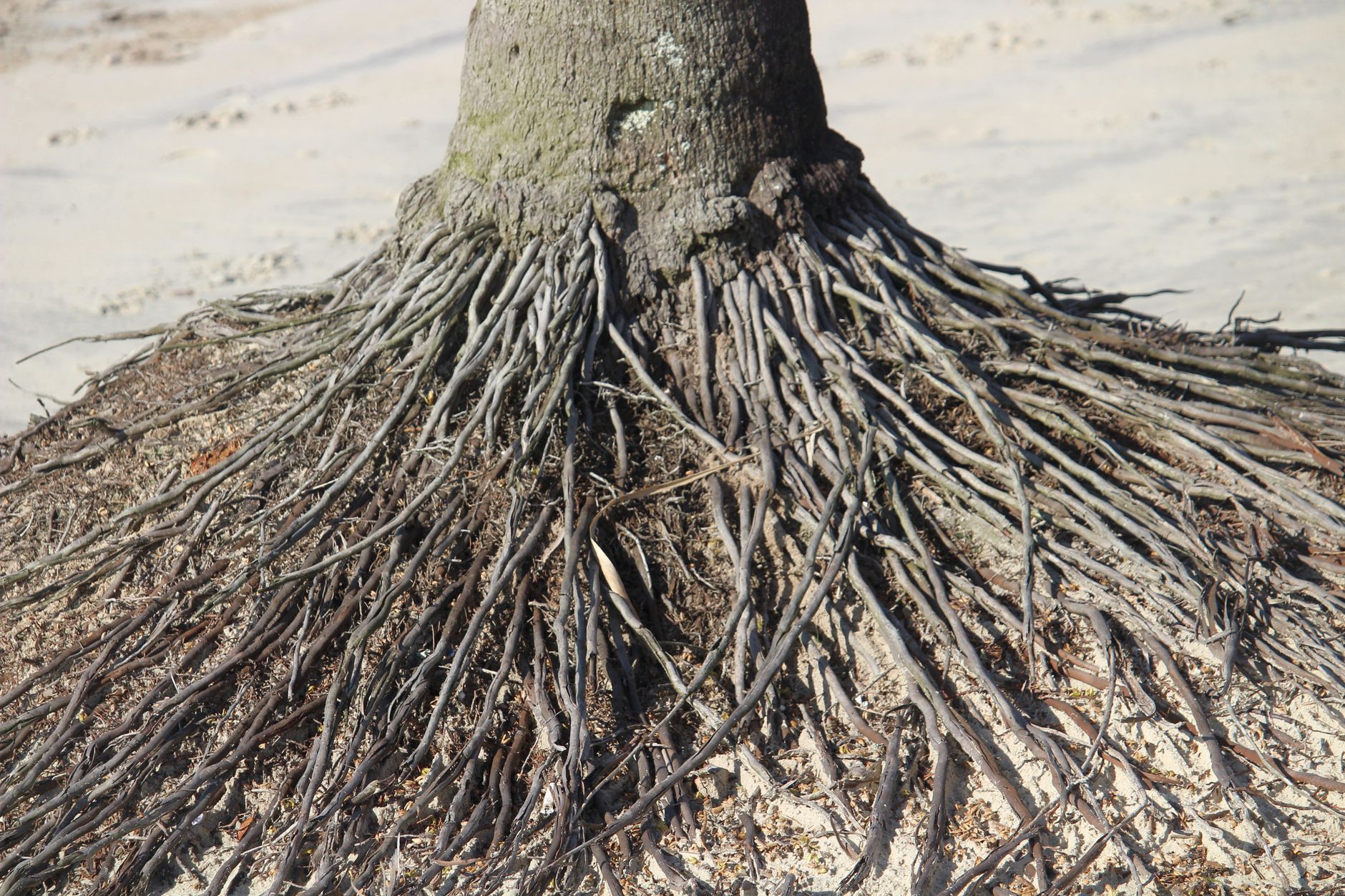
Horseradish is grown from root cuttings or crowns rather than seed, typically sourced from a nursery, garden center, or a piece taken from an established plant; look for firm, healthy root sections about 8-12 inches long and roughly pencil to finger thickness.
Plant root cuttings at a distinctive 45-degree angle, 2-4 inches deep, with the top (crown) end, often identifiable by a slight taper or where new growth was previously emerging, angled upward and closer to the soil surface.
Space multiple plants 12-18 inches apart if planting more than one within your contained area, since even a modest number of plants can produce a substantial harvest given horseradish's vigorous growth habit.
Work compost into the soil before planting, since while horseradish tolerates a wide range of conditions, it produces noticeably better roots in loose, fertile, well-draining soil similar to what other root vegetables prefer.
Provide Minimal But Consistent Care
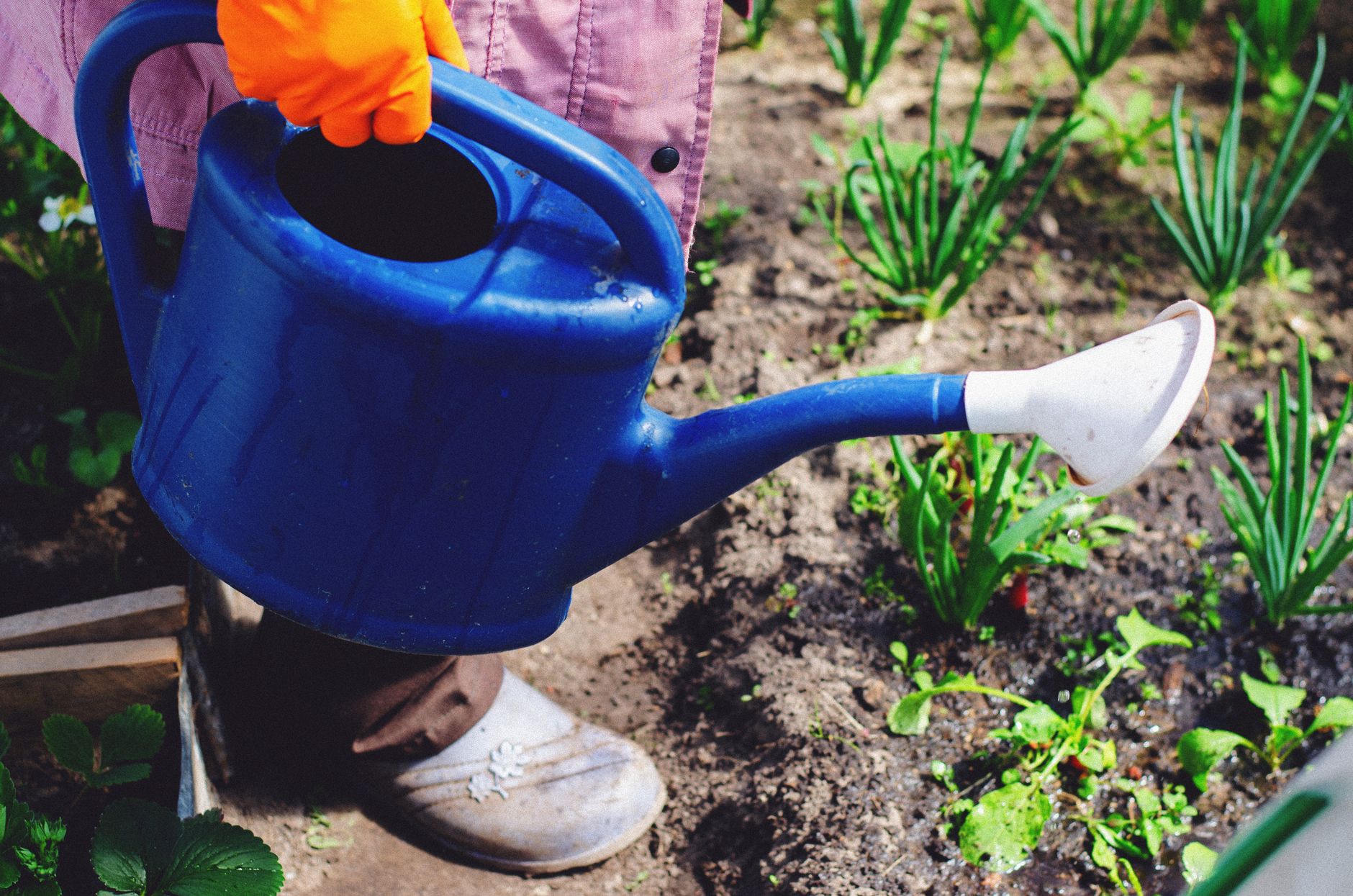
Water during genuinely dry spells, providing supplemental water roughly once a week if rainfall is insufficient, though horseradish is notably drought-tolerant once established compared to many root vegetables and doesn't require the same watering precision.
Mulch around plants to help retain soil moisture and suppress weeds, which is helpful though not strictly essential given horseradish's overall resilience and vigorous growth habit.
Fertilizing is generally unnecessary if soil was reasonably prepared with compost at planting; horseradish tends to grow vigorously with minimal additional feeding, and excess fertility mainly encourages more leaf growth rather than meaningfully improving root quality.
Some gardeners practice a technique called 'lifting,' gently digging up the main root in mid-summer, removing small side roots to concentrate the plant's energy into the main taproot, then replanting; this optional step can produce a larger, more uniform harvest root but isn't necessary for a perfectly usable crop.
Monitor for Minor Pest and Disease Issues
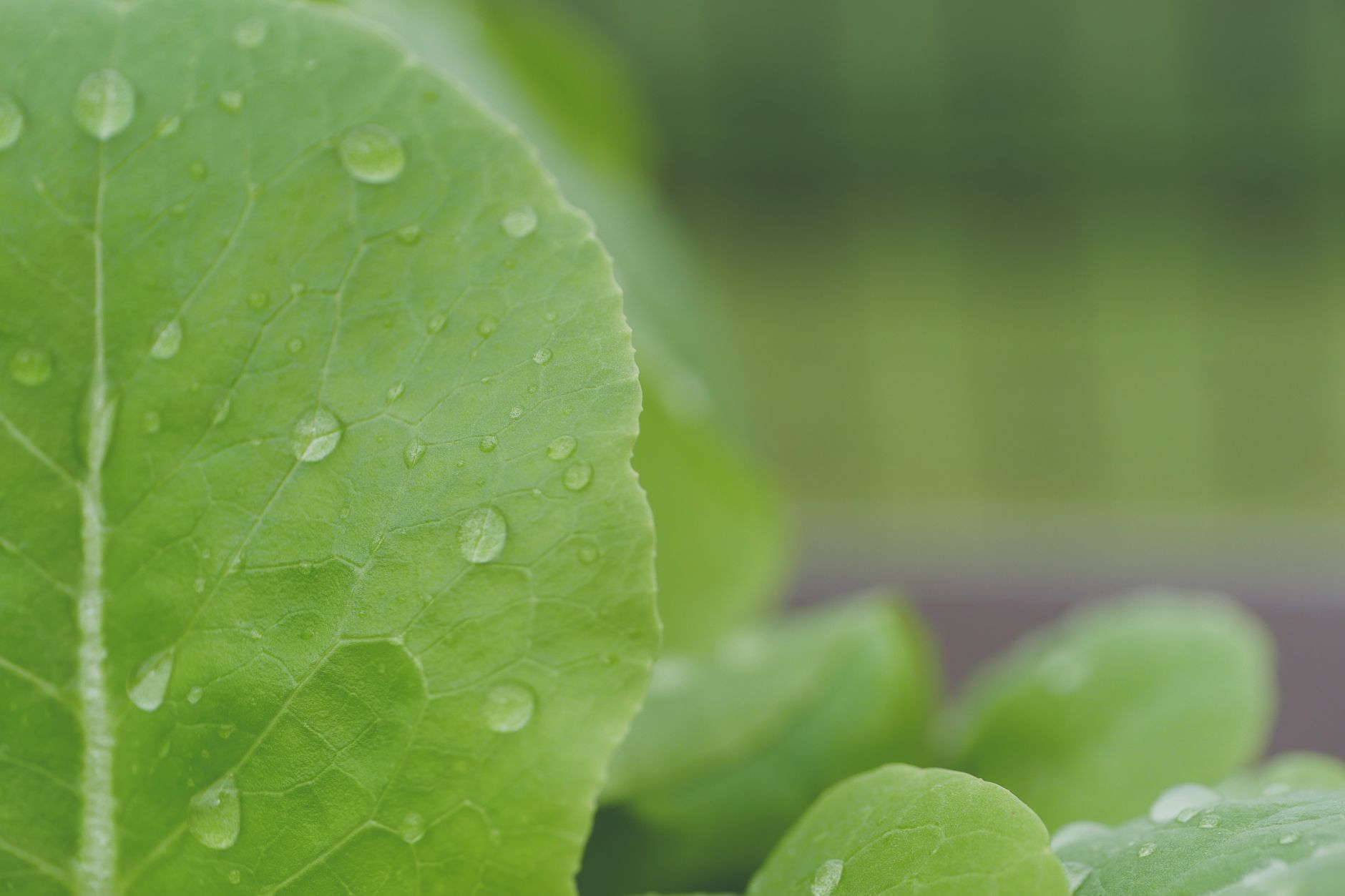
Flea beetles occasionally create small shot-hole damage on leaves, similar to their effect on other members of the mustard family that horseradish belongs to, though established plants generally tolerate this cosmetic damage without significant impact on root development.
Cabbage worms and loopers can sometimes feed on horseradish foliage as well, given its family relation to brassicas; handpicking visible caterpillars is usually sufficient control given the plant's overall vigor and tolerance for some leaf damage.
Horseradish is generally considered quite disease-resistant, with white rust (a fungal disease causing white blister-like spots on leaves) being one of the few notable issues in some regions, usually more of a cosmetic concern than a serious threat to root production.
Overall, horseradish requires considerably less pest monitoring and intervention than most garden vegetables, another aspect of its genuinely low-maintenance reputation once properly contained.
Harvest Roots in Fall
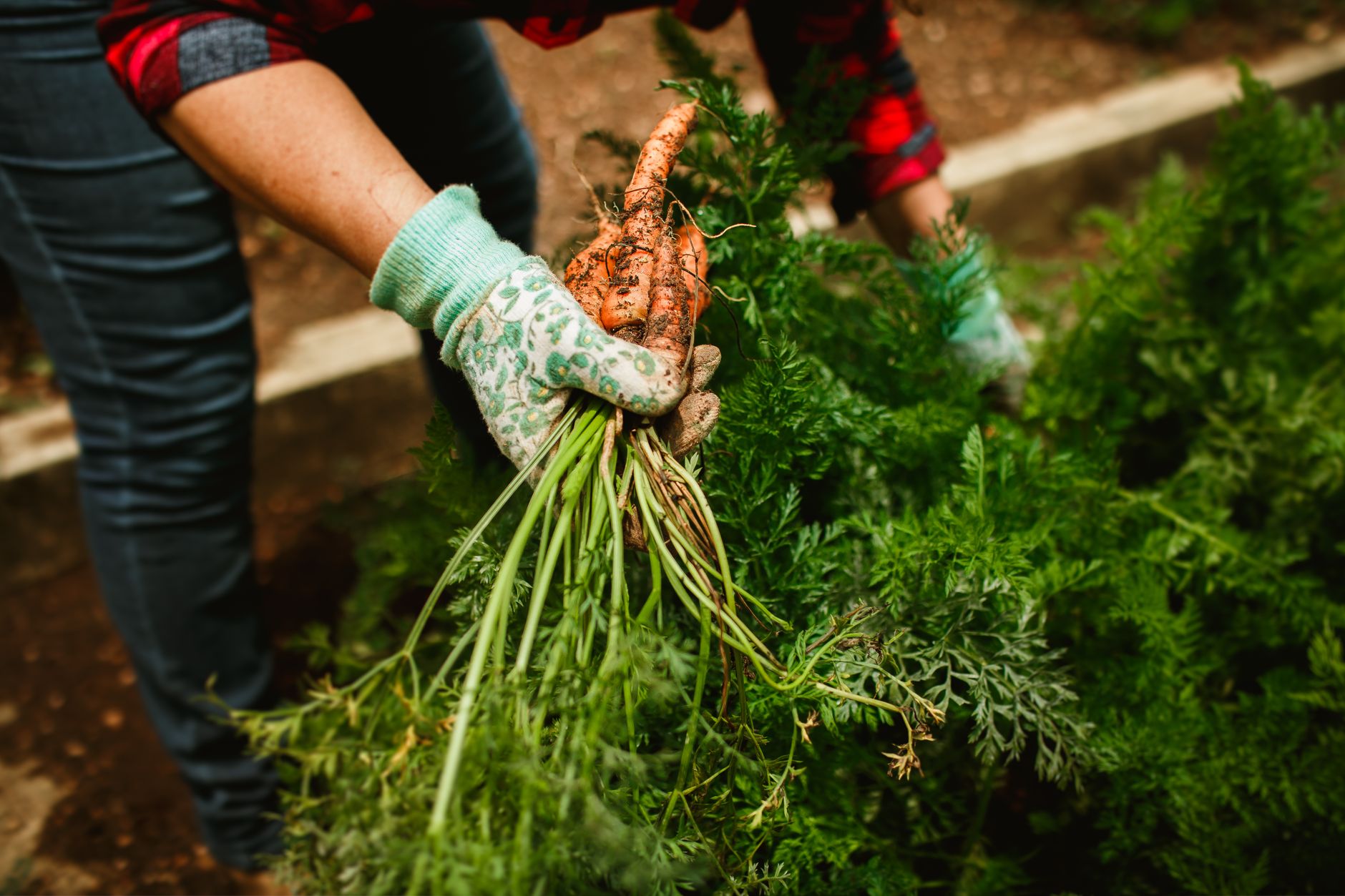
Harvest roots in fall, ideally after the first frost, which many growers believe concentrates and improves the pungent flavor compounds horseradish is prized for, similar to the flavor improvement frost provides to some other root vegetables.
Dig carefully with a garden fork or shovel, working around the plant to loosen soil before lifting the root, since horseradish roots can grow quite deep and this careful approach reduces the risk of snapping the root and leaving fragments behind, which will simply resprout.
If growing in a contained bed intended for multi-year use, harvest only what you need and leave some root material in place to continue producing in future seasons; if you're planning to fully clear the bed, dig as thoroughly as possible to remove all root fragments and prevent unwanted regrowth.
First-year plants can be harvested for a modest root, but many growers prefer to wait until the second fall for a more substantial, fully developed harvest, since roots continue thickening and lengthening with additional growing time.
Save a few healthy root sections from your harvest to replant immediately for next year's crop, effectively giving yourself a continuous supply without needing to purchase new root stock each season.
Store and Prepare Your Harvest

Store unwashed horseradish roots in a perforated plastic bag in the refrigerator, where they'll keep well for several weeks to a couple of months, or in a box of slightly damp sand in a cool root cellar for even longer storage.
When preparing horseradish, grate or process the root in a well-ventilated area, since the volatile compounds released, similar to those in onions but considerably more intense, can cause significant eye irritation; working outdoors or near an open window helps considerably.
Mix freshly grated horseradish with vinegar shortly after processing to stabilize its heat level; without vinegar, the pungency continues developing and can become extremely intense, while vinegar added promptly helps preserve a more moderate, consistent heat level.
Homemade prepared horseradish, once mixed with vinegar and a little salt, keeps well in the refrigerator for several months, offering a considerably more potent and fresher-tasting condiment than most commercially available jarred versions.
Common problems and fixes
| Problem | Likely cause | What to do |
|---|---|---|
| Horseradish spreading beyond its intended planting area | Insufficient or absent containment when the plant was first established. | Dig out as much root material as possible in the affected area, and install proper containment before allowing any remaining plants to continue growing. |
| Roots are thin and poorly developed at harvest | Harvesting in the first year rather than waiting for a second full growing season, or overly compacted soil. | Wait until the second fall for a more substantial harvest, and ensure soil is loose and well-amended with compost at planting. |
| Freshly processed horseradish becomes overwhelmingly, unpleasantly intense | Vinegar wasn't added promptly enough after grating, allowing pungency to develop unchecked. | Add vinegar within a few minutes of grating in future preparations to stabilize the heat at a more moderate, consistent level. |
Gardener's checklist
Test what you learned
Why is containment so important when planting horseradish?
Answer: Horseradish spreads aggressively from root fragments and is hard to remove once established
At what angle should horseradish root cuttings be planted?
Answer: 45-degree angle
When is horseradish typically harvested for the best flavor?
Answer: After the first fall frost
Why should vinegar be added promptly after grating horseradish?
Answer: It stabilizes and moderates the developing heat level
Common questions
Can horseradish be grown in a regular garden bed?
It's strongly discouraged without proper containment, since horseradish spreads aggressively from root fragments and can become very difficult to fully remove once established. A large container or a buried barrier at least 18-24 inches deep is recommended.
How long does it take to grow horseradish?
While roots can technically be harvested in the first fall after planting, most growers wait until the second growing season for a more substantial, fully developed root, since horseradish continues thickening with additional time in the ground.
Why does fresh horseradish sting my eyes when I grate it?
Grating releases volatile sulfur compounds similar to those in onions but considerably more intense, which is why preparing horseradish in a well-ventilated area or outdoors is recommended to minimize irritation.
Is horseradish a perennial?
Yes, horseradish is a hardy perennial in USDA zones 3-9, meaning a properly contained planting can continue producing for many years, especially since even a small amount of remaining root regrows readily each spring.
Horseradish is one of the lowest-maintenance vegetables you can grow, provided you respect its vigorous spreading nature from the very start with proper containment, after which it will reliably produce pungent, flavorful roots year after year with minimal ongoing effort.
Frequently asked questions
How often should a vegetable garden be watered?
Frequency depends on weather, soil and plant size. Check the soil rather than watering on a rigid schedule.
Is compost enough fertilizer?
Compost improves soil and provides nutrients slowly. Heavy-feeding crops may still need additional feeding.

The Sproutstead Editorial Team
We create clear, practical gardening and homesteading guides designed for real homes and beginner growers.
View author profile →

