Start eggplant seeds indoors 8-10 weeks before your last frost, since it needs consistent warmth and a long season to mature. Transplant outdoors once nighttime temperatures stay reliably above 60°F, space plants 18-24 inches apart in full sun, protect young plants from flea beetles, stake heavily fruiting plants, and harvest when fruit is glossy and firm, typically 65-85 days after transplanting.
What you will need
Start Seeds Indoors with Consistent Warmth
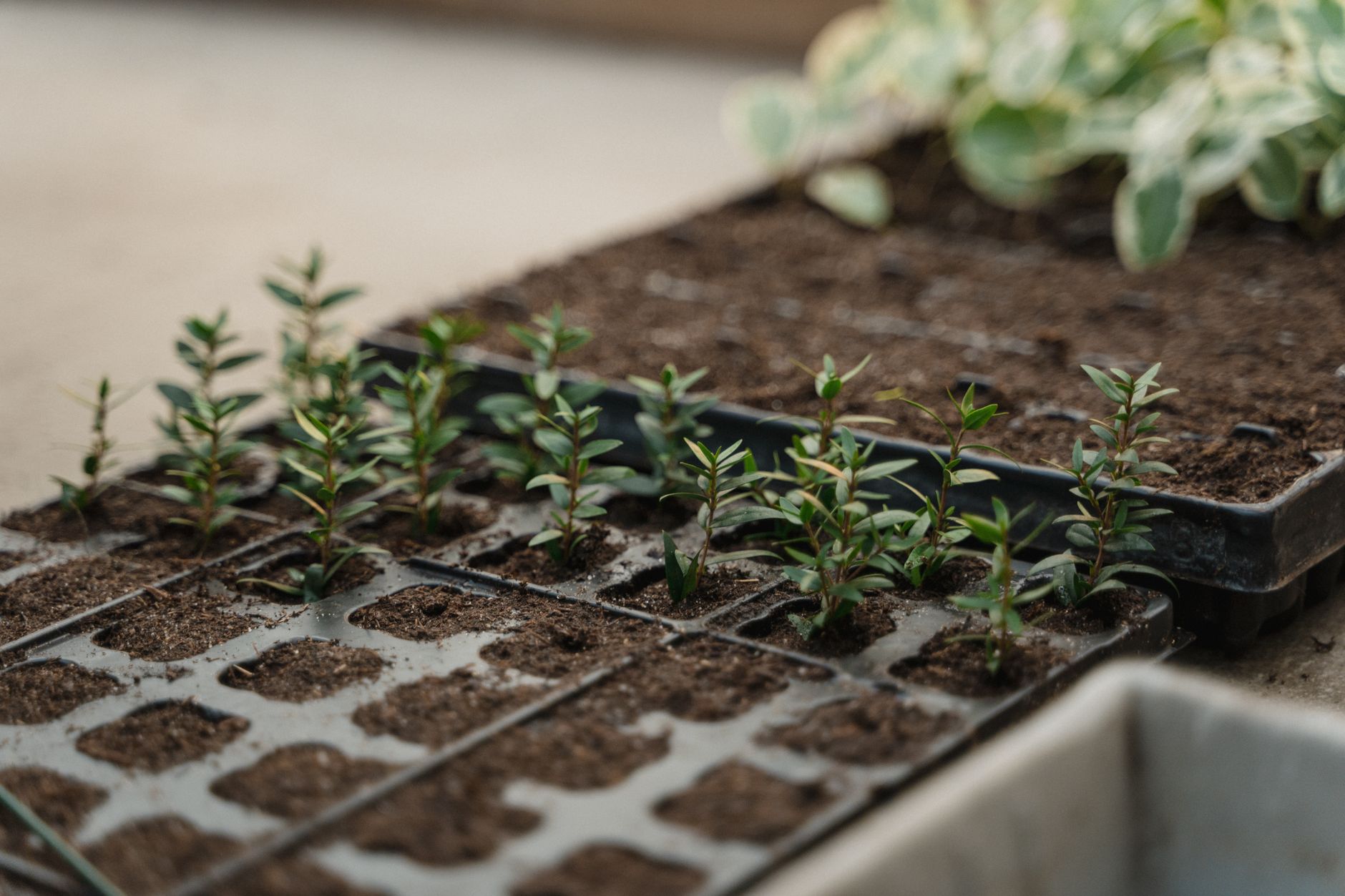
Eggplant is even more heat-loving than its nightshade relatives tomatoes and peppers, and it needs consistently warm conditions, ideally 80-90°F soil temperature, to germinate reliably; a seedling heat mat is genuinely valuable for this crop specifically, more so than for many other vegetables.
Start seeds indoors 8-10 weeks before your last expected frost date, sowing a quarter-inch deep in a good seed-starting mix, since eggplant needs this long lead time combined with a full warm growing season outdoors to produce a worthwhile harvest.
Germination can take 1-2 weeks under ideal warm conditions, but may stretch considerably longer if temperatures aren't consistently warm enough, so patience combined with maintaining proper warmth matters more for eggplant than for most other seeds you might be starting at the same time.
Once seedlings emerge, move them under strong light immediately, either a bright south-facing window or a grow light positioned a few inches above the plants for 14-16 hours daily, since insufficient light produces weak, leggy seedlings that struggle after transplanting.
Choose a Variety Suited to Your Season
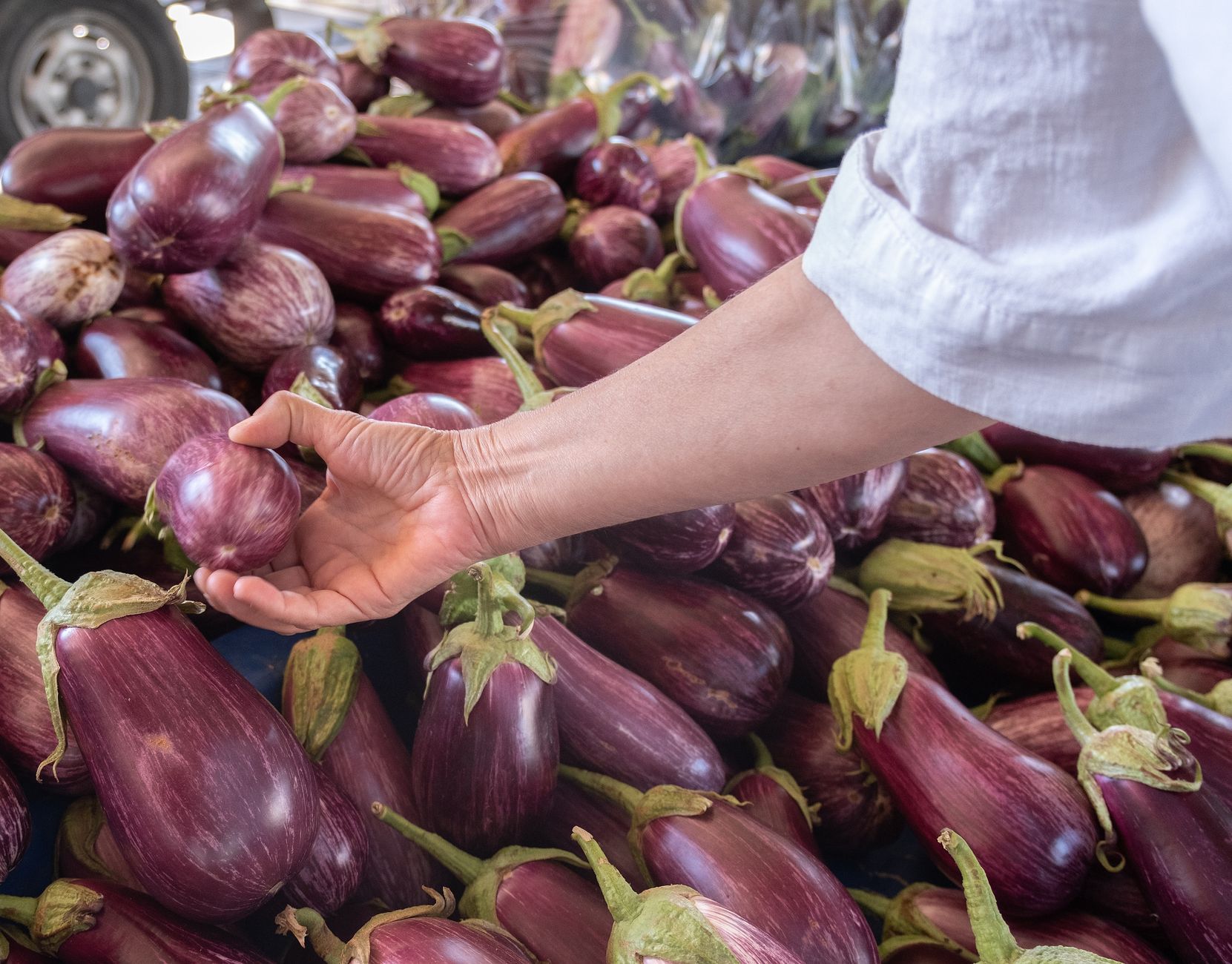
Classic large purple varieties like Black Beauty are widely available and productive but generally need the longest season to mature, making them a better fit for gardeners in warmer climates with an extended frost-free period.
Asian eggplant varieties, typically longer and more slender, often mature faster and tend to be more productive in cooler or shorter-season climates, while also being generally more tender and less bitter, requiring less preparation before cooking.
Smaller-fruited varieties, including some Italian and specialty types, can be a good choice for container growing or smaller gardens, producing a good yield of manageable-sized fruit without needing as much space as the larger classic types.
Gardeners in regions with genuinely short growing seasons should prioritize the fastest-maturing varieties available and consider starting seeds on the earlier end of the recommended window, since eggplant is one of the less forgiving crops when it comes to running out of warm season before harvest.
Transplant Once Conditions Are Genuinely Warm
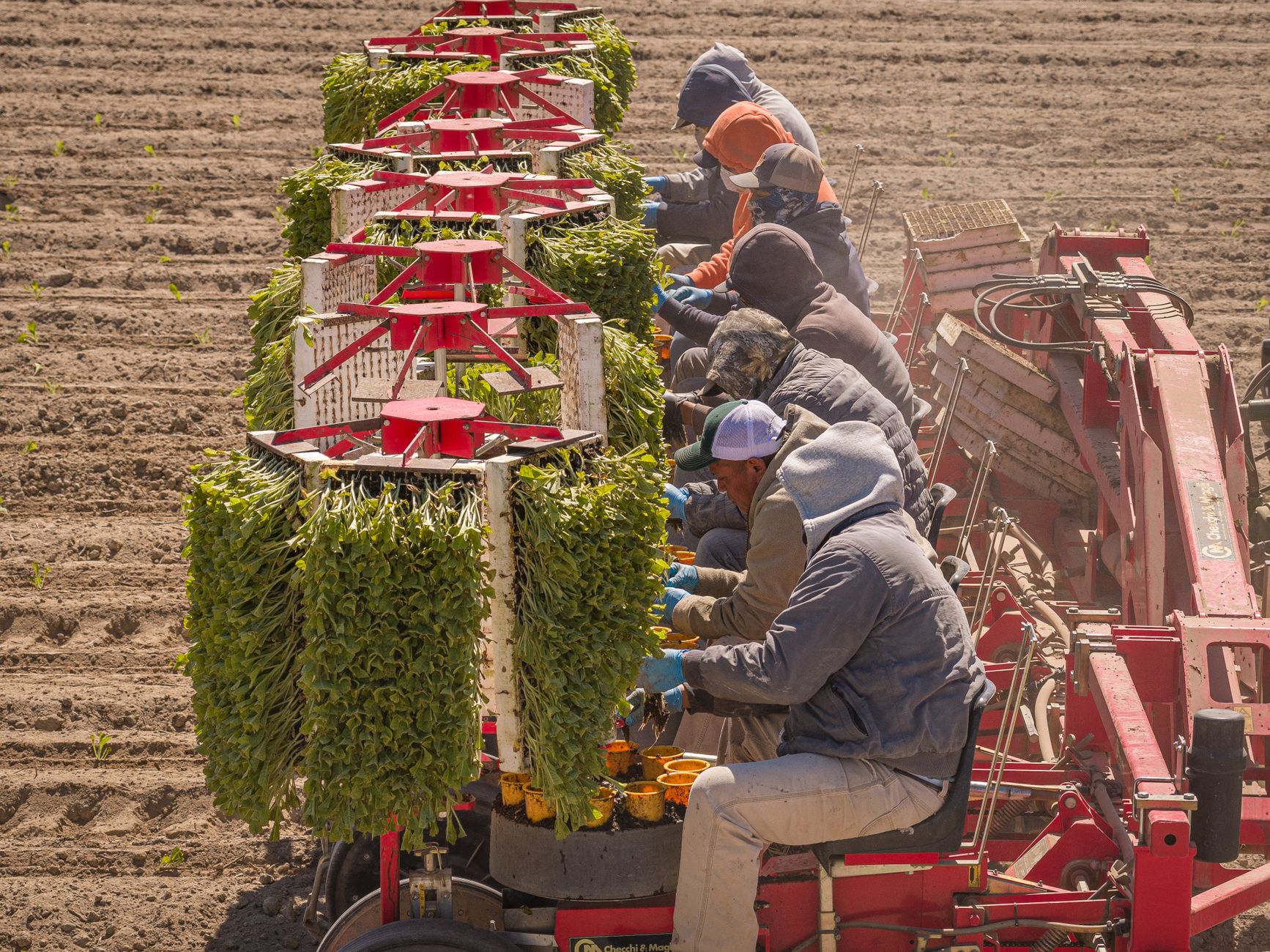
Harden off seedlings for about a week to ten days before transplanting, gradually increasing outdoor exposure to reduce shock once they're permanently moved into the garden.
Eggplant is even more cold-sensitive than peppers; wait until nighttime temperatures stay reliably above 60°F before transplanting, since exposure to cooler temperatures shortly after transplanting can stunt growth for weeks and significantly delay the harvest.
Space plants 18-24 inches apart in rows 24-36 inches apart, giving each plant enough room for its mature size, which can become surprisingly bushy and wide by the height of summer.
Consider using black plastic mulch around transplants in cooler climates, which warms the soil several degrees and can meaningfully help eggplant, a crop that genuinely struggles without sustained heat, get a stronger start.
Prepare Fertile Soil and Feed Through the Season
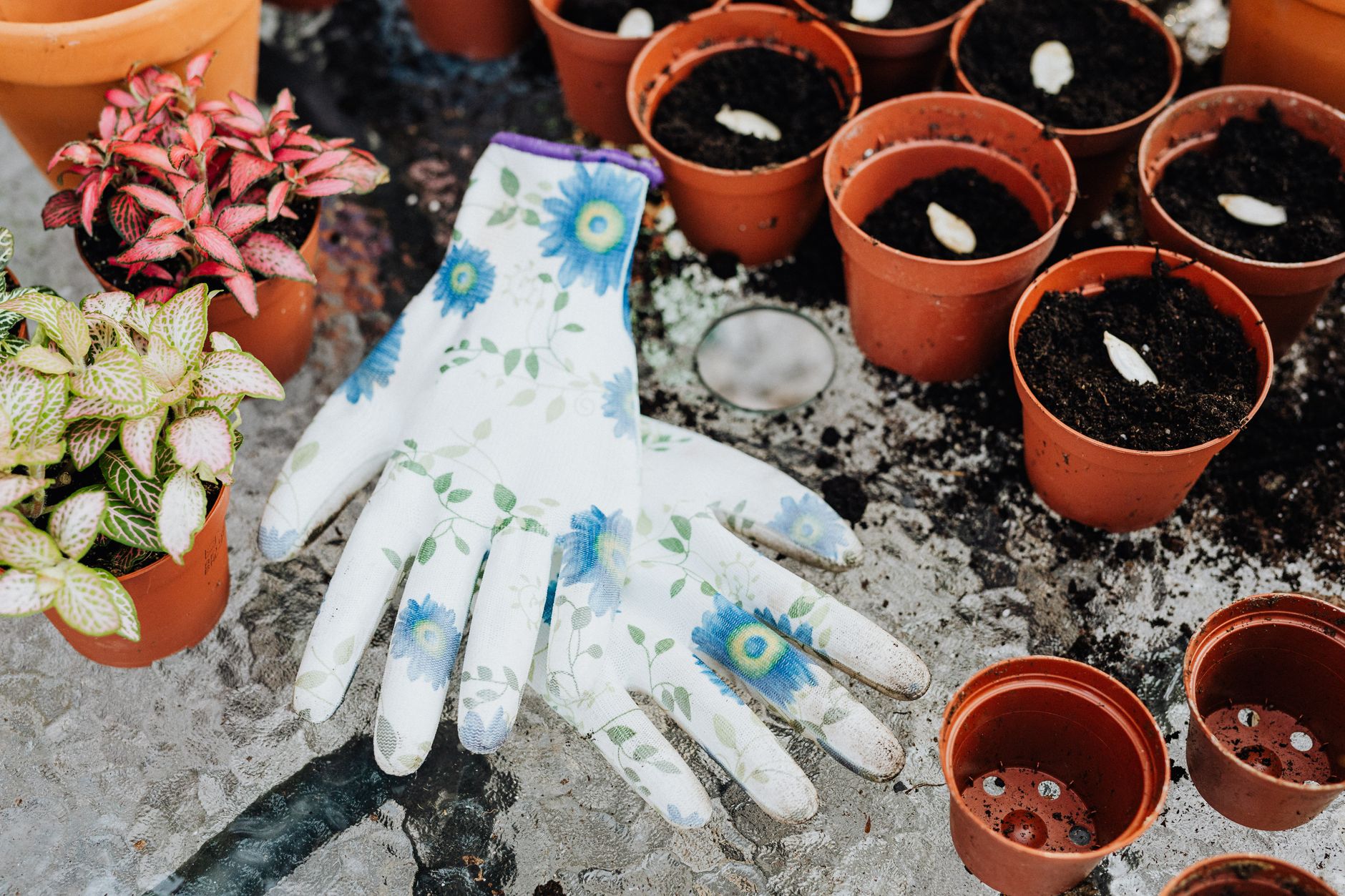
Work 2-3 inches of compost into the soil before planting, aiming for a soil pH between 5.8 and 6.5, and ensure good drainage, since eggplant roots don't tolerate consistently waterlogged conditions well.
Feed with a balanced fertilizer at transplanting, then side-dress with additional fertilizer every 3-4 weeks throughout the growing season, since eggplant is a fairly heavy feeder that benefits from steady, ongoing nutrition to support its substantial fruit development.
As fruit begins forming, a fertilizer with slightly higher phosphorus and potassium relative to nitrogen can help support fruit development without encouraging excessive leafy growth at the expense of the harvest.
Mulch around the base of plants once established to help retain soil moisture, moderate soil temperature, and suppress competing weeds throughout the long growing season eggplant requires.
Protect Young Plants from Flea Beetles

Flea beetles, small jumping insects that create characteristic tiny 'shot-hole' damage across leaves, are eggplant's most significant and well-known pest, capable of severely damaging or even killing young transplants if left unchecked.
Cover transplants with fine mesh row cover fabric immediately after planting, leaving it in place until plants are well established and have grown enough that they can tolerate some leaf damage without serious impact, typically several weeks.
Established, mature eggplant plants tolerate flea beetle damage far better than young transplants, so the most vulnerable and important window for protection is genuinely just those first several weeks after transplanting.
Remove row covers once plants begin flowering to allow pollinator access, since eggplant fruit set benefits from insect pollination, and by this point the plants are typically robust enough to handle any remaining flea beetle pressure.
Interplanting with strongly scented companions like catnip or mint (grown in containers to control its spread) is sometimes used as an additional flea beetle deterrent, though row covers remain the most reliably effective protection method.
Water Consistently and Stake Heavy Plants
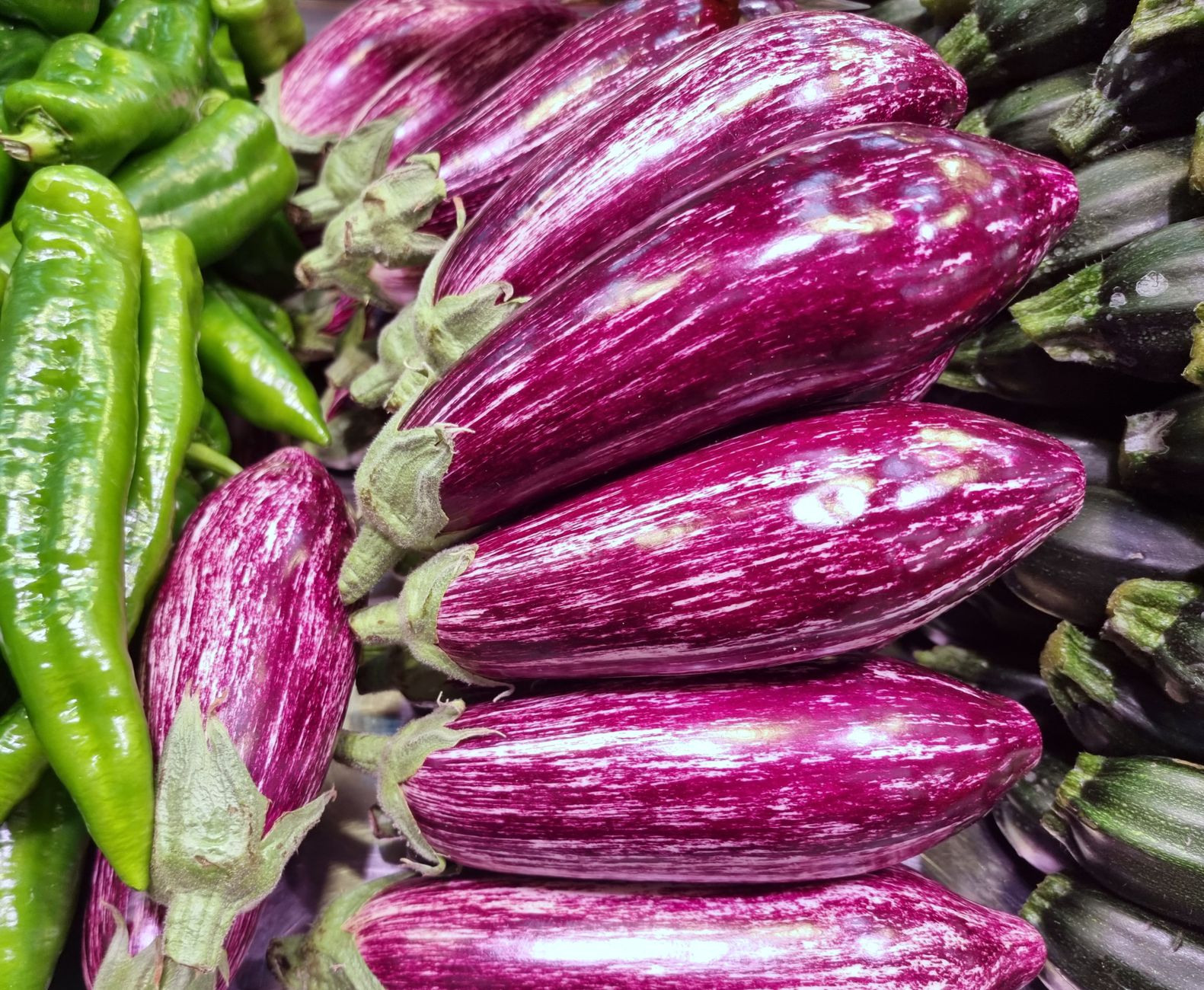
Water deeply and consistently, providing about 1-2 inches per week, since eggplant, similar to its nightshade relatives, is prone to stress and reduced fruit quality under inconsistent watering conditions.
Water at the base of plants rather than overhead when possible, which helps reduce the risk of fungal diseases that can affect foliage in humid or consistently wet conditions.
Install a stake or small cage at transplanting time for larger-fruited varieties, since eggplant fruit can become quite heavy, and branches are prone to bending or breaking under the combined weight of multiple developing fruits, particularly during wind or rain.
Check staked plants periodically through the season, adjusting ties as the plant grows and adding extra support to particularly heavy-laden branches as needed.
Watch for Colorado Potato Beetle and Spider Mites
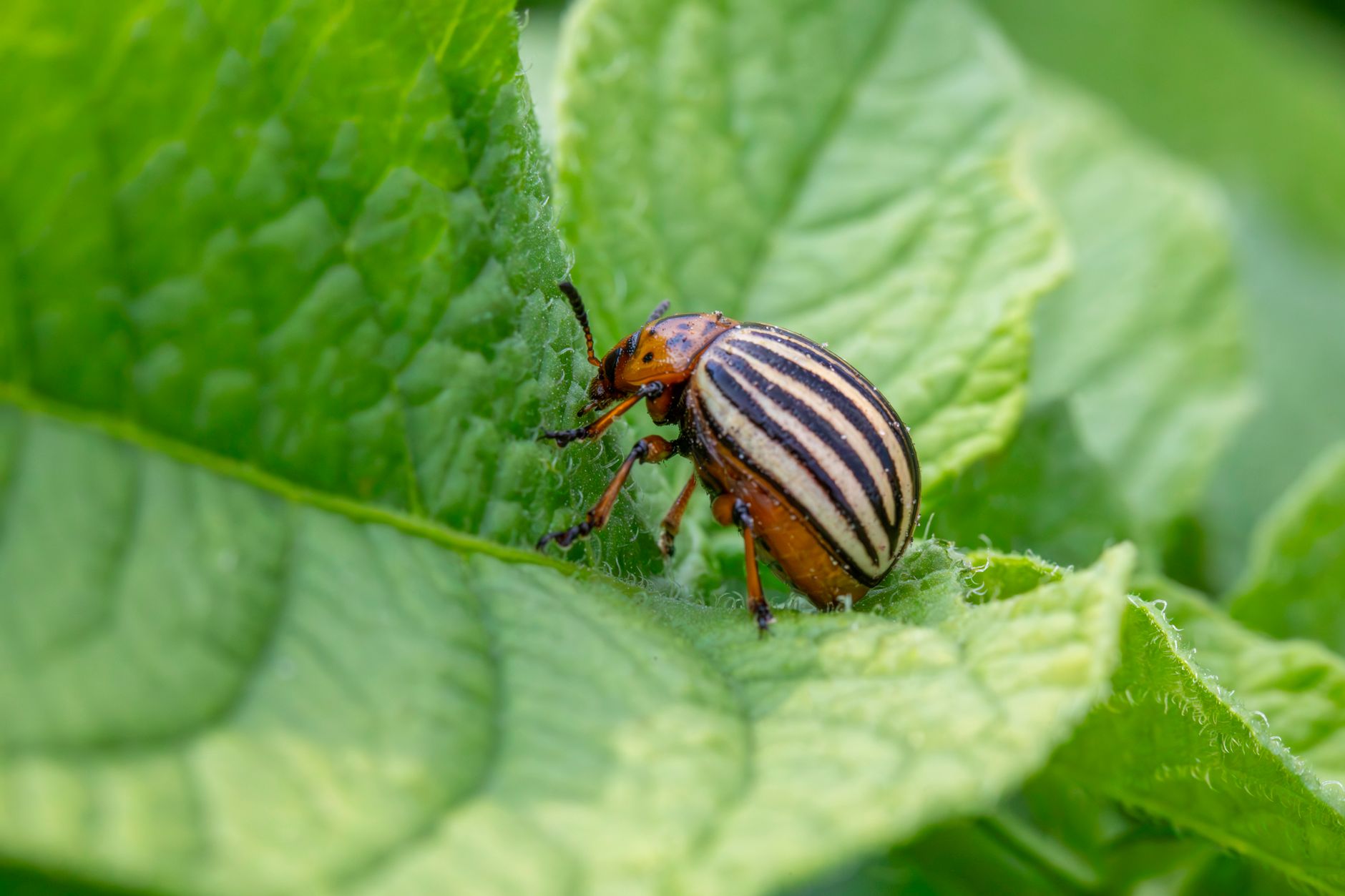
Colorado potato beetles, though best known for attacking potato plants, will also readily feed on eggplant; handpicking adults, orange egg clusters on leaf undersides, and the reddish larvae is often sufficient control for a home garden planting.
Spider mites can become problematic during hot, dry stretches of summer, causing stippled, discolored leaves and fine webbing; regular watering to reduce plant stress and a strong spray of water on the undersides of leaves both help manage light infestations.
Aphids can also occasionally cluster on new growth, typically manageable with insecticidal soap or a strong water spray before populations build to damaging levels.
Rotating eggplant, along with other nightshade family crops like tomatoes and peppers, to a different garden section each year on a 2-3 year cycle helps reduce the buildup of pests and diseases specific to this plant family over time.
Harvest When Fruit Is Glossy and Firm
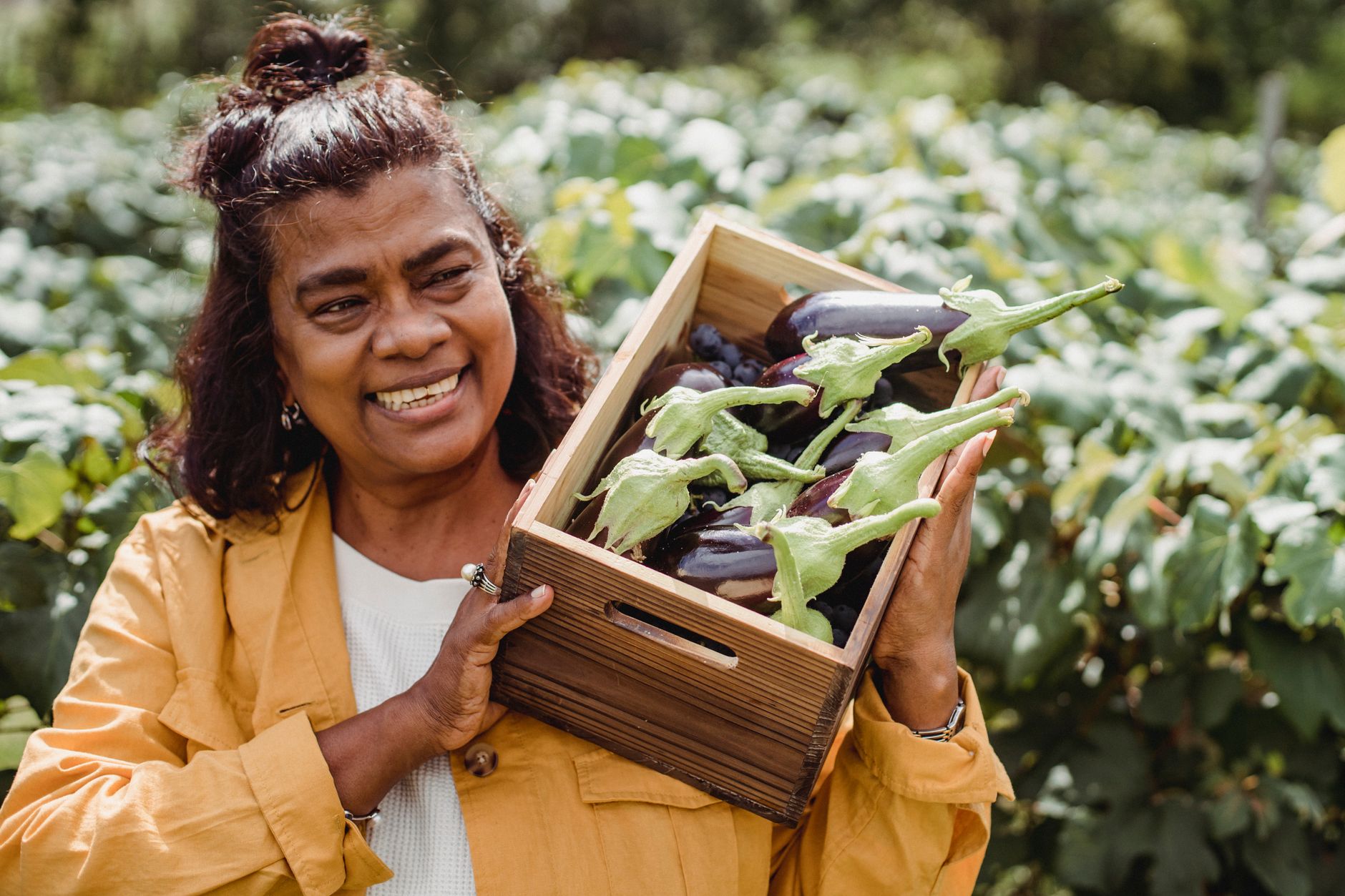
Harvest eggplant when the skin is glossy and taut, and the fruit feels firm but gives slightly to gentle pressure, typically 65-85 days after transplanting depending on variety, rather than waiting for maximum possible size.
Perform a simple thumb test to check ripeness: press a thumb gently against the skin; if the indentation springs back, the fruit is ready, but if the indentation stays pressed in, the eggplant has likely gone past its prime and developed excess seeds and a bitter, spongy texture.
Cut fruit from the plant with a sharp knife or pruning shears rather than pulling, since the stems are notably tough and woody, and leave a short section of stem, often called the calyx cap, attached to the harvested fruit for better storage.
Check plants every few days once fruiting begins, since eggplant left on the plant too long past ripeness develops dull, less glossy skin, larger and more numerous seeds, and an increasingly bitter, less desirable flavor and texture.
Regular harvesting, similar to many other fruiting vegetables, also encourages the plant to continue setting new fruit throughout the season rather than slowing down once existing fruit has fully matured.
Common problems and fixes
| Problem | Likely cause | What to do |
|---|---|---|
| Numerous small holes throughout young transplant leaves | Flea beetle feeding damage. | Cover with row cover fabric immediately, since young transplants are far more vulnerable to serious damage than established plants. |
| Harvested fruit has spongy texture and large, bitter seeds | Fruit left on the plant too long past its ideal ripeness. | Check plants more frequently once fruiting begins, and harvest as soon as the thumb test indentation springs back rather than waiting for maximum size. |
| Slow growth and stunted plants despite otherwise good care | Transplanting too early into cool conditions, causing lasting cold stress. | Wait for nighttime temperatures to reliably exceed 60°F before transplanting in future seasons, and consider black plastic mulch to warm soil further in cooler climates. |
| Stippled, discolored leaves with fine webbing during hot weather | Spider mite infestation, often worse during hot, dry conditions. | Increase watering consistency to reduce plant stress, and spray the undersides of leaves with water to disrupt mite populations. |
Gardener's checklist
Test what you learned
What is eggplant's most notorious pest for young transplants?
Answer: Flea beetles
How can you test if an eggplant is ready to harvest?
Answer: Press gently with a thumb; the indentation should spring back
At what nighttime temperature is it safe to transplant eggplant outdoors?
Answer: Above 60°F
What happens to eggplant fruit left on the plant too long?
Answer: It develops spongy texture and bitter, large seeds
Common questions
Why is my eggplant not growing well even though I planted it early?
Eggplant is highly sensitive to cold, and transplanting even slightly too early, before nighttime temperatures reliably stay above 60°F, can cause lasting cold stress that stunts growth for weeks. Wait for genuinely warm conditions before transplanting.
Do I need to peel eggplant before eating it?
This is a matter of preference rather than growing technique; younger, smaller eggplants generally have thinner, more tender skin that doesn't need peeling, while larger, more mature fruit sometimes has tougher skin some cooks prefer to remove.
How long does eggplant take to grow?
From transplanting, eggplant typically takes 65-85 days to reach harvest, depending on variety, though the full process including the required indoor seed-starting period spans a genuinely long season of around 4-5 months total.
Can eggplant be grown in containers?
Yes, particularly compact or smaller-fruited varieties, in a container at least 5 gallons in size with good drainage, though consistent watering becomes especially important in containers given eggplant's sensitivity to inconsistent moisture.
Eggplant demands warmth and patience more than any special skill, from a warm indoor start through a genuinely warm transplant date, and rewards that care with glossy, tender fruit as long as you harvest it before it passes its prime.
Frequently asked questions
How often should a vegetable garden be watered?
Frequency depends on weather, soil and plant size. Check the soil rather than watering on a rigid schedule.
Is compost enough fertilizer?
Compost improves soil and provides nutrients slowly. Heavy-feeding crops may still need additional feeding.

The Sproutstead Editorial Team
We create clear, practical gardening and homesteading guides designed for real homes and beginner growers.
View author profile →