Grow cabbage as a cool-season crop, starting transplants 4-6 weeks before your last spring frost or in mid-summer for a fall crop. Space plants 12-24 inches apart depending on variety, water and feed consistently, protect from cabbage worms, and harvest once heads feel firm and dense, typically 60-105 days after transplanting.
What you will need
Time Your Planting for Cool Weather

Cabbage grows best in cool weather between 60-70°F and tolerates frost remarkably well once established, including light freezes that would damage many other vegetables, making it a good choice for both very early spring and late fall harvests.
For a spring crop, start seeds indoors 6-8 weeks before your last frost date and transplant out about 2-4 weeks before that date, since young cabbage handles cold considerably better than heat.
For a fall crop, which many gardeners find produces the sweetest, most reliable heads since maturity coincides with cooling temperatures rather than rising ones, start seeds in mid-summer, timed so the crop matures before your first hard freeze.
In regions with mild winters, cabbage can sometimes be grown right through the cold months for a late winter or early spring harvest, though this depends heavily on your specific local climate and the severity of winter conditions.
Choose a Variety Suited to Your Timeline
Early varieties like Golden Acre mature in as little as 60-70 days and produce smaller, more compact heads, well-suited to gardeners wanting a quicker harvest or working with a shorter growing season.
Late-season and storage varieties, including many green and red cabbage types, can take 90-105 days or more to mature but typically produce larger, denser heads that store considerably longer in a root cellar or refrigerator.
Savoy cabbage, with its distinctive crinkled leaves, tends to be more cold-tolerant and is prized for its more tender texture, though it generally doesn't store quite as long as smooth-leaf storage varieties.
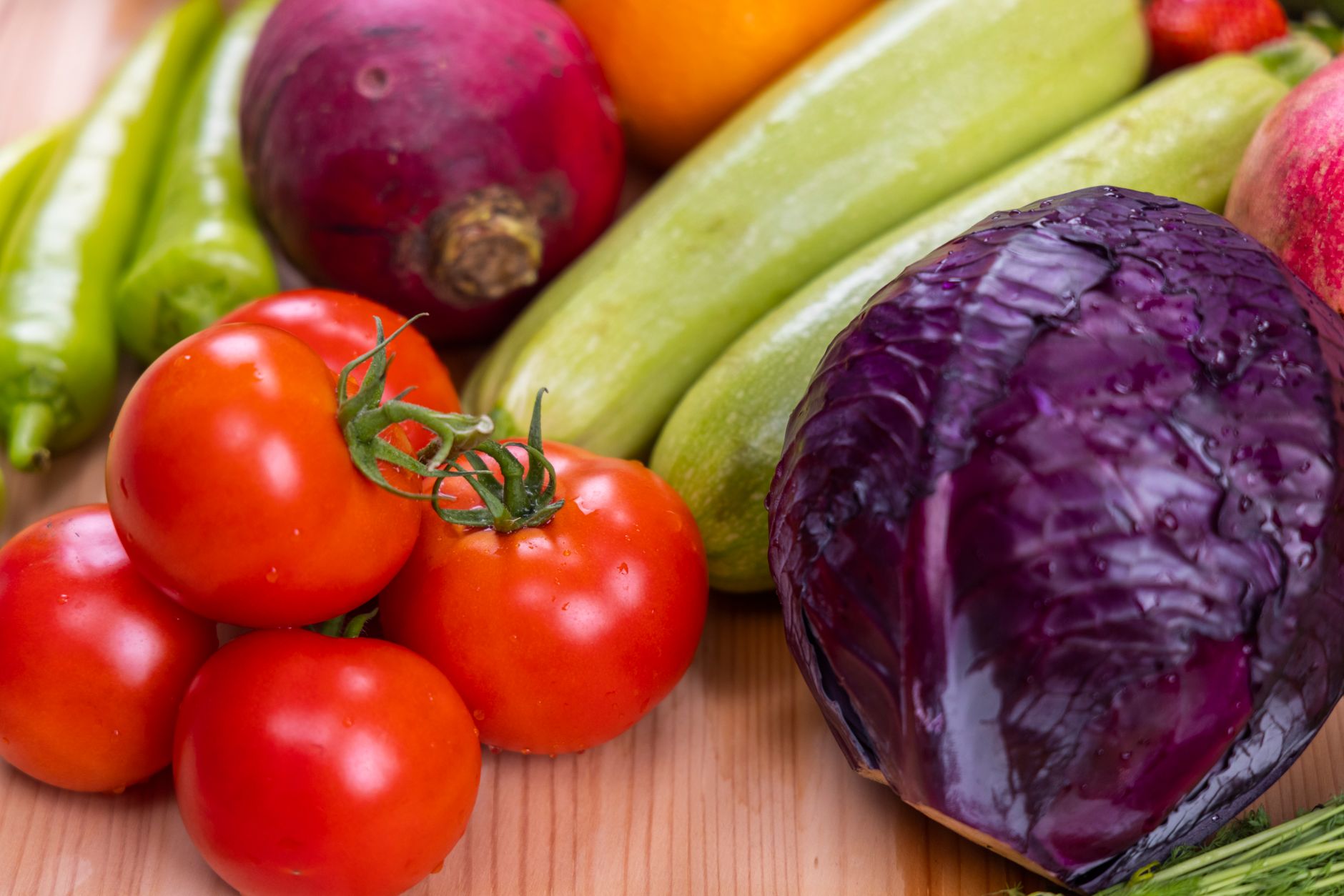
Red cabbage varieties follow similar growing requirements to green types, though they sometimes take slightly longer to mature and are valued both for their color in the garden and their longer storage life in the kitchen.
Prepare Fertile Soil and Transplant
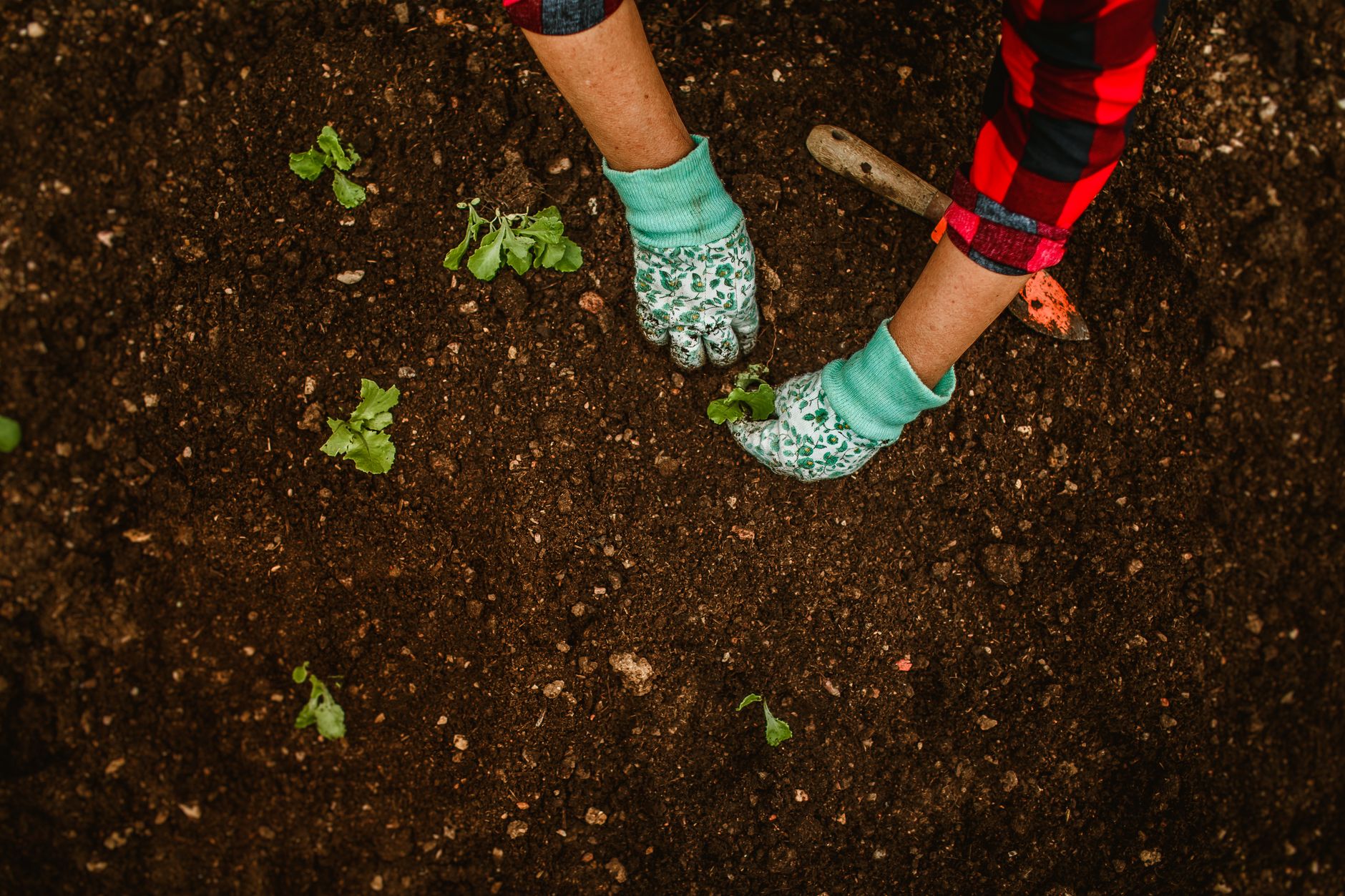
Work 2-3 inches of compost or aged manure into the soil before planting, since cabbage is a genuinely heavy feeder that draws substantial nutrients from the soil throughout its relatively long growing season.
Aim for a soil pH between 6.0 and 6.8, and ensure good drainage, since cabbage doesn't tolerate consistently waterlogged roots well, though it does need steady moisture, covered in more detail in the next step.
Space transplants according to variety: 12-18 inches apart for smaller early varieties, and up to 24 inches for larger late-season and storage types, in rows 24-36 inches apart to accommodate the plant's full mature spread.
Plant transplants slightly deeper than they were growing in their containers, burying the stem up to the first set of true leaves, which provides extra stability as the developing head adds weight to the plant later in the season.
Avoid planting cabbage in a bed that grew other brassicas like broccoli, cauliflower, or kale within the past 2-3 years, since this rotation gap helps reduce disease and pest pressure specific to the brassica family.
Water and Feed Consistently
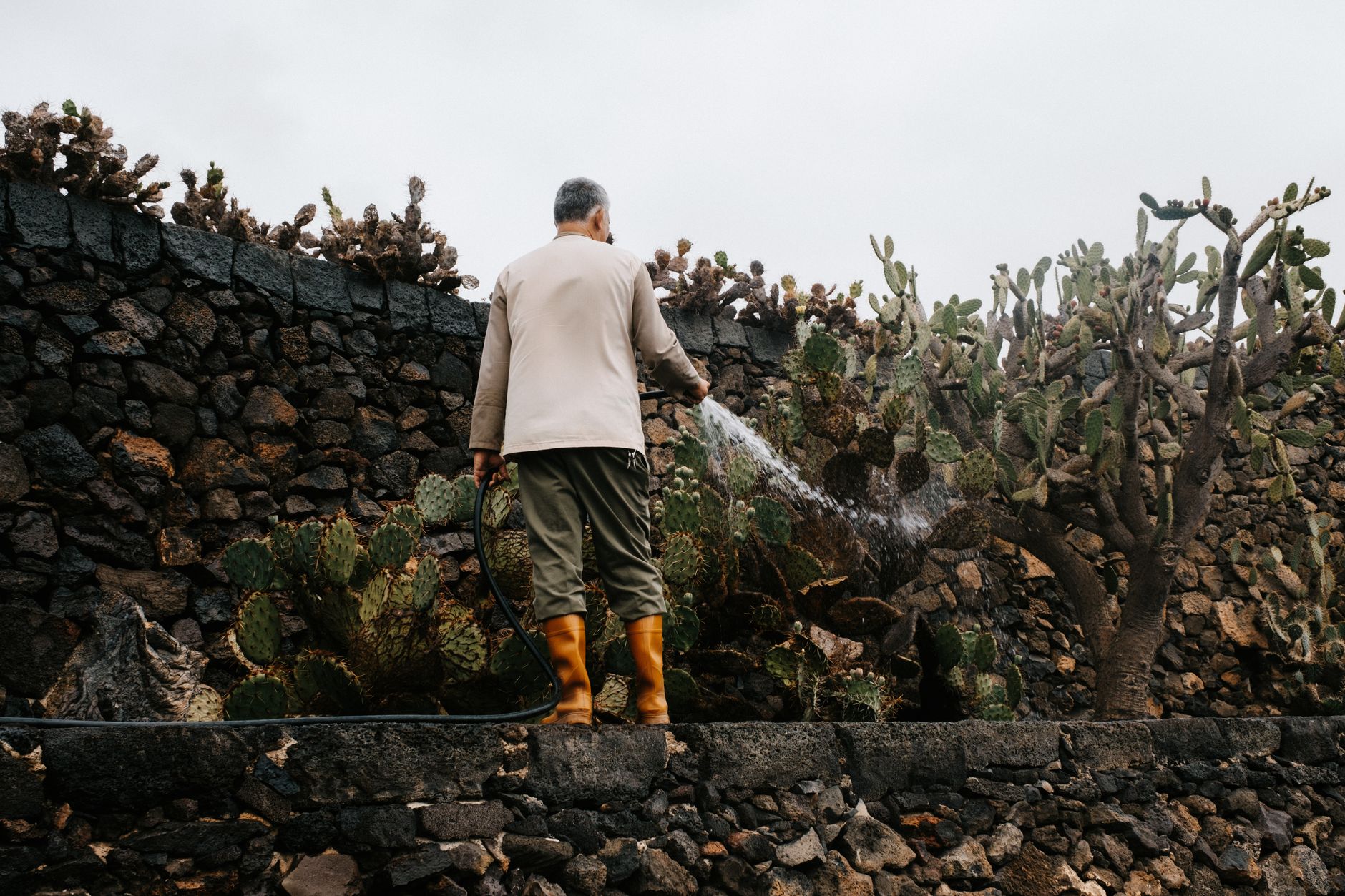
Water consistently, providing about 1-1.5 inches per week, since inconsistent moisture, particularly a dry spell followed by heavy rain or watering, is the leading cause of cabbage heads splitting open once they've reached maturity.
Feed with a balanced or nitrogen-rich fertilizer 3-4 weeks after transplanting to support strong leaf development, which directly feeds the eventual head size, then consider a lower-nitrogen feeding later in the season as heads begin forming.
Mulch around plants to help retain consistent soil moisture and suppress competing weeds, which is especially valuable during the warmer stretches of a spring planting or the establishment period of a summer-started fall crop.
If a head does begin splitting despite your best efforts, harvesting it promptly, even somewhat before full size, prevents further splitting and salvages the head before it becomes unusable or attracts pests and rot into the exposed area.
Protect from Cabbage Worms and Loopers
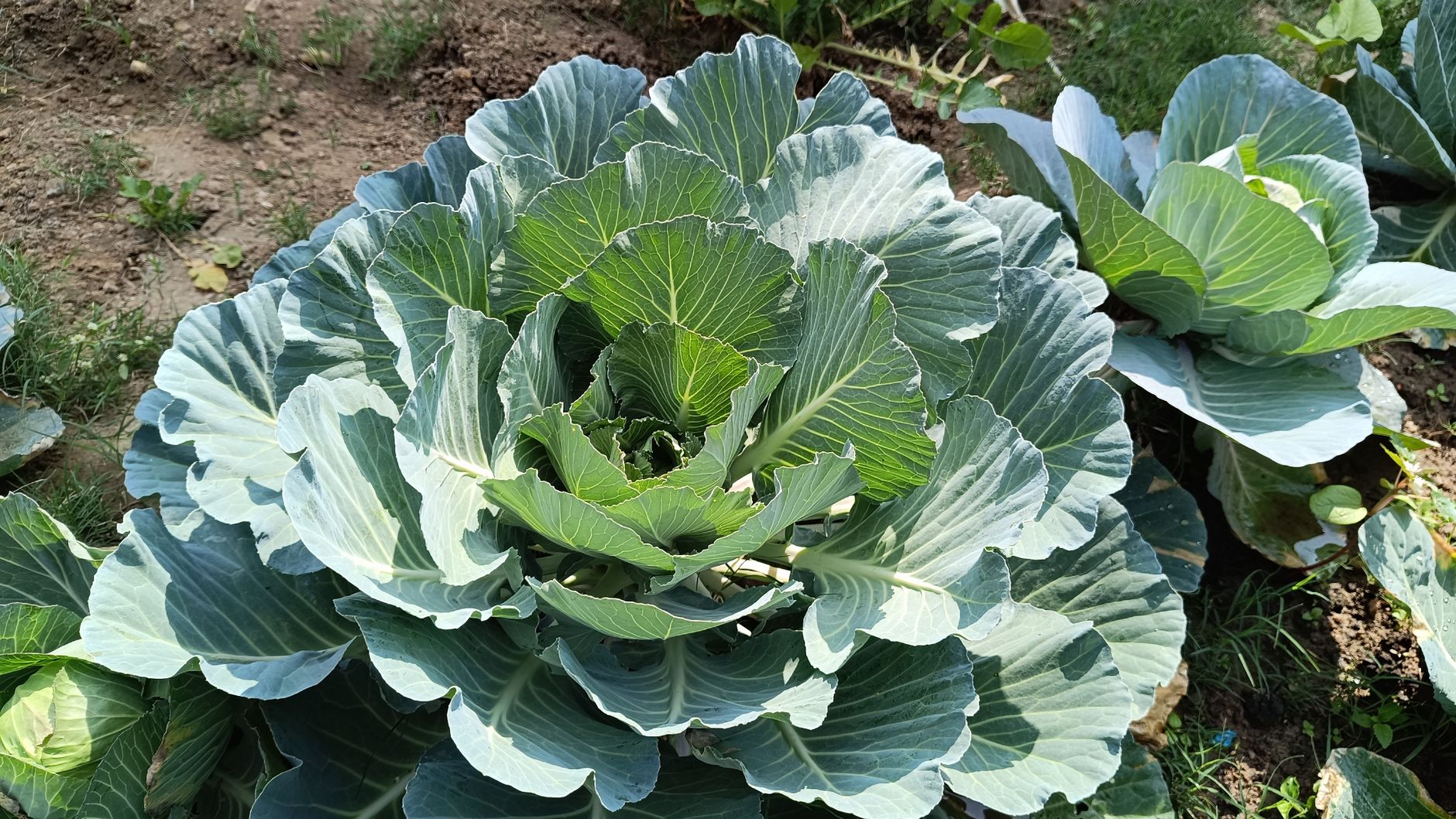
Inspect leaves regularly for cabbage worms and loopers, the larvae of white and brown moths that lay eggs directly on brassica foliage, and handpick visible caterpillars in the early morning or evening when they're most active and easiest to spot.
Row covers installed at transplanting time and left in place until harvest (since cabbage doesn't need pollination the way flowering and fruiting crops do) are one of the most effective preventive measures, physically blocking moths from ever reaching the plants to lay eggs.
Bacillus thuringiensis (Bt), an organic biological pesticide specific to caterpillars, is an effective treatment if worms are already established and row covers weren't used from the start, applied according to product directions.
Check the tightly wrapped outer leaves and the head itself periodically as it develops, since worms can sometimes work their way into the forming head where they're much harder to spot and remove than on exposed outer leaves.
Watch for Cabbage Root Maggots and Aphids

Cabbage root maggots tunnel into roots and the base of the stem, often causing wilting and stunted growth that can be mistaken for water stress at first glance; placing a collar of cardboard or fabric around the stem base at transplanting time helps prevent adult flies from laying eggs near the roots.
Aphids frequently cluster in the tightly wrapped inner leaves where they're difficult to spot and even harder to rinse away once a head is harvested; regular inspection of both outer and inner leaves throughout the season helps catch infestations while they're still manageable.
Rotate cabbage and other brassica family crops to a different garden section each year, ideally on a 2-3 year cycle, which meaningfully reduces the buildup of both pests and soil-borne diseases specific to this plant family over successive seasons.
Clubroot, a soil-borne disease causing swollen, distorted roots and stunted growth, can persist in soil for many years once established; maintaining a proper rotation schedule from the very start is the best long-term prevention, since there's no effective treatment once clubroot is present.
Harvest When Heads Feel Firm and Dense
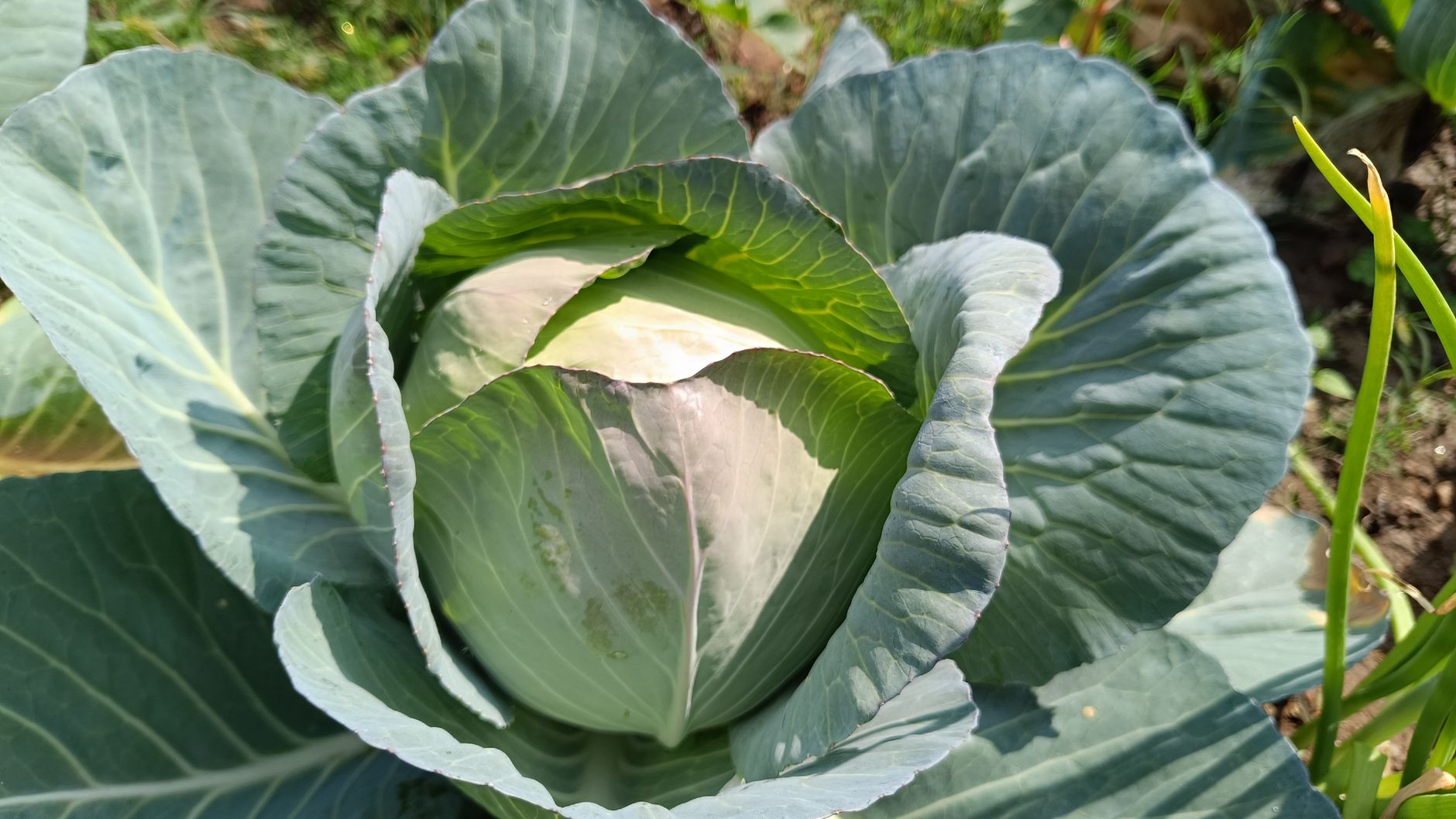
Harvest cabbage once the head feels firm and dense when gently squeezed, rather than soft or loose, typically 60-105 days after transplanting depending on variety, cutting the head at the base with a sharp knife.
Heads that have reached full size but haven't yet been harvested can be left on the plant for a week or two in cool weather without significant quality loss, though prolonged delay increases the risk of splitting, especially after rain.
After cutting the main head, some varieties, similar to broccoli, will produce smaller secondary heads from the remaining stem and root system over the following weeks, offering a modest bonus harvest if the plant is left in the ground.
In regions with mild fall and winter weather, cabbage can often be left in the garden and harvested gradually as needed, since mature heads tolerate cold remarkably well, effectively using the garden itself as extended storage.
Store Cabbage for Long-Term Use

Store whole cabbage heads in the refrigerator, where they typically keep well for several weeks; wrapping loosely in plastic helps retain moisture without trapping excess humidity that can encourage rot.
Late-season and dedicated storage varieties can keep for 2-4 months or longer in a cool, humid root cellar environment around 32-40°F, making them a valuable crop for extending your homegrown harvest well into winter.
Remove any loose or damaged outer leaves before storage, but leave a few protective outer layers intact, since these help shield the tighter inner leaves from moisture loss and minor damage during storage.
Cabbage is also a classic candidate for fermentation into sauerkraut, a traditional preservation method that not only extends usability well beyond fresh storage but also adds beneficial probiotic value to the final product.
Common problems and fixes
| Problem | Likely cause | What to do |
|---|---|---|
| Heads splitting open | Inconsistent watering, particularly heavy rain or watering after a dry spell once the head has reached maturity. | Harvest promptly once splitting begins to salvage the head, and maintain more consistent watering in future plantings. |
| Holes in leaves and stunted growth | Cabbage worms or loopers feeding on foliage. | Handpick visible caterpillars and use row covers from transplanting onward to prevent moths from laying eggs in the first place. |
| Wilting despite adequate soil moisture | Cabbage root maggots damaging roots or the base of the stem. | Use a protective collar around the stem base at transplanting time in future seasons to prevent egg-laying near the roots. |
| Swollen, distorted roots and stunted growth across a whole planting | Clubroot, a persistent soil-borne disease. | There's no effective treatment once established; focus on strict crop rotation going forward and avoid planting brassicas in the affected bed for several years. |
Gardener's checklist
Test what you learned
What is the leading cause of cabbage heads splitting?
Answer: Inconsistent watering
How can you tell if a cabbage head is ready to harvest?
Answer: It feels firm and dense when squeezed
Why are row covers particularly effective for cabbage compared to fruiting crops?
Answer: Cabbage doesn't need pollinator access, so covers can stay on through harvest
What soil-borne disease causes swollen, distorted cabbage roots with no effective treatment?
Answer: Clubroot
Common questions
Why did my cabbage head split open?
Splitting is almost always caused by inconsistent watering, particularly heavy rain or watering following a dry spell once the head has already reached maturity. Harvest split heads promptly to salvage them, and aim for more consistent watering in future plantings.
How long does cabbage take to grow?
This varies significantly by variety, with early types maturing in as little as 60-70 days from transplanting, while late-season storage varieties can take 90-105 days or more to reach full size.
Is spring or fall better for growing cabbage?
Many experienced gardeners prefer fall plantings, since the crop matures as temperatures cool rather than rise, which tends to produce sweeter, more reliably formed heads with better storage qualities than a spring crop rushing to beat summer heat.
Can cabbage tolerate frost?
Yes, cabbage tolerates frost remarkably well once established, including light freezes, making it one of the more cold-hardy common garden vegetables, well-suited to both very early spring planting and extended fall harvests.
Cabbage rewards cool-weather timing, consistent watering, and early cabbage worm prevention with dense, flavorful heads that, in the right varieties, can store for months well into winter.
Frequently asked questions
How often should a vegetable garden be watered?
Frequency depends on weather, soil and plant size. Check the soil rather than watering on a rigid schedule.
Is compost enough fertilizer?
Compost improves soil and provides nutrients slowly. Heavy-feeding crops may still need additional feeding.

The Sproutstead Editorial Team
We create clear, practical gardening and homesteading guides designed for real homes and beginner growers.
View author profile →