Start Brussels sprouts seeds indoors in late spring for a fall harvest, since this crop needs a genuinely long season, 90-100 days, and actually improves in flavor after light frost. Space plants 18-24 inches apart, feed and water consistently, remove lower leaves as sprouts develop, and top the plant in late summer to encourage even sprout maturation before harvesting from the bottom up.
What you will need
Time Planting for a Fall Harvest

Brussels sprouts have one of the longest growing seasons among common garden vegetables, typically needing 90-100 days from transplant to harvest, and are almost always grown for a fall harvest rather than a spring one, since the sprouts actually develop the best flavor after exposure to cool, even frosty, conditions.
Start seeds indoors in late spring, typically May in most temperate climates, then transplant outdoors in early-to-mid summer, timing the whole process so the plant reaches maturity as autumn's cool weather arrives.
Count backward from your first expected fall frost using the 90-100 day maturity window, since Brussels sprouts genuinely benefit from maturing right around or after that first light frost rather than racing to finish before it.
This extended timeline surprises many first-time growers who are used to shorter-season brassicas like broccoli; Brussels sprouts simply occupy their garden space for a considerably longer stretch of the growing calendar.
Prepare Fertile Soil and Transplant
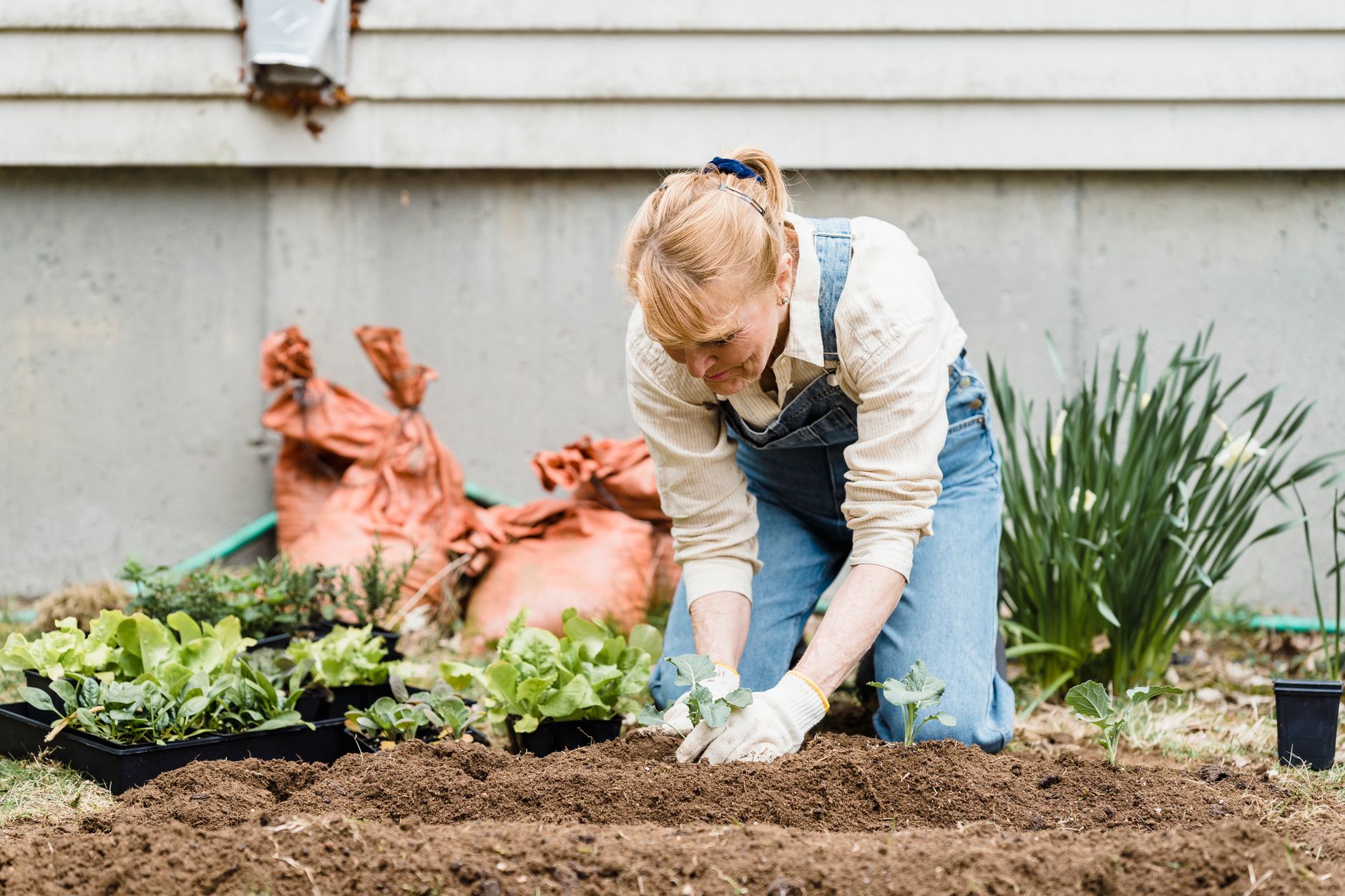
Work 2-3 inches of compost or aged manure into the soil before planting, since Brussels sprouts are genuinely heavy feeders that need sustained soil fertility to support their unusually long growing season and eventual heavy sprout production.
Aim for a soil pH between 6.0 and 7.0, and ensure good drainage, since Brussels sprouts don't tolerate consistently waterlogged roots well over their extended time in the ground.
Space transplants 18-24 inches apart in rows 24-36 inches apart, giving each plant enough room for its tall, substantial mature form, which can reach 2-3 feet or more by harvest time.
Plant transplants slightly deeper than they were growing in their containers, burying the stem up to the first set of true leaves, which provides extra stability for what becomes a notably tall, top-heavy plant by the end of the season.
Water and Feed Through the Extended Season

Water consistently, providing about 1-1.5 inches per week, since Brussels sprouts' long growing season means there's considerable time for both good watering habits and neglect to compound noticeably by harvest.
Feed with a balanced or nitrogen-rich fertilizer 3-4 weeks after transplanting, then continue side-dressing every 4-6 weeks throughout the growing season, since sustained fertility over such an extended period is essential for good sprout development.
Mulch around plants to help maintain consistent soil moisture and suppress weeds, which is especially valuable given how long this bed will need tending compared to faster-maturing crops nearby.
Stake tall plants if needed, particularly in windy locations, since Brussels sprouts become notably top-heavy as they mature, and a snapped or toppled plant late in the season represents a significant loss after months of care.
Remove Lower Leaves as Sprouts Develop

As sprouts begin forming along the lower stem, typically starting in late summer, remove the yellowing lower leaves in that section using pruning shears or by hand, which improves airflow around developing sprouts and reduces disease risk.
Continue this practice progressively up the stalk as the plant grows and lower sprouts develop, always working from the bottom up, since sprouts mature in that same bottom-to-top sequence along the stem.
Removing lower leaves also redirects some of the plant's energy from maintaining that older foliage into continued sprout development, though this benefit is considered secondary to the airflow and disease-prevention advantages.
Leave the top cluster of leaves at the very crown of the plant intact throughout this process, since this actively growing point continues producing new growth and energy for the plant until you're ready for the topping step covered next.
Top the Plant for Even Sprout Development

About 3-4 weeks before your desired final harvest date, or once several rows of sprouts have formed along the lower stem, cut off the top few inches of the plant, including its actively growing central point, a technique called topping.
Topping halts the plant's upward vegetative growth, redirecting its remaining energy into maturing the sprouts already forming along the stem more evenly and often producing somewhat larger sprouts than an untopped plant would.
This step is optional but widely recommended by experienced growers, particularly useful if your growing season is on the shorter side and you want to ensure the sprouts that have already formed reach good size before frost ends the season.
Time topping carefully, since doing it too early can limit the total number of sprouts the plant produces, while doing it too late provides little benefit, so aim for the 3-4 week window before your intended final harvest for the best results.
Manage Cabbage Worms and Aphids

Cabbage worms and loopers, common to all brassicas, chew holes in leaves; row cover fabric installed at transplanting and left in place through much of the season is highly effective prevention, since Brussels sprouts don't need pollinator access.
Aphids can cluster in the tightly wrapped sprouts themselves, making inspection and cleaning more difficult once discovered; regular checking of developing sprouts throughout the season helps catch infestations while they're still manageable.
Given Brussels sprouts' unusually long time in the garden, pest pressure has more opportunity to build up compared to faster-maturing crops, making consistent, ongoing monitoring genuinely more important here than for many other vegetables.
Handpicking visible caterpillars and applying Bacillus thuringiensis (Bt) if worms become established are both effective, low-impact options that don't add unnecessary stress to a crop already investing months of growth into its harvest.
Harvest from the Bottom Up, After Frost If Possible

Harvest sprouts once they reach about 1-1.5 inches in diameter and feel firm when gently squeezed, working from the bottom of the stalk upward, since that's the same sequence in which they naturally mature.
Twist or cut sprouts from the stalk with a sharp knife or pruning shears, and continue checking and harvesting progressively up the stalk over several weeks as more sprouts reach ideal size.
Brussels sprouts genuinely improve in flavor after exposure to a light frost or two, since cold temperatures trigger the plant to convert some stored starches into sugars, reducing the slight bitterness sprouts can have when harvested in still-warm conditions.
In many climates, the entire stalk can be left standing in the garden and harvested gradually over several weeks or even months into winter, tolerating temperatures well below freezing, making Brussels sprouts one of the most cold-hardy vegetables for extending a garden's harvest season.
If a hard freeze threatens to end the season entirely, the whole stalk can be cut and stored in a cool location, sprouts still attached, where they'll keep reasonably well for a couple of weeks, buying time to use the remaining harvest gradually.
Common problems and fixes
| Problem | Likely cause | What to do |
|---|---|---|
| Small, loose sprouts that never fill out well | Insufficient soil fertility over the long growing season, or a season that was too short for full sprout development. | Feed consistently every 4-6 weeks throughout the season, and consider topping the plant to concentrate energy into existing sprouts if your season is running short. |
| Plant falls over or snaps in wind late in the season | The tall, top-heavy mature plant lacking adequate support. | Stake plants, particularly in windy locations, especially once sprouts have begun adding significant weight to the upper stalk. |
| Sprouts taste noticeably bitter | Harvested before any frost exposure, or grown during unusually warm conditions. | Wait for at least a light frost before harvesting if your climate allows, since this reliably improves flavor. |
Gardener's checklist
Test what you learned
Approximately how many days do Brussels sprouts need from transplant to harvest?
Answer: 90-100 days
Why does frost exposure improve Brussels sprouts flavor?
Answer: Cold temperatures convert some stored starches into sugars
In what direction should Brussels sprouts be harvested along the stalk?
Answer: Bottom to top, following maturation order
What does 'topping' a Brussels sprouts plant accomplish?
Answer: It encourages more even sprout maturation by halting upward growth
Common questions
Why do Brussels sprouts take so much longer to grow than other brassicas?
Unlike broccoli or cabbage, which form a single head relatively quickly, Brussels sprouts develop dozens of small sprouts progressively along a tall stalk, a process that genuinely requires more total time, typically 90-100 days from transplant.
Can Brussels sprouts survive frost and winter cold?
Yes, remarkably well; Brussels sprouts tolerate temperatures well below freezing once established, and many gardeners leave the stalk standing in the garden, harvesting sprouts gradually over several weeks or even months into winter.
Do I need to top my Brussels sprouts plant?
It's optional but widely recommended, especially in shorter growing seasons, since topping (removing the growing tip about 3-4 weeks before your intended final harvest) encourages more even, complete development of the sprouts already forming.
Why are my Brussels sprouts small and loose rather than tight and firm?
This is often caused by insufficient soil fertility over the plant's long growing season, or a growing season that was cut short before sprouts had enough time to fully develop. Consistent feeding and, if needed, topping the plant can help.
Brussels sprouts demand more patience than almost any other common vegetable, but timing the harvest around a light frost and using the topping technique both genuinely pay off in flavor and even sprout development after months of care.
Frequently asked questions
How often should a vegetable garden be watered?
Frequency depends on weather, soil and plant size. Check the soil rather than watering on a rigid schedule.
Is compost enough fertilizer?
Compost improves soil and provides nutrients slowly. Heavy-feeding crops may still need additional feeding.

The Sproutstead Editorial Team
We create clear, practical gardening and homesteading guides designed for real homes and beginner growers.
View author profile →