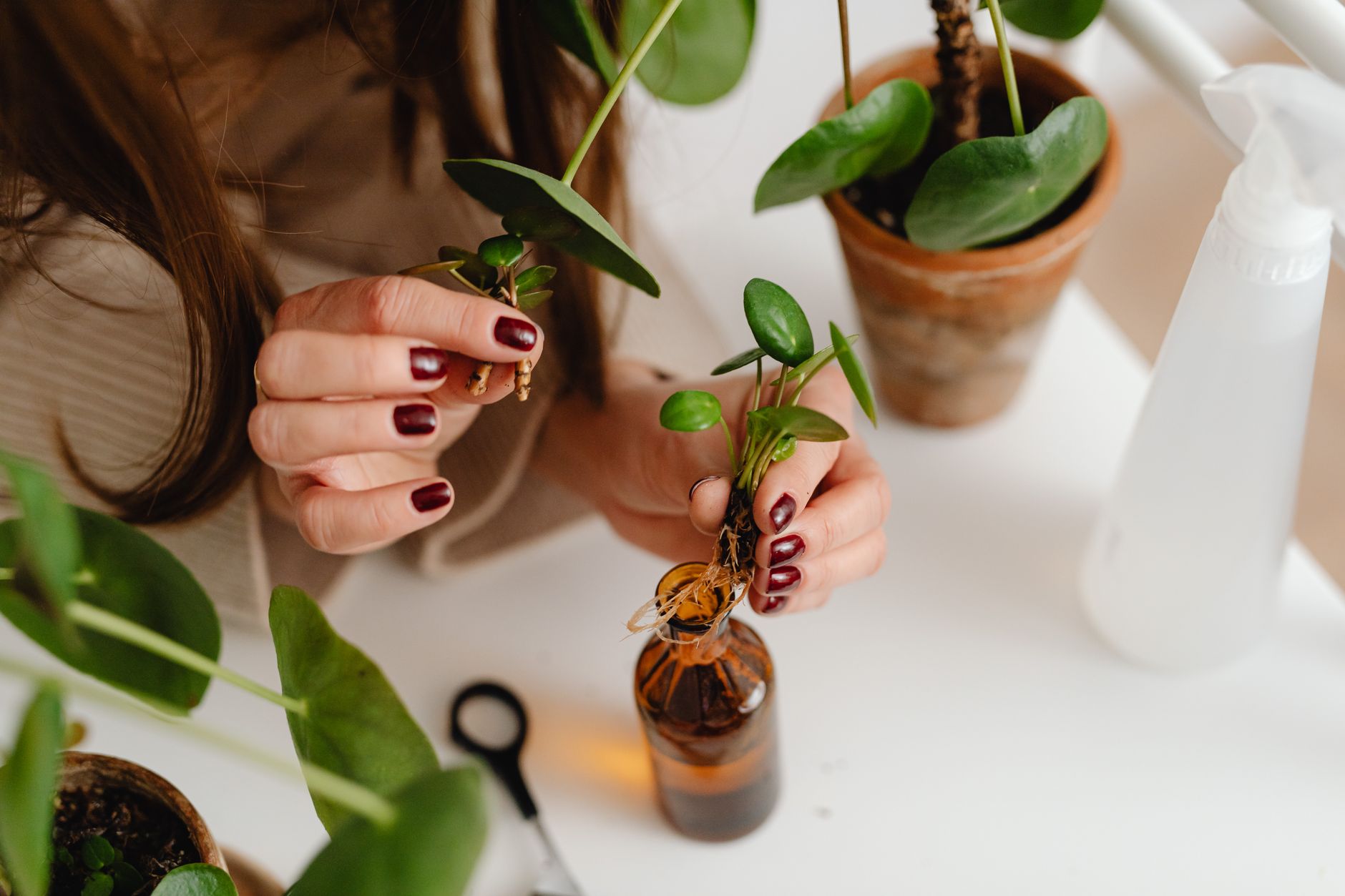
Hostas are best divided in early spring (just as shoots emerge) or early fall (6-8 weeks before the first frost). Dig up the entire plant, shake off excess soil, and use a sharp knife or spade to divide the root ball into sections. Each division should have at least 3-5 shoots (eyes) and a healthy root system. Replant divisions at the same depth they were growing, water thoroughly, and mulch around the plants. Spring divisions root quickly and establish well. Fall divisions should be mulched heavily for winter protection. Dividing hostas every 3-5 years keeps them healthy, prevents overcrowding, and gives you new plants to expand your garden or share with friends.
What you will need
Know When to Divide Hostas

Spring division (best): Divide in early spring when shoots first emerge (about 2-4 inches tall). The plant is actively growing and will establish quickly. Roots grow fast in spring.
Fall division (good): Divide in early fall, about 6-8 weeks before the first frost. This gives the plant time to establish roots before winter.
When not to divide: Avoid dividing during hot summer months. Heat stress can kill divided plants. Also avoid dividing when the plant is blooming.
How often: Divide hostas every 3-5 years. Overcrowded plants have smaller leaves and fewer blooms.
Signs it's time: The plant has grown large and crowded, leaves are smaller than usual, or the center of the plant has died out.
Water the Plant Before Dividing

Why water: Well-hydrated plants experience less transplant shock. Watering also makes the soil easier to work with.
When to water: Water the plant thoroughly 1-2 days before dividing. The soil should be moist but not soggy.
For spring division: If spring rains haven't been consistent, water deeply a day or two before dividing.
For fall division: Ensure the plant is well-hydrated before the ground freezes.
Dig Up the Hosta Plant
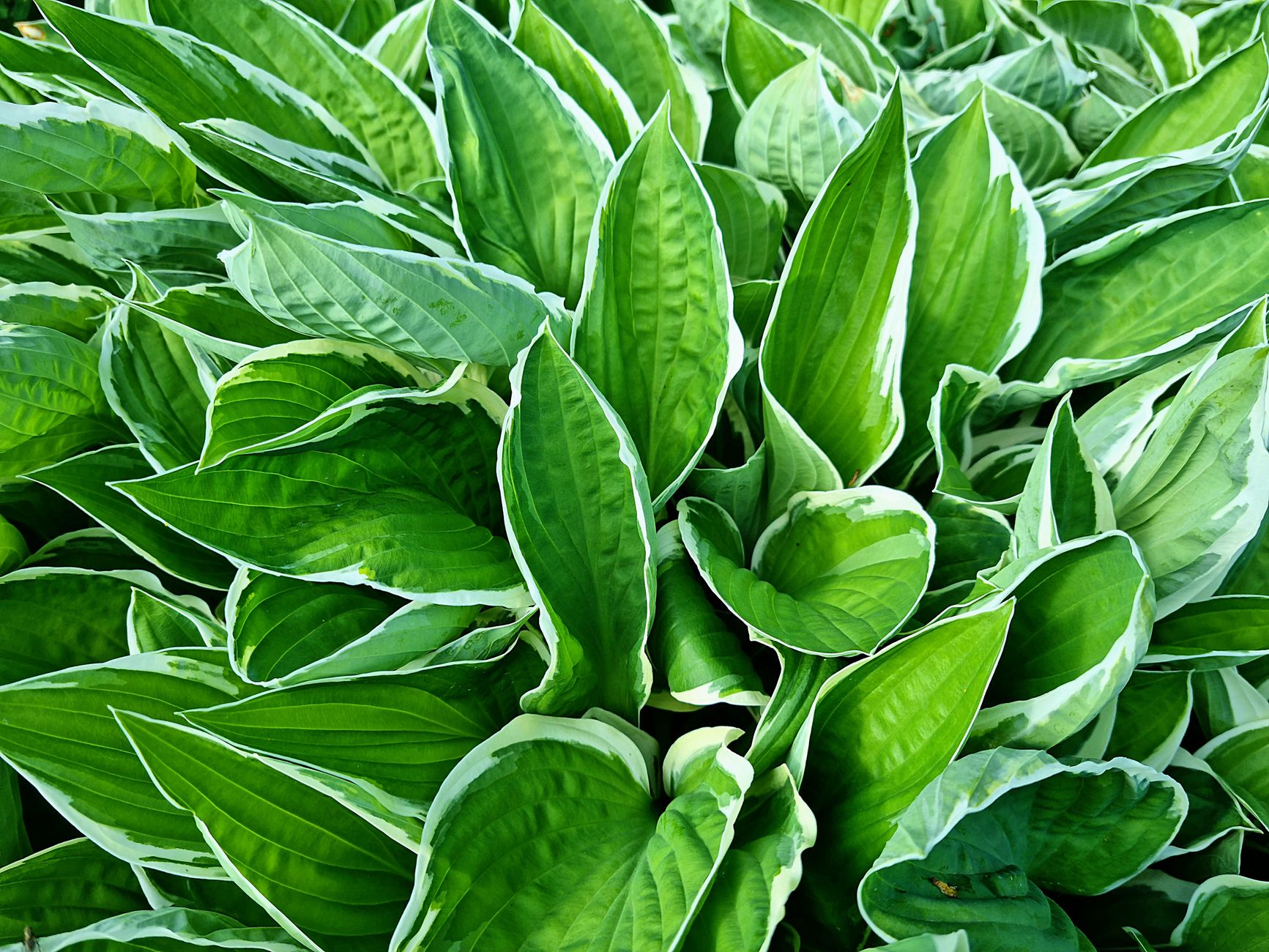
Use a sharp spade: Dig around the plant, about 6-8 inches from the base. Dig deep enough to get under the root ball.
Lift the plant: Gently lift the entire root ball out of the ground. Use a garden fork to loosen the soil if needed.
Work carefully: Hostas have dense, fibrous root systems. Be gentle to avoid breaking too many roots.
For large plants: Large hostas can be heavy. Use a spade to cut through the root ball while it's still in the ground, then lift each section separately.
Prepare the area: Before dividing, have your new planting holes ready so you can replant quickly.
Remove Excess Soil

Shake off soil: Gently shake the root ball to remove loose soil.
Rinse the roots: Use a garden hose to wash away remaining soil. This exposes the crown (where shoots meet roots) and makes division easier.
Why it helps: Clean roots show you exactly where the natural divisions are. It's like seeing the plant's natural structure.
Be gentle: Don't use high water pressure—it can damage the roots.
Let it soak: If the soil is very compacted, soak the root ball in a bucket of water for 15-20 minutes to loosen the soil.
Divide the Root Ball

Look for natural divisions: Hostas often have natural separation points in the root ball. Follow these lines for the easiest division.
Use a sharp knife: Use a sharp knife, pruning saw, or spade to cut the root ball into sections. For smaller plants, you can sometimes pull sections apart by hand.
Minimum size: Each division should have at least 3-5 shoots (eyes) and a healthy root system. Smaller divisions may survive but take longer to establish.
Large vs. small: For faster results, make fewer, larger divisions. For more plants, make more, smaller divisions (but they'll take longer to establish).
Trim damaged roots: Cut off any broken, damaged, or mushy roots with clean shears.
For giant hostas: Use two spades back-to-back to split the root ball. You may need a saw for very large plants.
Replant the Divisions

Prepare the planting hole: Dig a hole twice as wide as the root ball and the same depth.
Amend the soil: Mix compost or organic matter into the soil. Hostas love rich, well-draining soil.
Planting depth: Plant the division at the same depth it was growing before. The crown should be just at or slightly above soil level.
Backfill: Fill the hole with soil, gently firming it around the roots. Water as you backfill to eliminate air pockets.
Spacing: Space divisions according to mature plant size: small hostas 12-18 inches apart, large hostas 24-36 inches apart.
Water thoroughly: Water deeply after planting to settle the soil around the roots.
Care for New Divisions

Watering: Water deeply 2-3 times per week for the first 2-3 weeks. Keep the soil consistently moist but not waterlogged.
Mulching: Apply 2-3 inches of mulch (straw, wood chips, or shredded leaves) around the plant. This retains moisture and regulates soil temperature.
Fertilizing: Wait 4-6 weeks before fertilizing. Then use a balanced, slow-release fertilizer formulated for perennials.
Sun protection: If dividing in spring, protect plants from strong afternoon sun for the first few weeks. Hostas prefer shade.
Bloom reduction: Divisions may not bloom in the first year—they're putting energy into root growth.
Winter protection: For fall divisions, apply a thick layer of mulch (4-6 inches) to protect roots from freeze-thaw cycles.
Troubleshoot Common Division Problems

Problem: Divisions are wilting. Not enough water. Water deeply and consistently. Provide temporary shade if the weather is hot.
Problem: Leaves turning yellow. Overwatering or poor drainage. Reduce watering. Ensure soil drains well.
Problem: Divisions not growing. Timing was wrong (too late in season). Give them time—some hostas take a full season to establish.
Problem: Crown rot. Planting too deep. The crown should be at or slightly above soil level. In wet soil, raised planting helps.
Problem: Slug damage. Hostas are slug magnets. Use slug bait, beer traps, or diatomaceous earth to protect new divisions.
Common problems and fixes
| Problem | Likely cause | What to do |
|---|---|---|
| Divisions are wilting | Not enough water or too much sun. | Water deeply. Provide temporary shade. |
| Leaves turning yellow | Overwatering or poor drainage. | Reduce watering. Improve drainage. Raised beds help. |
| Divisions not growing after several weeks | Timing wrong or poor root development. | Be patient—some hostas take a full season. Ensure consistent moisture. |
| Crown rot | Planting too deep. | Replant with crown at soil level. Improve drainage. |
| Slug damage on new divisions | Slugs love new growth. | Use slug bait, beer traps, or diatomaceous earth. |
Gardener's checklist
Test what you learned
What is the best time to divide hostas?
Answer: Early spring (shoots emerging) or early fall
How many shoots (eyes) should each division have?
Answer: 3-5
How often should hostas be divided?
Answer: Every 3-5 years
What is the most common cause of crown rot in divided hostas?
Answer: Planting too deep
Common questions
Can you divide hostas in summer?
It's not recommended. Summer heat causes stress and divisions struggle to establish. Divide in spring or fall instead.
Can you divide hostas while they're blooming?
It's better to wait until after blooming. Dividing while blooming diverts energy from flowers to root growth.
How long does it take for divided hostas to establish?
Spring divisions establish in 4-6 weeks. Fall divisions may take until the following spring to show significant growth.
Will divided hostas bloom the same year?
Usually not. Divisions put energy into root and leaf growth in the first year. They typically bloom in the second year.
Can I divide a small hosta?
Wait until the plant is at least 3-4 years old and has multiple shoots. Small plants may not survive division.
Dividing hostas is one of the easiest and most rewarding ways to propagate these beautiful shade perennials. The best time is early spring when shoots first emerge or early fall before the ground freezes. Each division should have at least 3-5 shoots (eyes) and a healthy root system. Plant divisions at the same depth they were growing, water thoroughly, and mulch around them. With proper aftercare, your divisions will establish quickly and grow into beautiful, healthy plants that will reward you for years to come. Dividing every 3-5 years keeps your hostas vigorous and gives you plenty of new plants to expand your garden or share with friends.
Frequently asked questions
How often should a vegetable garden be watered?
Frequency depends on weather, soil and plant size. Check the soil rather than watering on a rigid schedule.
Is compost enough fertilizer?
Compost improves soil and provides nutrients slowly. Heavy-feeding crops may still need additional feeding.

The Sproutstead Editorial Team
We create clear, practical gardening and homesteading guides designed for real homes and beginner growers.
View author profile →