
Peace lilies are elegant, air-purifying houseplants that produce beautiful white spathe flowers. They thrive in low to medium indirect light. Water when the top inch of soil feels dry. Peace lilies are dramatic when they need water — the leaves will droop, making it easy to know when to water. Use well-draining potting mix and a pot with drainage holes. Fertilize every 6-8 weeks during spring and summer. Peace lilies prefer warm temperatures (65-80°F) and moderate humidity. They are toxic to cats and dogs, so keep them out of reach of pets. With proper care, peace lilies bloom repeatedly and live for many years.
What you will need
Understand Peace Lily Basics
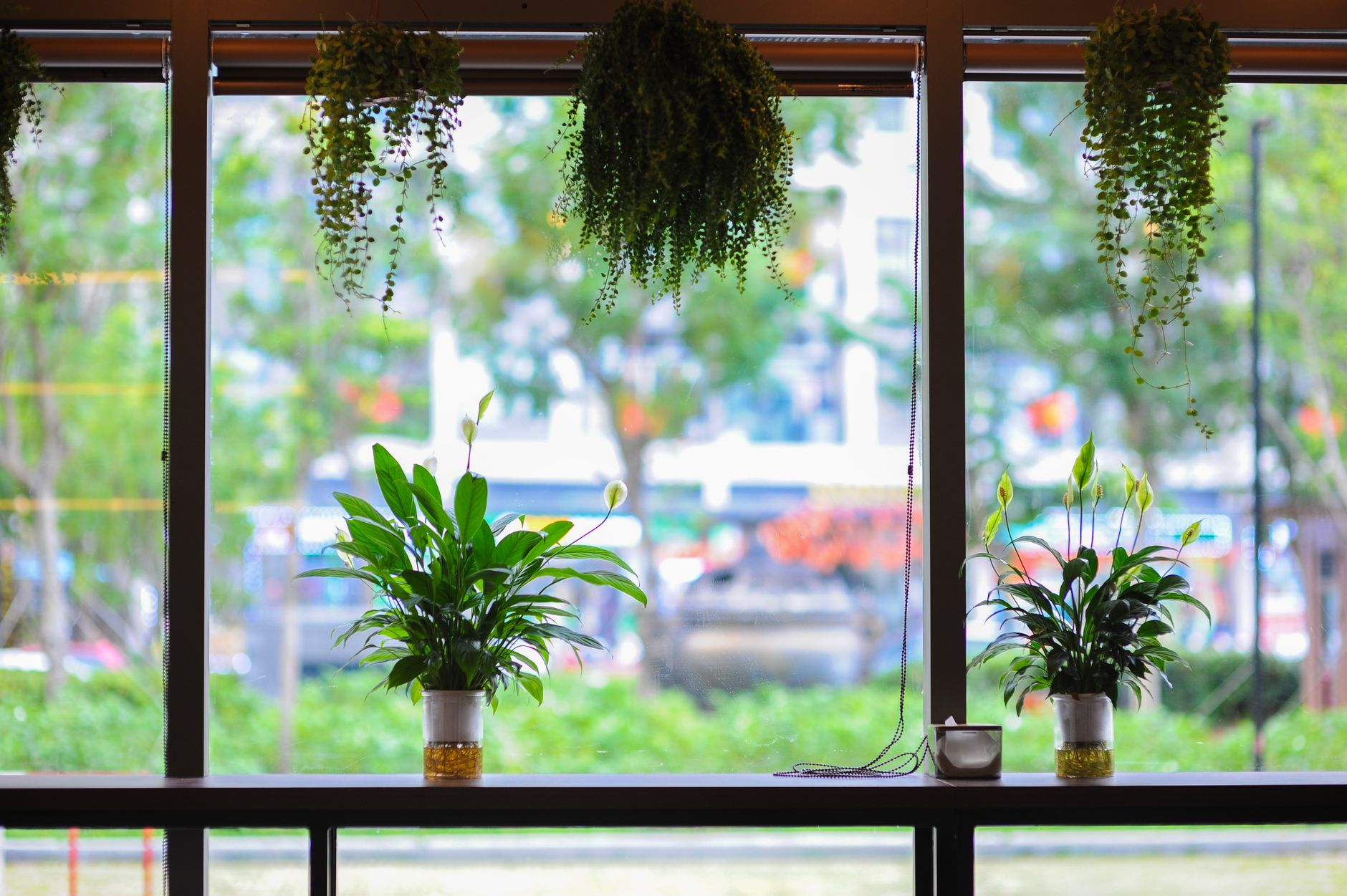
Peace lily is a tropical plant native to Central and South America. It is known for its dark green, glossy leaves and elegant white spathe flowers that resemble a white flag of peace.
Peace lily is one of the best air-purifying plants. It removes toxins like formaldehyde, benzene, and ammonia from the air, making it excellent for homes and offices.
Peace lily is not a true lily. It belongs to the Araceae family and is closely related to the philodendron and pothos.
Peace lily is a low-maintenance plant that tolerates low light and neglect. It is perfect for beginners and for spaces with limited natural light.
Peace lily is toxic to cats and dogs. The plant contains calcium oxalate crystals that can cause oral irritation, drooling, and vomiting if ingested. Keep it out of reach of pets.
Provide the Right Light
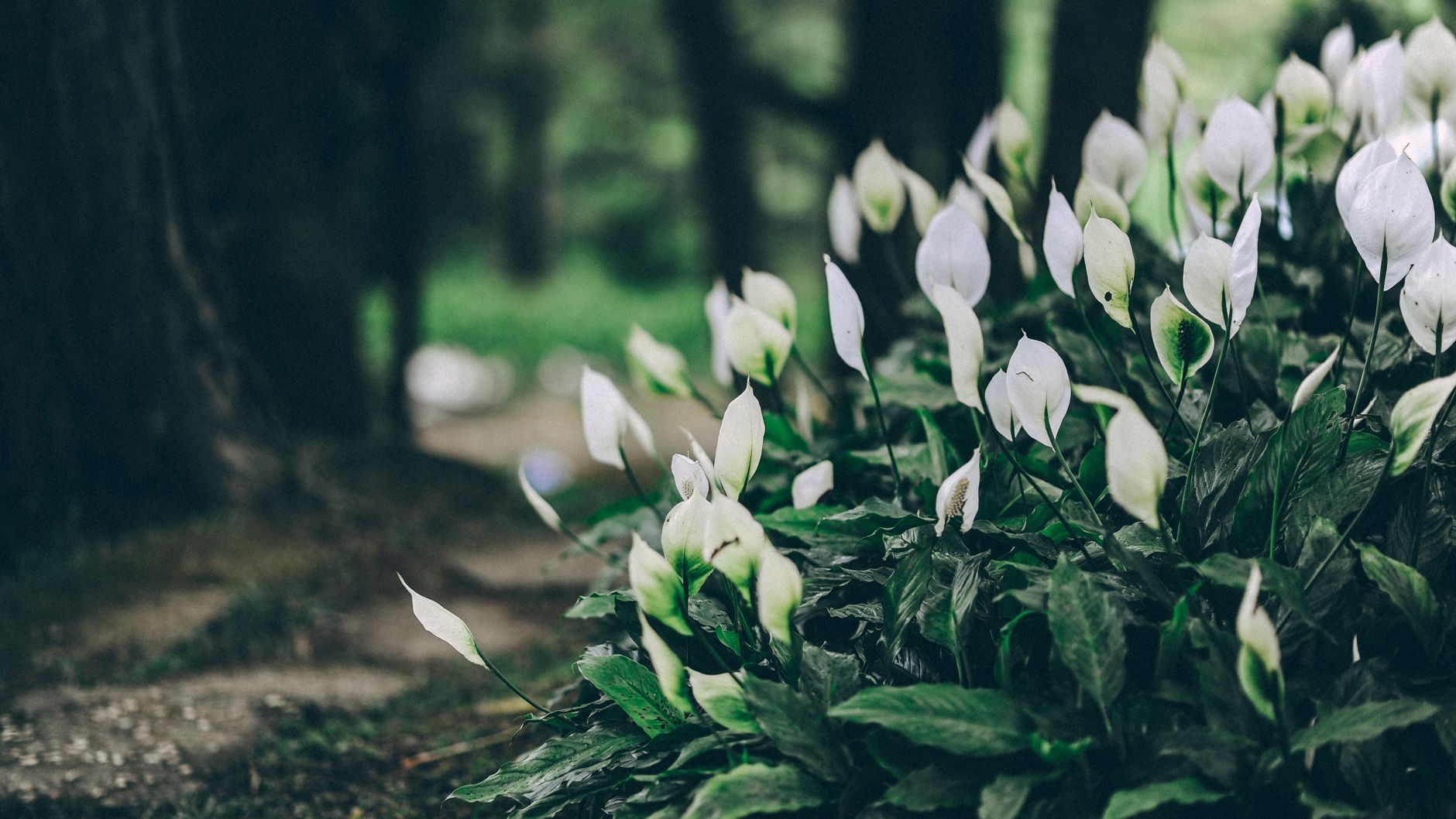
Peace lilies prefer low to medium indirect light. They are one of the few houseplants that can bloom in low light conditions.
A north- or east-facing window is ideal. The plant will thrive in bright, filtered light but can also survive in dimly lit rooms.
Avoid direct sunlight. Direct sun can scorch the leaves, causing brown spots and yellowing. If the leaves turn yellow, it may be a sign of too much light.
In very low light, peace lilies may not bloom, but they will still remain healthy with beautiful green foliage.
If the plant is not blooming, move it to a slightly brighter location. Peace lilies need bright, indirect light to produce flowers.
Rotate the plant occasionally to ensure even growth on all sides.
Water Correctly
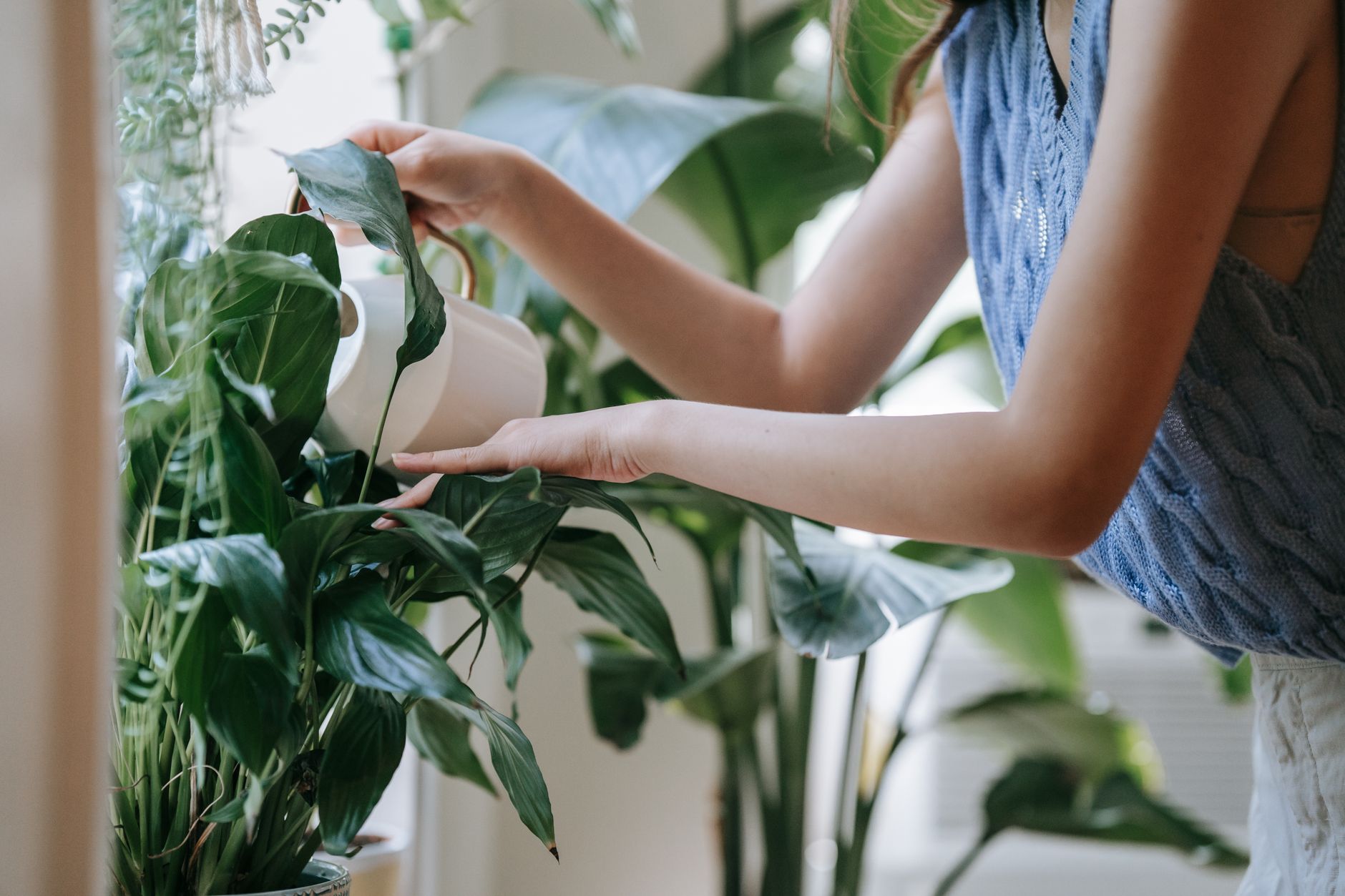
Water peace lilies when the top inch of soil feels dry. Insert your finger into the soil to check moisture.
Peace lilies are dramatic when they need water. The leaves will droop and look sad. This is a clear sign that it is time to water.
Water thoroughly until water drains from the bottom of the pot. Allow the water to drain completely. Do not let the plant sit in standing water because this can cause root rot.
Do not overwater. Overwatering causes root rot and yellowing leaves. It is better to underwater than overwater.
Use room temperature water. Cold water can shock the roots and cause leaf drop.
Reduce watering in winter when growth slows down. The plant uses less water in cooler months.
Provide Humidity
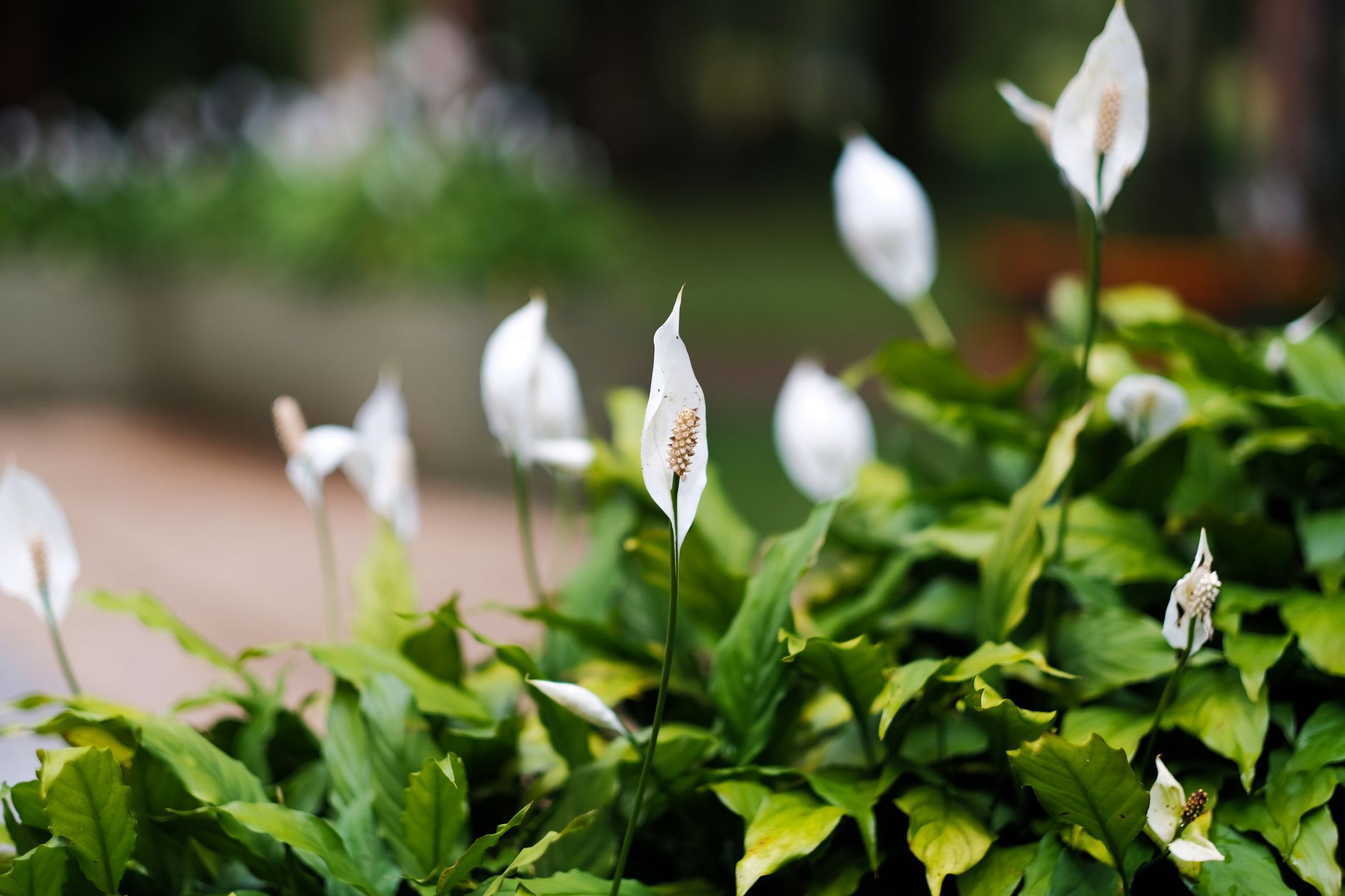
Peace lilies prefer moderate to high humidity. They are tropical plants that naturally grow in humid environments.
Mist the leaves regularly with room temperature water. Mist every 2-3 days, especially in dry winter months.
Place the pot on a tray filled with pebbles and water. The evaporation creates humidity around the plant. Ensure the pot is not sitting directly in the water.
Group plants together. A cluster of plants creates a microclimate with higher humidity.
Use a humidifier in very dry rooms. This benefits not only the peace lily but other houseplants as well.
Brown leaf tips are a sign of low humidity. If you see brown tips, increase humidity by misting more frequently.
Fertilize Peace Lilies
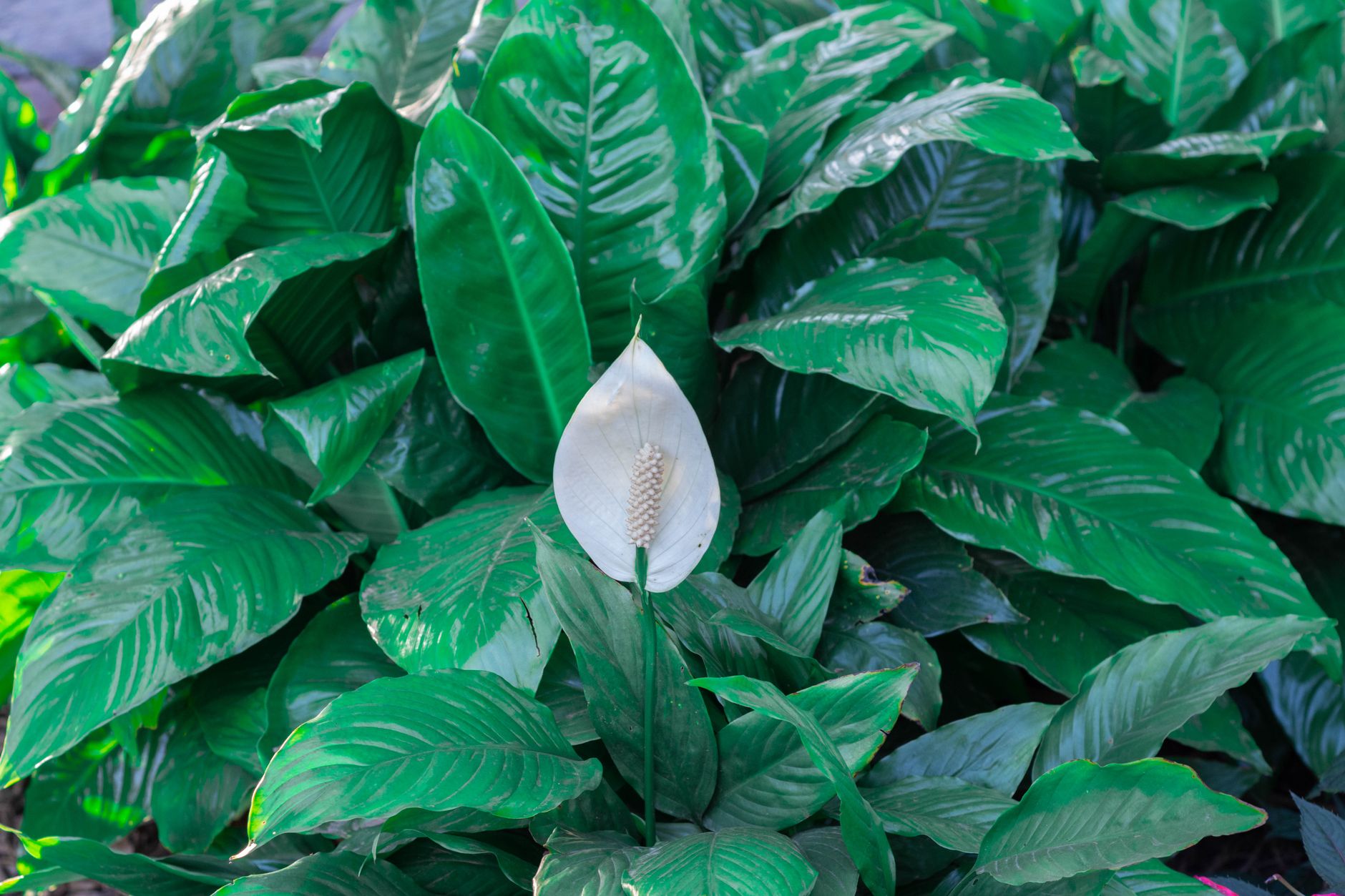
Fertilize peace lilies every 6-8 weeks during spring and summer. Use a balanced liquid fertilizer like 20-20-20.
Dilute the fertilizer to half the recommended strength. Peace lilies are sensitive to chemical burns from over-fertilizing.
Do not fertilize in winter. The plant is dormant in cooler months and does not need extra nutrients.
If your peace lily is not blooming, a little extra phosphorus can help. Switch to a fertilizer with a higher middle number (e.g., 15-30-15).
Stop fertilizing if you see brown leaf tips or white salt buildup on the soil surface. This indicates over-fertilization.
Repot Peace Lilies

Peace lilies are root-bound plants. They like to be slightly root-bound but need repotting every 1-2 years.
Signs that your peace lily needs repotting include: roots growing out of drainage holes, stunted growth, yellowing leaves, or the plant drying out quickly.
Choose a pot that is 1-2 inches larger in diameter than the current pot. Use a pot with drainage holes.
Use a well-draining peat-based potting mix. Peace lilies prefer soil that retains some moisture but drains well.
Repot in spring or early summer during the active growing season.
After repotting, water thoroughly and place in bright, indirect light. Do not fertilize for 4-6 weeks.
Encourage Blooming
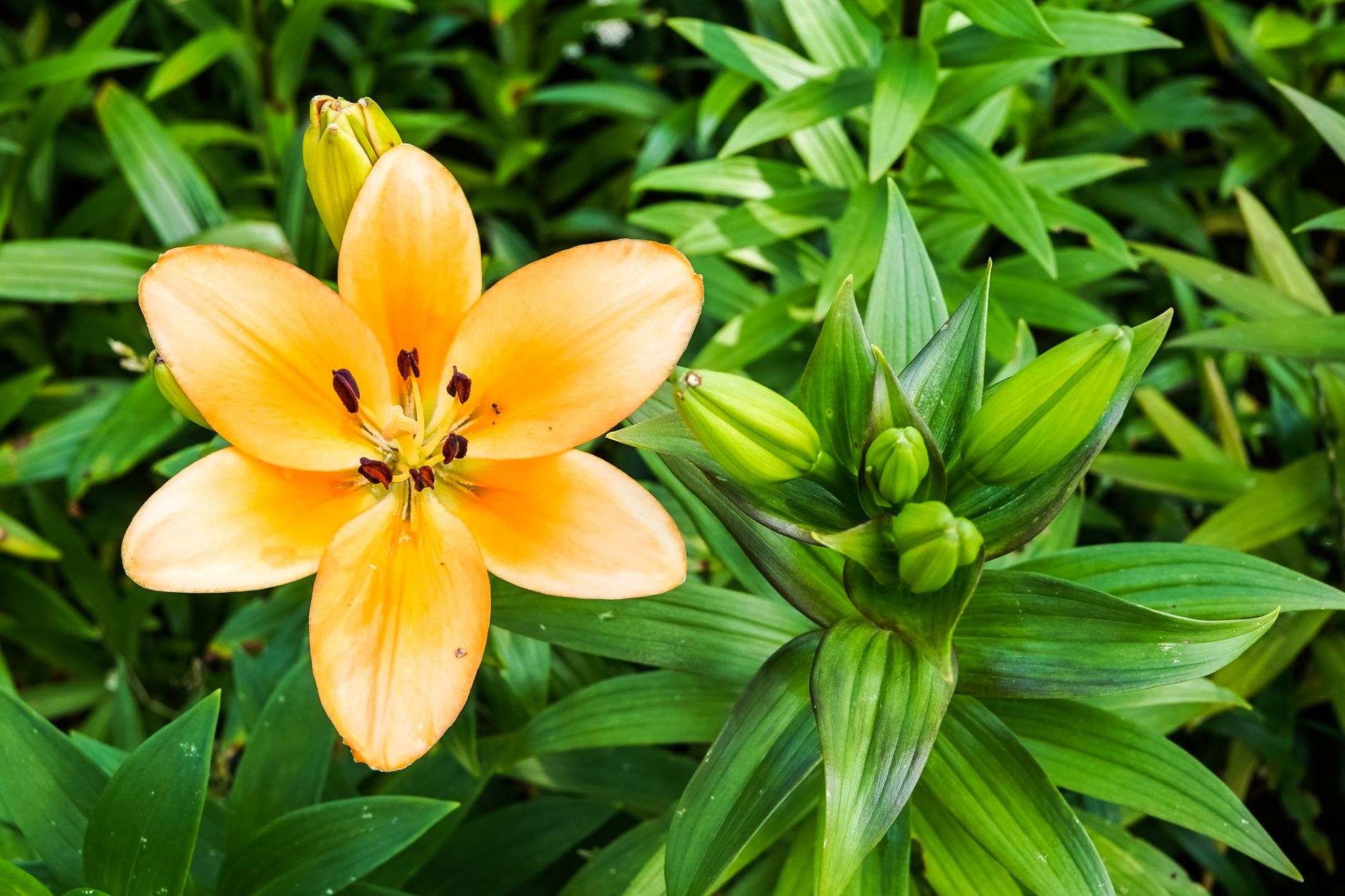
Peace lilies bloom in spring and summer with the right conditions. They produce white spathe flowers that can last for weeks.
Provide bright, indirect light. Peace lilies need good light to produce flowers. Low light may result in no blooms.
Fertilize regularly during the growing season. A balanced fertilizer encourages blooming.
Peace lilies may need a rest period. If the plant has not bloomed in a while, move it to a brighter location and fertilize more regularly.
Older plants bloom more prolifically than younger plants. Be patient with younger peace lilies.
If the plant blooms, remove spent flowers to encourage more blooms.
Troubleshoot Common Problems
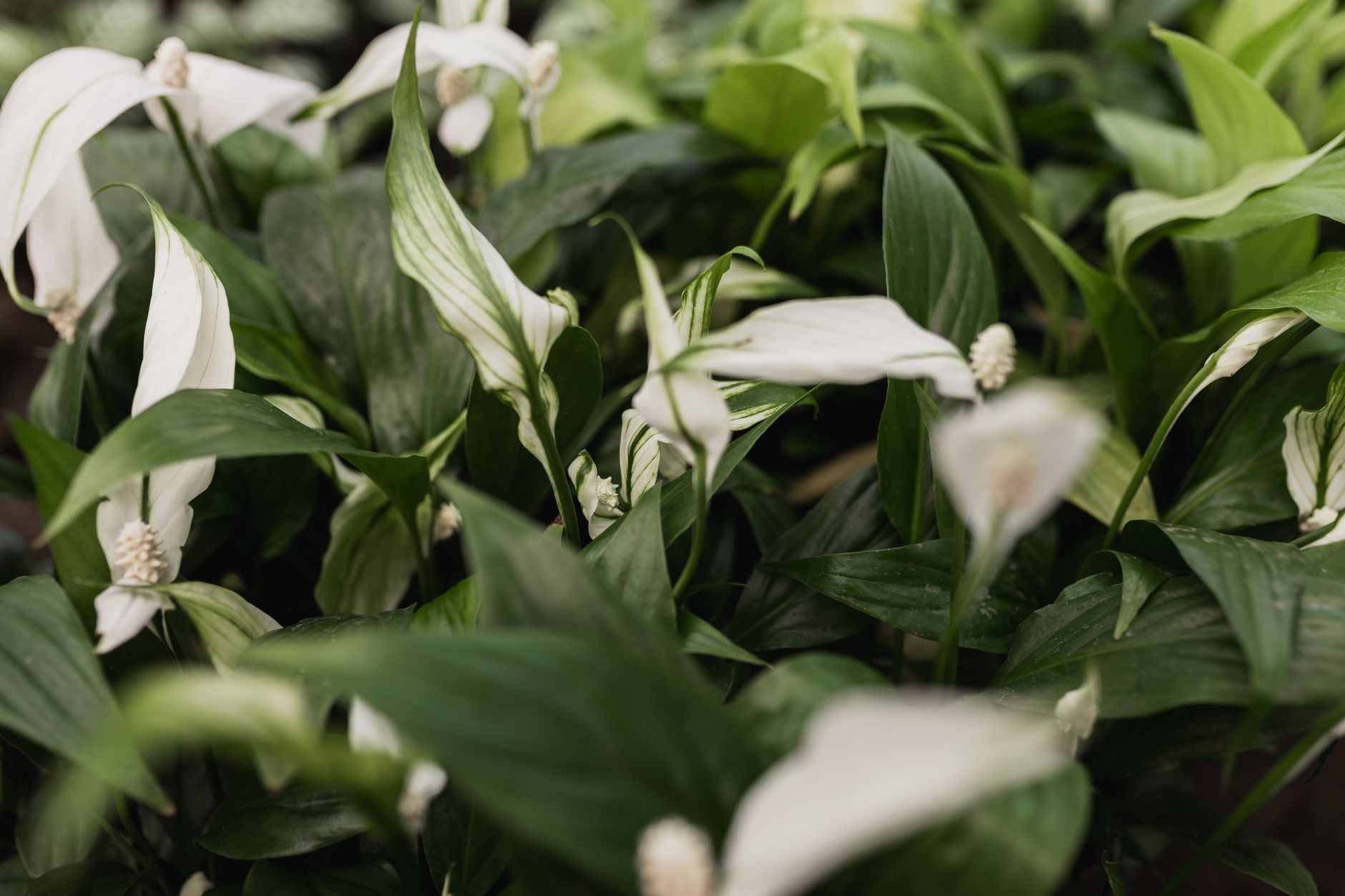
Brown leaf tips are caused by low humidity, under-watering, or over-fertilizing. Increase humidity, water consistently, and reduce fertilizer.
Yellowing leaves can be caused by overwatering, underwatering, or too much light. Check the soil moisture and adjust watering. Move to a location with less light.
Drooping leaves indicate the plant needs water. Peace lilies are dramatic and will perk up within a few hours of watering.
No blooms can be caused by insufficient light or lack of fertilizer. Move to a brighter location and fertilize regularly.
Root rot is caused by overwatering. If the soil is soggy and the plant is wilting, remove the plant from the pot, trim rotten roots, and repot in fresh, dry soil.
Pests like spider mites and mealybugs can attack peace lilies. Wipe leaves with rubbing alcohol or use insecticidal soap.
Common problems and fixes
| Problem | Likely cause | What to do |
|---|---|---|
| Leaves are drooping. | The plant needs water. | Water thoroughly. The plant will perk up within a few hours. |
| Brown leaf tips. | Low humidity, under-watering, or over-fertilizing. | Increase humidity. Water consistently. Reduce fertilizer. |
| Leaves are turning yellow. | Overwatering or too much light. | Reduce watering. Move to a location with indirect light. |
| Plant is not blooming. | Insufficient light or lack of fertilizer. | Move to brighter indirect light. Fertilize during growing season. |
Gardener's checklist
Test what you learned
What is the light requirement for a peace lily?
Answer: Low to medium indirect light
When should you water a peace lily?
Answer: When the top inch of soil feels dry
What is a common sign that a peace lily needs water?
Answer: Drooping leaves
Are peace lilies toxic to pets?
Answer: Yes
Common questions
How often should I water my peace lily?
Water when the top inch of soil feels dry. Insert your finger into the soil to check. In general, this is every 1-2 weeks, depending on the temperature, humidity, and pot size.
Why are my peace lily leaves turning brown?
Brown leaf tips are caused by low humidity, under-watering, or over-fertilizing. Increase humidity, water consistently, and reduce fertilizer.
How do I get my peace lily to bloom?
Provide bright, indirect light, fertilize regularly during spring and summer, and be patient. Peace lilies bloom when they have enough light and nutrients.
Can peace lilies survive in low light?
Yes. Peace lilies are one of the few houseplants that can survive and even bloom in low light. They will not bloom as prolifically, but they will remain healthy.
Why is my peace lily drooping?
Drooping leaves are a sign that the plant needs water. Peace lilies are dramatic and droop when they are thirsty. Water thoroughly and the leaves will perk up within a few hours.
Peace lilies are elegant, air-purifying houseplants that are easy to care for and bloom beautifully. They thrive in low to medium indirect light and prefer consistent moisture. Water when the top inch of soil feels dry, and mist leaves regularly for humidity. Fertilize every 6-8 weeks in spring and summer to encourage blooming. Repot every 1-2 years in fresh potting mix. Peace lilies are toxic to cats and dogs, so keep them out of reach of pets. With proper care, peace lilies will reward you with gorgeous dark green foliage and elegant white blooms for years to come.
Frequently asked questions
How often should a vegetable garden be watered?
Frequency depends on weather, soil and plant size. Check the soil rather than watering on a rigid schedule.
Is compost enough fertilizer?
Compost improves soil and provides nutrients slowly. Heavy-feeding crops may still need additional feeding.

The Sproutstead Editorial Team
We create clear, practical gardening and homesteading guides designed for real homes and beginner growers.
View author profile →

