
For seed starting, you need grow lights that provide the right spectrum and intensity. LED or fluorescent shop lights (6500K, cool white) work well for seedlings. T5 or T8 fluorescent lights are affordable and effective. LED lights are more energy-efficient and longer-lasting. Place lights 2-4 inches above the seedlings and run them for 12-16 hours daily. A timer makes this easy. Avoid incandescent bulbs—they produce too much heat and the wrong spectrum. The key is providing enough light intensity close to the seedlings without burning them. Good grow lights prevent seedlings from becoming leggy and produce strong, stocky plants ready for transplant.
What you will need
Understand Why Grow Lights Are Essential
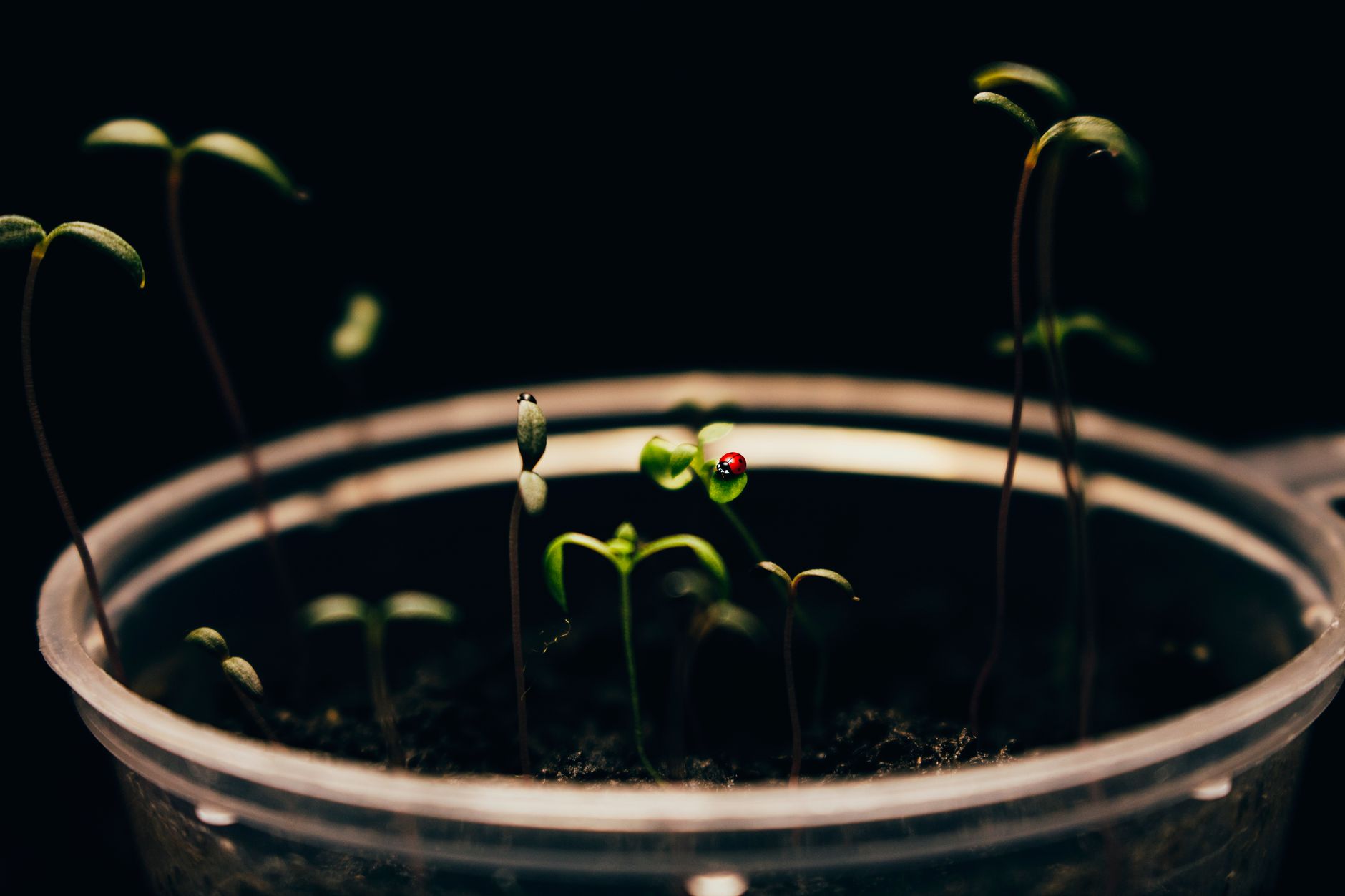
Natural light is often insufficient: Even a south-facing window doesn't provide enough light intensity for healthy seedlings in early spring. Days are short and often cloudy.
Leggy seedlings: Without enough light, seedlings stretch toward the light source. This results in long, thin, weak stems that can't support the plant.
Pale color: Insufficient light causes seedlings to become pale or yellow instead of deep green.
Why grow lights: Grow lights provide consistent, high-intensity light that mimics the sun. This produces short, stocky, deep-green seedlings with strong stems.
The result: Healthy seedlings that transplant well and grow into productive plants.
Choose the Right Type of Grow Light
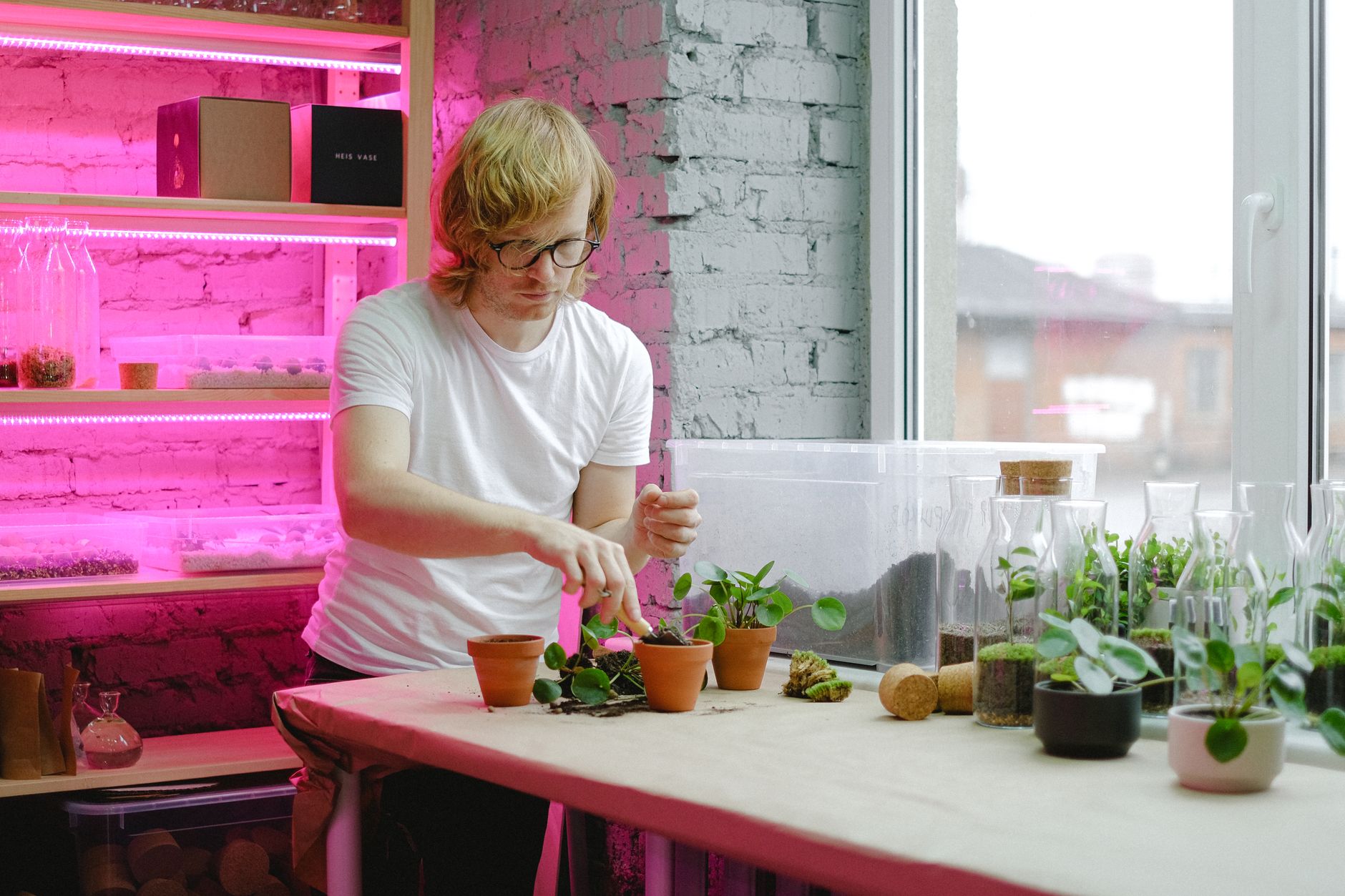
LED Grow Lights: Most energy-efficient, longest-lasting (25,000-50,000 hours), produce low heat. Can be more expensive upfront but save money over time. Full-spectrum LED lights are excellent for seedlings.
Fluorescent (T5 or T8): Affordable and effective. T5 lights are more efficient than T8. Cool white (6500K) is best for seedlings. Good for beginners on a budget.
Shop Lights: Standard fluorescent shop lights (T8) work well for seedlings. Use cool white bulbs (6500K). Cheap and widely available.
Incandescent: NOT recommended. They produce too much heat and the wrong spectrum (too much red, not enough blue). Seedlings become leggy.
Which is best for beginners: A 2-foot or 4-foot LED grow light or fluorescent shop light (6500K) is a great starting point. LEDs are more energy-efficient long-term.
Understand Light Spectrum: 6500K (Cool White)
Blue spectrum (4000K-6500K): Promotes vegetative growth—stems, leaves, and compact plant structure. This is what seedlings need most.
Red spectrum (2700K-3000K): Promotes flowering and fruiting. Not needed for seedlings, but useful for mature plants.
Full spectrum (3000K-6500K): Covers both blue and red wavelengths. Good for all growth stages, but more expensive.
6500K (cool white): The ideal spectrum for seedlings. Promotes compact, stocky growth with deep green leaves.
Color temperature: Measured in Kelvin (K). 6500K is considered daylight/cool white. Lower numbers (2700K) are warm/red, higher numbers (6500K) are cool/blue.
What to look for: When buying bulbs, look for 6500K or 'cool white' on the packaging.
Set Up Your Grow Lights Correctly
Height: Position lights 2-4 inches above the seedlings. This provides enough intensity without burning.
Adjustability: Use chains, ropes, or adjustable hangers so you can raise the lights as seedlings grow.
Coverage: Ensure the lights cover your entire growing area. Use multiple lights for larger setups.
Reflective surfaces: Place reflective material (white paint, Mylar, or foil) around the growing area to maximize light.
Heat management: LED lights produce minimal heat. Fluorescent lights produce some heat—ensure good air circulation.
Check regularly: As seedlings grow, raise the lights to maintain the 2-4 inch distance.
Set the Right Light Duration
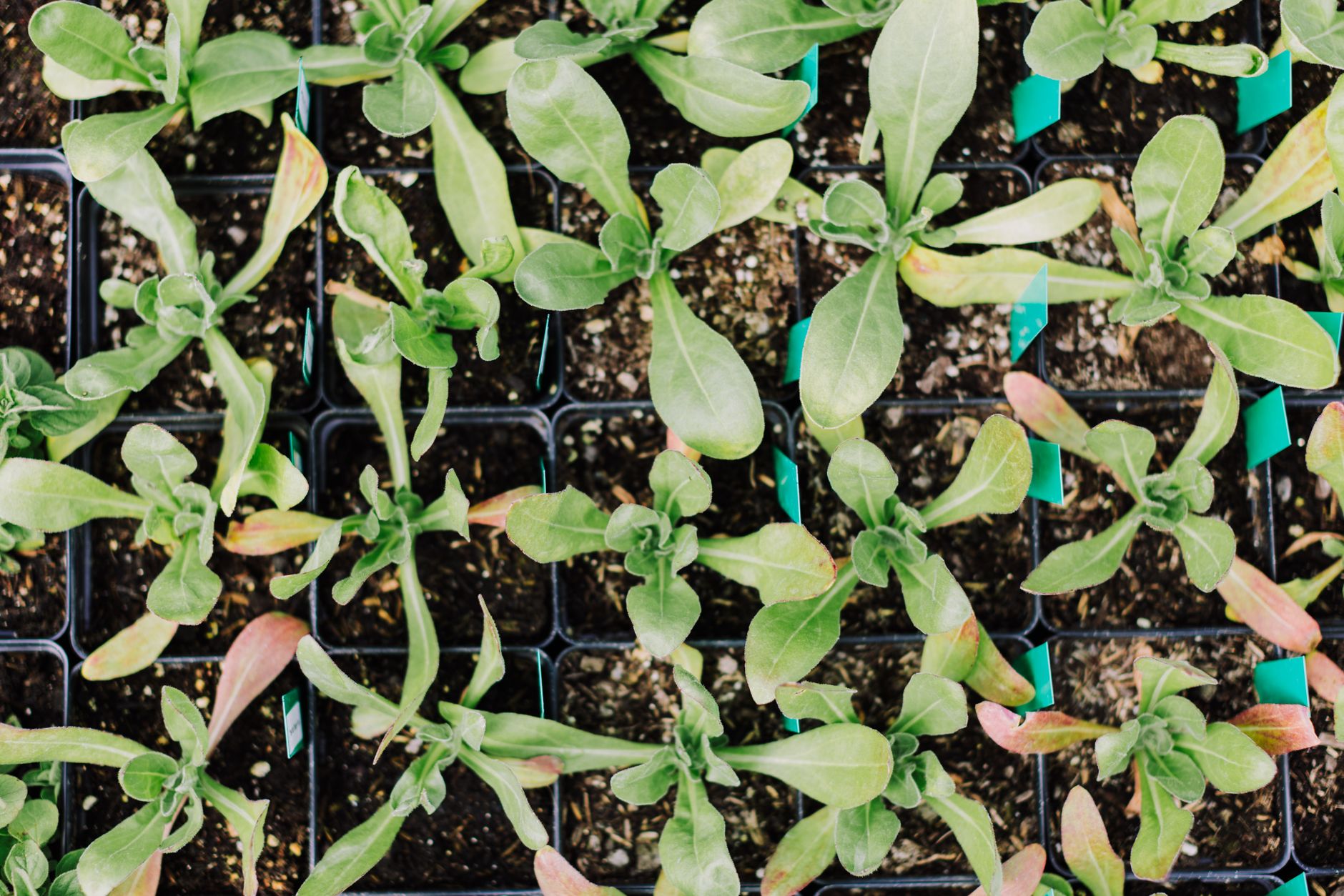
12-16 hours: Seedlings need 12-16 hours of light daily for optimal growth.
Dark period: Seedlings also need a dark period (8-12 hours) for respiration and healthy growth. Continuous light can stress plants.
Use a timer: A simple timer automates your light schedule. Set it for 14-16 hours on and 8-10 hours off.
Consistency: Consistent light schedules produce the best results. A timer ensures reliability.
Adjusting: If seedlings are getting leggy, increase light duration or intensity. If they're getting too much light (yellowing), reduce slightly.
Example schedule: On at 6 AM, off at 10 PM (16 hours on, 8 hours off).
Use the Right Intensity
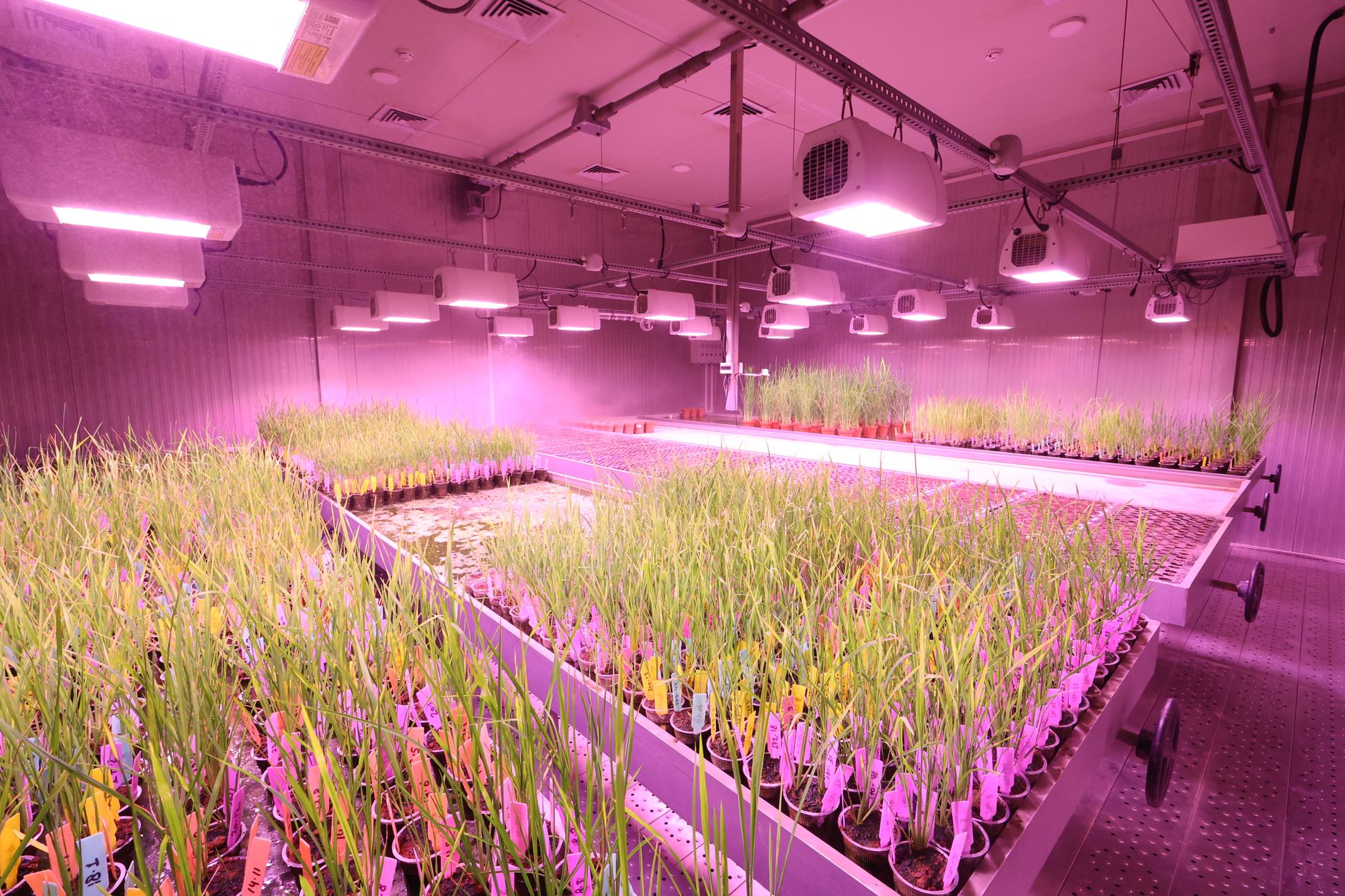
Intensity matters: Light intensity (brightness) is as important as duration. Higher intensity = more energy for growth.
Distance controls intensity: Moving lights closer increases intensity; moving them farther decreases intensity.
Signs of too much light: Seedlings may appear pale, yellow, or have burned leaf tips. Increase distance.
Signs of too little light: Seedlings become leggy, pale, and stretch toward the light. Decrease distance.
The sweet spot: 2-4 inches above seedlings is the general rule for most LED and fluorescent lights.
Adjust as needed: Different light types have different intensities. Watch your seedlings and adjust accordingly.
Avoid Common Grow Light Mistakes
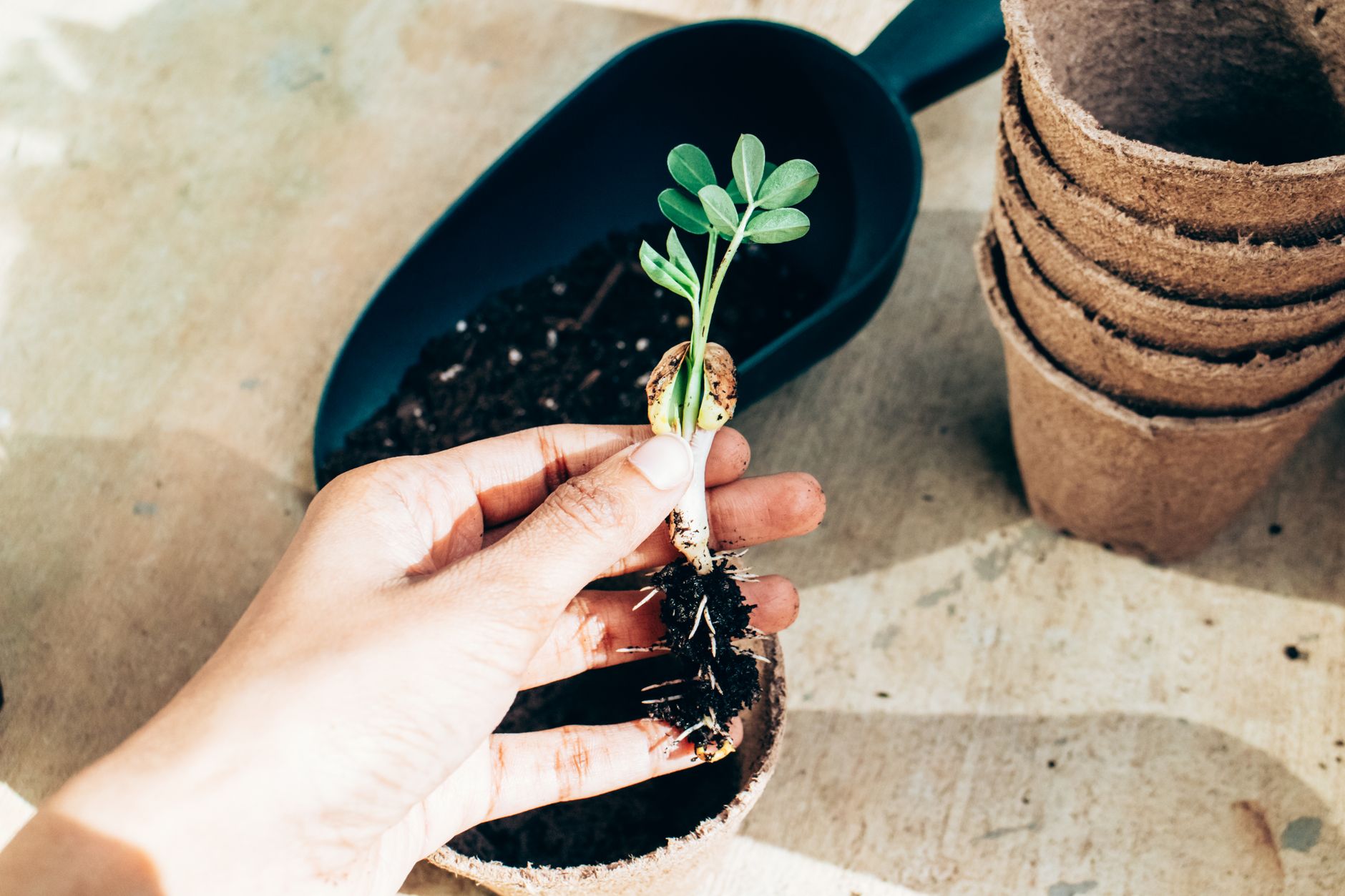
Mistake: Placing lights too far from seedlings. Lights should be 2-4 inches above. Too far = leggy seedlings.
Mistake: Using incandescent bulbs. Too hot, wrong spectrum. Seedlings become leggy and weak.
Mistake: Not using a timer. Inconsistent light schedules stress seedlings. A timer makes it easy.
Mistake: Running lights 24/7. Seedlings need a dark period for healthy growth. 12-16 hours is ideal.
Mistake: Using the wrong spectrum (2700K). This promotes flowering, not seedling growth. Use 6500K (cool white).
Mistake: Not adjusting lights as seedlings grow. Maintain the 2-4 inch distance as plants grow.
Compare Popular Grow Light Options
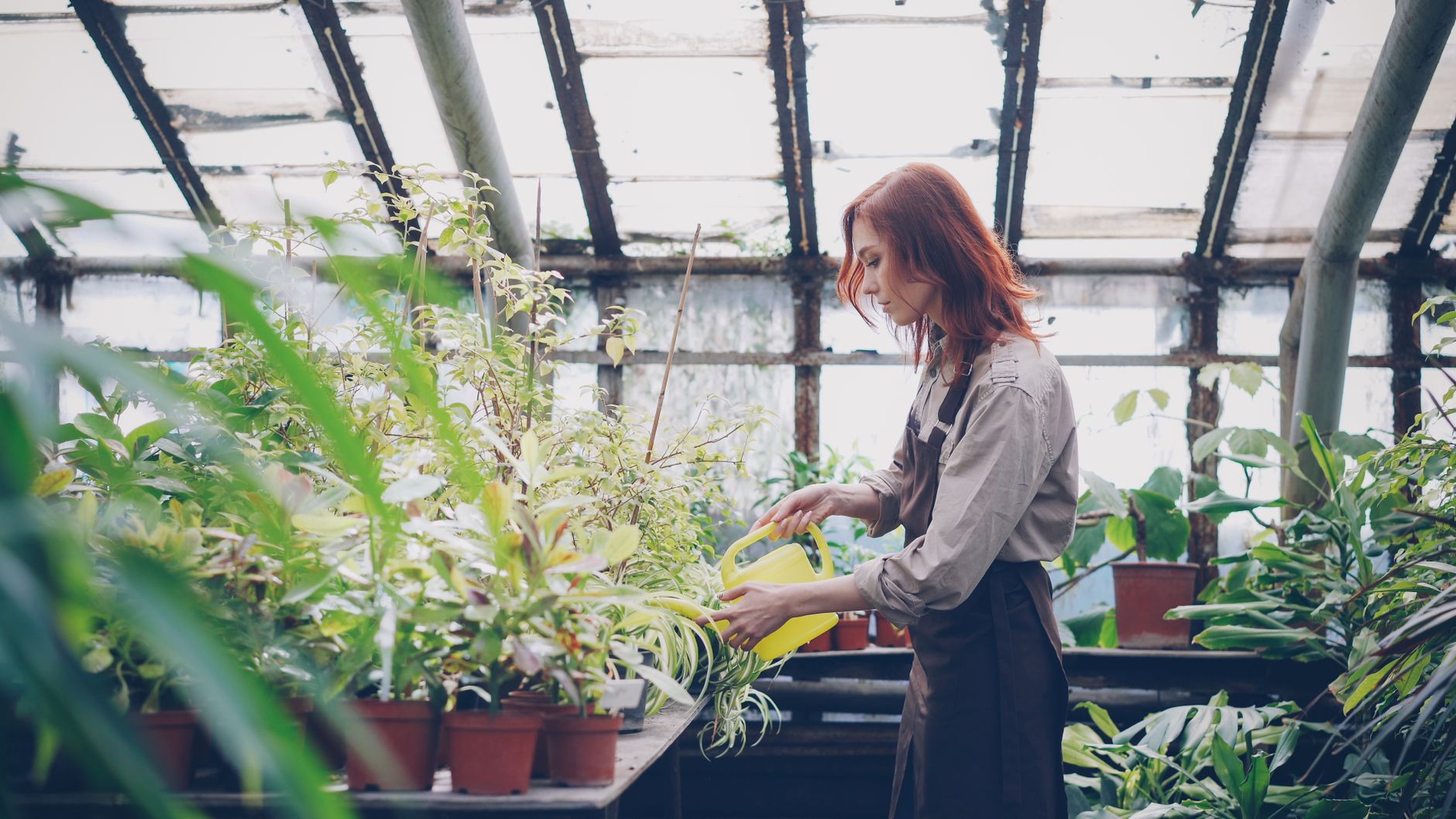
T5 Fluorescent Lights: Affordable, effective, good for small to medium setups. Bulbs last 10,000-20,000 hours. Slightly less energy-efficient than LED.
T8 Shop Lights: Very affordable, widely available. Good for beginners on a budget. Use 6500K bulbs. Less efficient than T5.
LED Shop Lights: Energy-efficient, long-lasting (25,000-50,000 hours). Low heat. Good for small to large setups. More expensive upfront.
Full-Spectrum LED Panels: Excellent for all growth stages. Provide full light spectrum. Most expensive option.
Budget Recommendation: Start with a T5 fluorescent or LED shop light (4 feet, 6500K). Cost-effective and works well.
Premium Recommendation: Full-spectrum LED grow panels—higher upfront cost but best results and energy savings.
Common problems and fixes
| Problem | Likely cause | What to do |
|---|---|---|
| Seedlings are leggy (tall and thin) | Not enough light intensity or lights too far away. | Move lights closer (2-4 inches). Increase light duration to 14-16 hours. Upgrade to brighter lights if needed. |
| Seedlings are pale or yellow | Too much light or nutrient deficiency. | Move lights slightly farther away. Reduce duration. If problem persists, check nutrition. |
| Leaves are curling or have brown edges | Light burn (too much light intensity). | Increase distance between lights and seedlings. Reduce duration slightly. |
| Seedlings are not growing | Too little light or wrong spectrum. | Check light type (should be 6500K). Move lights closer. Increase duration. |
Gardener's checklist
Test what you learned
What color temperature (spectrum) is best for seedlings?
Answer: 6500K (cool white)
How far should grow lights be from seedlings?
Answer: 2-4 inches
How many hours of light do seedlings need daily?
Answer: 12-16 hours
Which type of light should you avoid for seed starting?
Answer: Incandescent
Common questions
Can I use regular LED bulbs for seed starting?
Yes, if they're 6500K (cool white) and bright enough. Regular LED bulbs may not provide enough intensity. Grow lights are specifically designed for plant growth.
Do seedlings need light 24 hours a day?
No. Seedlings need a dark period for healthy growth. 14-16 hours of light and 8-10 hours of darkness is ideal.
How do I know if my seedlings are getting enough light?
Healthy seedlings are short, stocky, and dark green. If they're tall, thin, and pale, they need more light. If they're yellow or have burned tips, they're getting too much.
What's the difference between T5 and T8 fluorescent lights?
T5 lights are thinner and more efficient than T8. T5 produces more light per watt and runs cooler. T8 is cheaper and more widely available.
How long do grow lights last?
LED grow lights last 25,000-50,000 hours (5-10 years of regular use). Fluorescent lights last 10,000-20,000 hours (2-4 years).
Grow lights are essential for starting healthy seedlings indoors. LED or fluorescent lights with 6500K (cool white) spectrum provide the right wavelengths for compact, stocky growth. Position lights 2-4 inches above seedlings and run them 12-16 hours daily with a timer. Adjust the height as seedlings grow to maintain the correct distance. Avoid incandescent bulbs and ensure your setup provides even coverage. With the right grow lights and proper setup, you'll avoid leggy seedlings and grow strong, healthy plants that thrive after transplanting into the garden.
Frequently asked questions
How often should a vegetable garden be watered?
Frequency depends on weather, soil and plant size. Check the soil rather than watering on a rigid schedule.
Is compost enough fertilizer?
Compost improves soil and provides nutrients slowly. Heavy-feeding crops may still need additional feeding.

The Sproutstead Editorial Team
We create clear, practical gardening and homesteading guides designed for real homes and beginner growers.
View author profile →

